Trying to choose between West Floral Park and Floral Park in Santa Ana? It is an easy point of confusion because the two neighborhoods sit side by side, share part of a name, and offer real architectural character. If you are comparing them as a buyer or simply trying to understand what sets them apart, the differences become clearer once you look at boundaries, home styles, lot feel, and market position. Let’s dive in.
Where the Line Is
The simplest way to understand the split is this: Flower Street is the dividing line most people care about. Floral Park is generally the east-side neighborhood, while West Floral Park sits to the west.
Floral Park is the older, formally recognized historic district in north Santa Ana. Its neighborhood association describes the area as running from 17th Street on the south to Riverside Drive on the north, and from Broadway on the east to Flower Street on the west.
West Floral Park is the neighboring west-side pocket. A Santa Ana city record places it north of 17th Street, south of Santiago Creek, east of Flower Street, and west of Bristol Street. That means the distinction is not just local shorthand. It also reflects a different neighborhood identity.
Historic Status Matters
Floral Park has historic-district framing
One of the biggest differences is formal designation. Santa Ana identifies Floral Park as a National Register historic district, which gives it a more established preservation identity.
That historic-district framing can shape how buyers experience the neighborhood. If you are drawn to homes with a strong sense of architectural lineage and a recognized preservation story, Floral Park usually feels more aligned with that goal.
West Floral Park is a neighborhood, not a historic district
West Floral Park has its own identity and active neighborhood association, but the city identifies it as a neighborhood rather than a National Register historic district. For some buyers, that creates a different feel right away.
In practical terms, West Floral Park often appeals to people who want character and community without the same level of formal historic-district framing. That can influence how you think about style, updates, and overall fit.
Architecture Feels Different
Floral Park shows earlier period styles
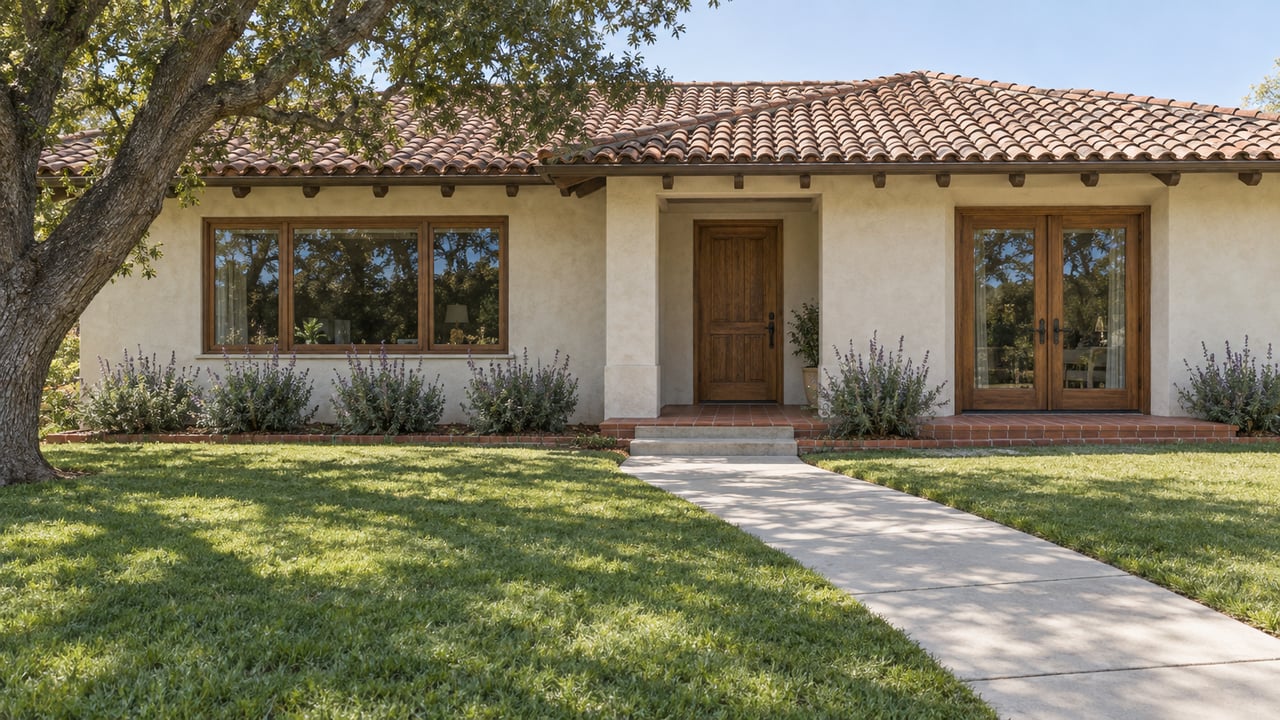
Floral Park is known for a broad mix of earlier architectural styles. State historic documentation describes mostly single-family, mostly single-story homes in styles such as Colonial Revival, Tudor Revival, Mission or Spanish Revival, Mediterranean Revival, French Revival, Storybook, and Chateauesque.
The district also includes some Moderne, Art Deco, Minimal Traditional, Prairie, Queen Anne, and Folk-style homes. If you enjoy variety from one block to the next, Floral Park tends to deliver a more layered visual experience.
West Floral Park leans ranch and postwar
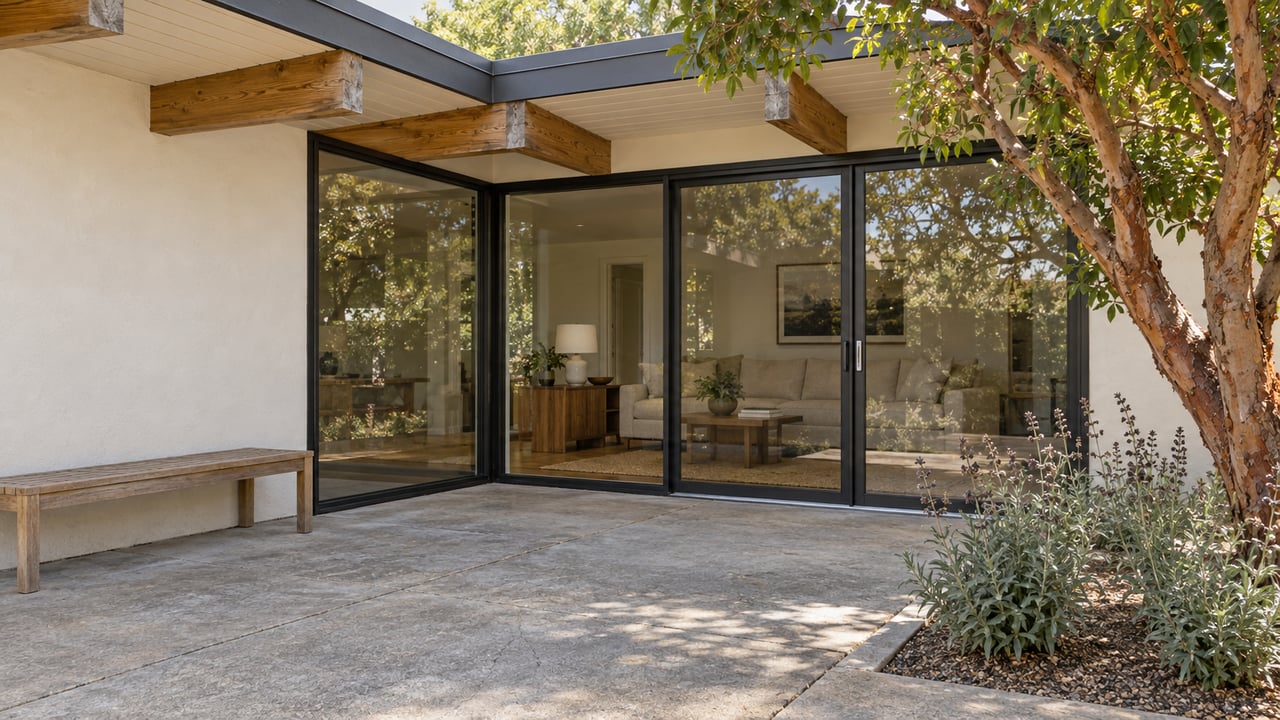
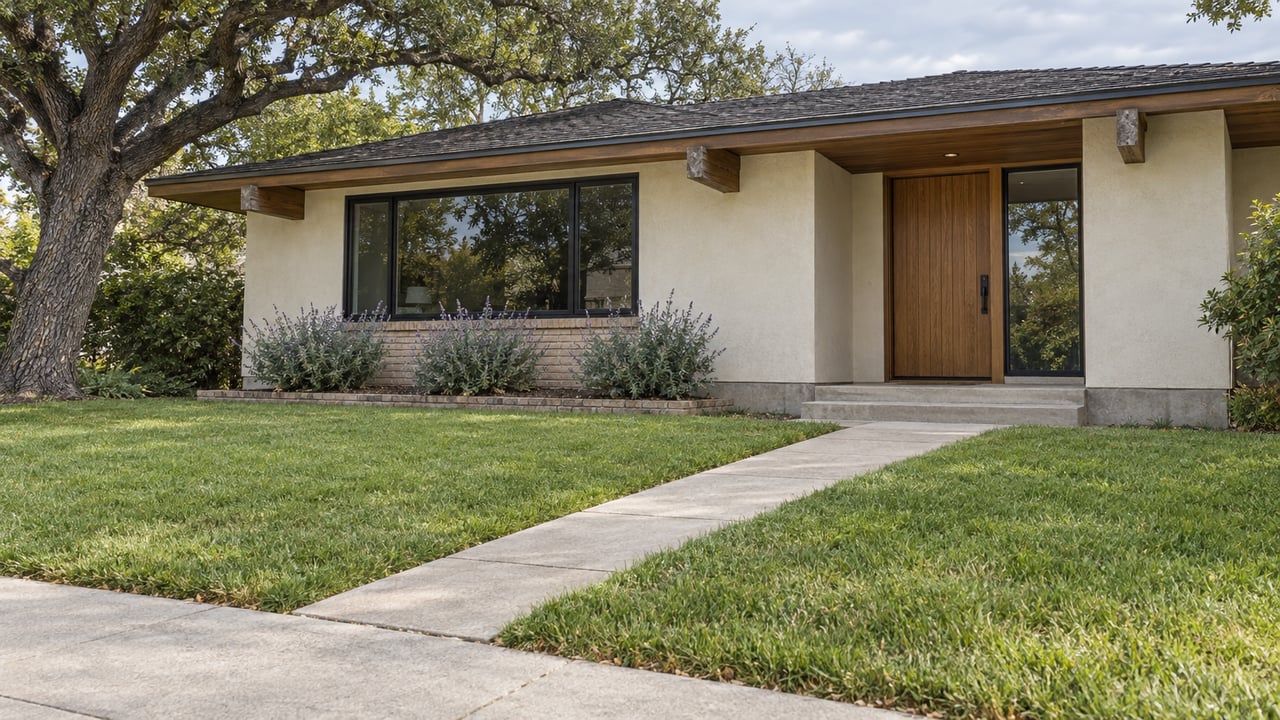
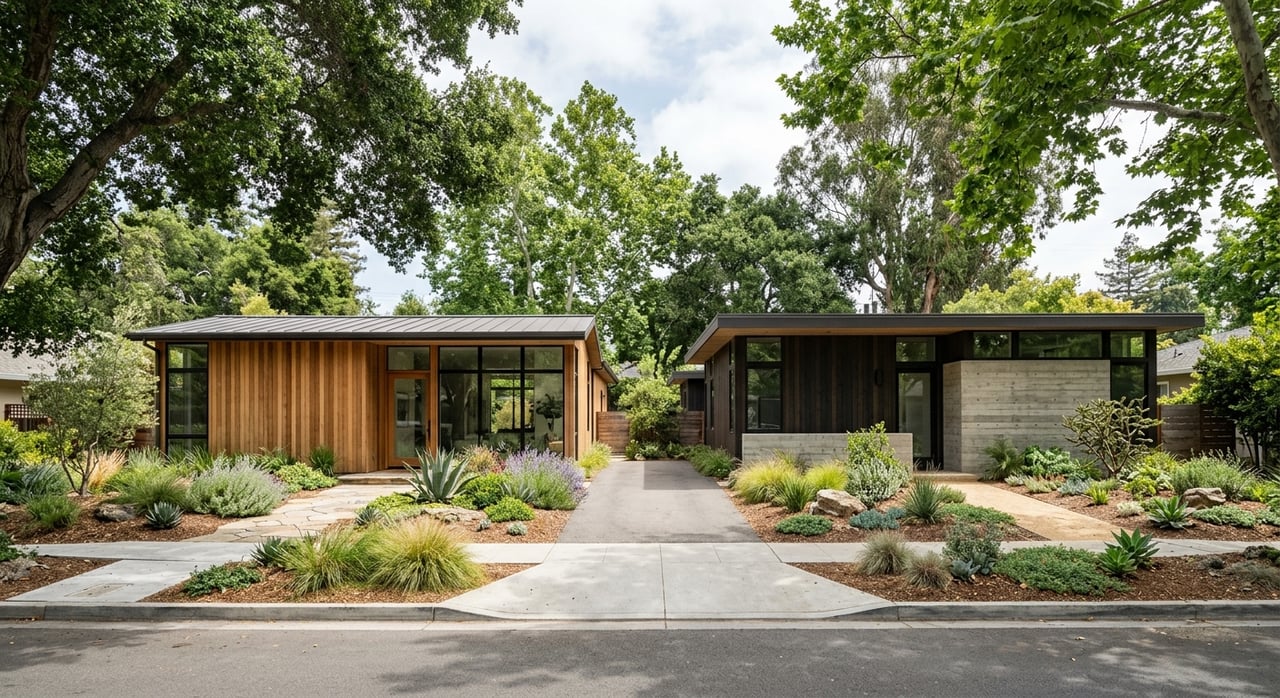
West Floral Park tells a different architectural story. Santa Ana city records describe it as a neighborhood of expansive California Ranch Style houses that developed after 1947, with much of the build-out taking shape in the 1950s and 1960s.
That gives West Floral Park a more horizontal, postwar feel. For design-minded buyers, this often translates into broad rooflines, single-story living, and a more mid-century-adjacent streetscape compared with Floral Park’s earlier revival-era mix.
Streetscape and Visual Character
Floral Park reads like a preserved historic district. The district plan highlights modest uniform setbacks, shallow front lawns, mature street trees, concrete sidewalks, and rear detached garages.
That consistency gives the neighborhood a composed, established look. Even with varied architecture, the streetscape tends to feel cohesive.
West Floral Park feels different in a way many buyers notice right away. Its ranch-era identity creates a lower, wider, more open visual rhythm.
If Floral Park feels like a classic historic district, West Floral Park feels more like a postwar ranch enclave. Neither is better across the board. It depends on the kind of architecture and street presence you want to live with every day.
Lot Size and Outdoor Feel
Floral Park varies by block
Floral Park’s historic nomination notes narrow lots in parts of the neighborhood, along with generous setbacks and detached rear garages in the southern grid. It also notes that some larger two-story homes sit on double lots.
That means your lot experience can vary depending on the block and specific home. Recent sales examples show that range, including homes on 9,240-square-foot and 7,434-square-foot lots.
West Floral Park often feels more spacious
West Floral Park tends to present a more consistently open parcel feel. City records note a few large parcels along Flower Street, and recent sales examples include homes on about 0.27-acre and 0.26-acre lots.
For many buyers, that translates into a stronger sense of horizontal space. If outdoor room, wider setbacks, or a classic ranch-lot feel matter to you, West Floral Park may line up more naturally with that preference.
Price Differences to Know
The latest market snapshot in the research shows a noticeable difference in median sale price. West Floral Park posted a median sale price of $1,215,000, while Floral Park came in at $1.68 million.
What is interesting is that the price per square foot was very close. West Floral Park was listed at $725 per square foot, while Floral Park was $730 per square foot.
That suggests the gap may show up more in total purchase price than in price per foot. In other words, when buyers compare these two neighborhoods, the bigger difference is often the overall dollar amount tied to home type, size, rarity, and Floral Park’s historic-district premium.
Days on market look different too
The same snapshot showed West Floral Park homes taking about 111 days on market in March 2026, with 5 homes sold. Floral Park showed about 35 days on market, with 2 homes sold in the latest month reported.
These are small sample sizes, especially in Floral Park, so they are best viewed as directional. Still, they suggest that buyer demand, inventory rarity, and pricing dynamics may play out differently between the two neighborhoods.
Community Life and Neighborhood Identity
Floral Park has a preservation-minded culture
Floral Park’s association describes a highly social community with more than 600 homes, along with a Home and Garden Tour, holiday events, mixers, clubs, and scholarships for Santa Ana students. The neighborhood presentation is rooted in preservation, tradition, and a strong organized identity.
For buyers who want that kind of formal neighborhood culture, Floral Park often stands out. The historic district story is not just about architecture. It is also part of how the community presents itself.
West Floral Park feels active and grassroots
West Floral Park also has an active neighborhood association, but the tone is a bit different. Its association organizes quarterly meetings in residents’ homes, neighborhood watch, spring clean-up dumpsters, wine nights, progressive dinners, Oktoberfest, Garden Tea, and a 4th of July parade.
Santa Ana’s 2021 community profile lists West Floral Park at about 0.31 square miles with 1,958 residents and about 70.4 percent owner-occupied housing units. Taken together, that supports the idea of a compact residential pocket with strong local participation and a close-knit feel.
Which Neighborhood Fits You Best?
If you are deciding between the two, the clearest answer comes down to what kind of home and neighborhood story you want.
Floral Park may fit you better if you want:
- A formally recognized historic district
- Revival-era architecture and period variety
- A more established preservation narrative
- A neighborhood identity centered on historic character
West Floral Park may fit you better if you want:
- Postwar California Ranch architecture
- A more consistently spacious lot feel
- A mid-century-leaning, horizontal streetscape
- Strong neighborhood activity without the same historic-district framing
For architecture-minded buyers, this is often a very personal choice. Some people are drawn to the romance and variety of a historic district. Others prefer the calmer lines, larger parcels, and renovation potential often associated with postwar ranch homes.
Why This Comparison Matters
At first glance, West Floral Park and Floral Park can sound like versions of the same place. In reality, they offer distinct buyer experiences.
Floral Park brings older architectural styles, recognized historic-district status, and a more preservation-forward identity. West Floral Park offers a neighboring but different experience rooted in ranch-era homes, broader lots, and a community feel that is active but less tied to formal historic designation.
If you are weighing both, it helps to look beyond the shared name and focus on the details that shape daily life: the architecture you want to come home to, the amount of outdoor space you value, and the kind of neighborhood identity that feels most natural to you.
If you want help comparing West Floral Park and Floral Park through the lens of architecture, pricing, and neighborhood fit, connect with Kelly Laule.
FAQs
What is the main difference between West Floral Park and Floral Park in Santa Ana?
- The key difference is that Floral Park is the older east-side historic district, while West Floral Park is the neighboring west-side neighborhood with a postwar ranch-era identity.
Is West Floral Park part of Floral Park in Santa Ana?
- No. They are adjacent neighborhoods that share a similar name, but Flower Street is the dividing line most buyers use to tell them apart.
Are home styles different in West Floral Park and Floral Park?
- Yes. Floral Park is known for revival-era and other early architectural styles, while West Floral Park is primarily associated with California Ranch homes built after 1947.
Are lot sizes larger in West Floral Park than Floral Park?
- In general, West Floral Park tends to feel more consistently spacious, while Floral Park has more variation with smaller historic parcels mixed with some larger lots.
Is Floral Park more expensive than West Floral Park?
- Based on the market snapshot in the research, Floral Park had a higher median sale price than West Floral Park, even though the price per square foot was very similar.
Which neighborhood is better for a historic-home buyer in Santa Ana?
- If your priority is historic designation, period architecture, and a preservation-focused neighborhood identity, Floral Park is usually the stronger match.
Which neighborhood is better for a ranch-style home in Santa Ana?
- If you want a postwar California Ranch house and a more horizontal neighborhood feel, West Floral Park is usually the better fit.