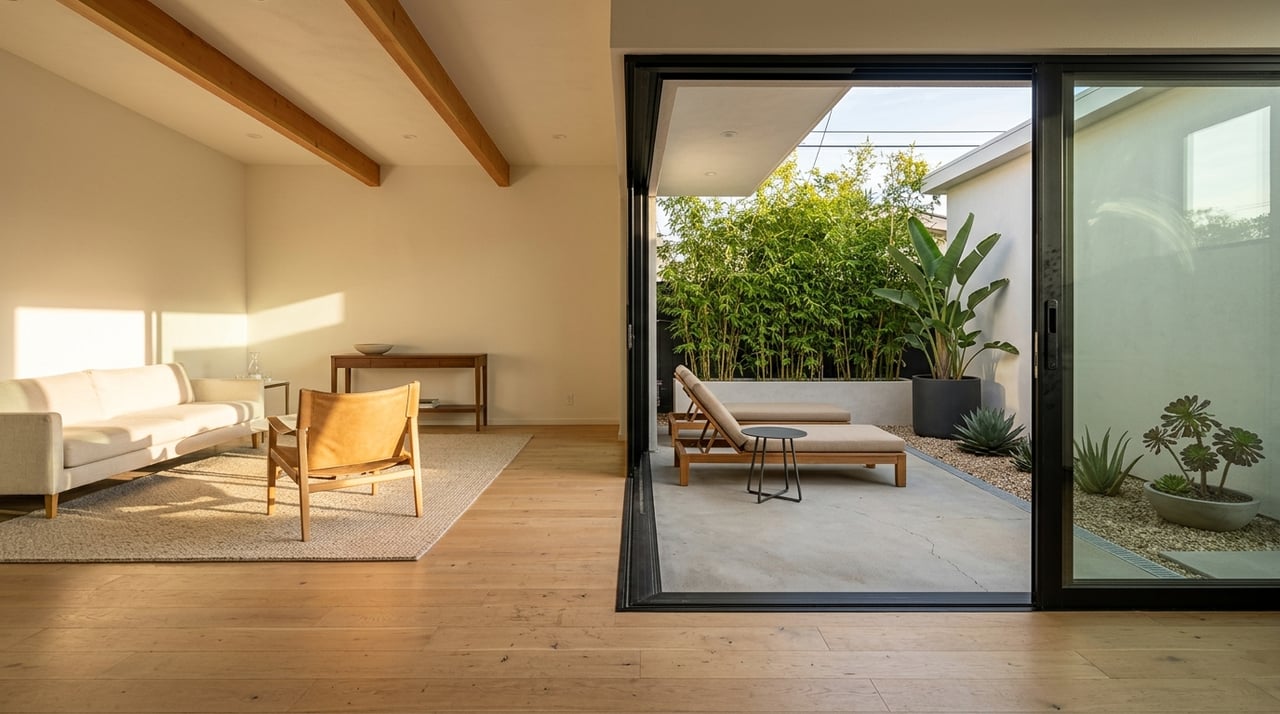
Wondering how to sell your Eastside Costa Mesa home without making it feel overworked or generic? In a neighborhood where buyers often notice architecture, layout, lot use, and finish quality right away, style is not just a nice extra. It is part of how your home tells its story, both online and in person. This guide will show you how to prepare, present, and price your home with confidence so it stands out for the right reasons. Let’s dive in.
Why style matters in Eastside Costa Mesa
Eastside Costa Mesa sits in a built-out part of the city where most new single-family construction is infill, and many homes were built before city incorporation. That creates a mix of older houses, updated properties, and newer small-lot homes, all competing in a premium submarket. In practice, buyers are often comparing not just square footage, but also design choices, flow, and how well a home uses its lot.
The pricing gap between Eastside and Costa Mesa overall makes that even more important. Recent market data shows Eastside Costa Mesa with a median listing price of $2,497,500, compared with about $1,497,000 citywide. Redfin also reports an Eastside median sale price of $2,129,209, 31 median days on market, a 99.0% sale-to-list ratio, and 27.4% of homes selling above list.
That does not mean every home will command a premium on location alone. It means buyers are willing to pay for homes that feel well-positioned, well-presented, and appropriately priced. In a neighborhood with strong visual identity, style supports value.
Start with smart pre-listing prep
If your sale is only a few months away, you likely do not need a full remodel. The most supported and practical pre-listing steps are simpler: decluttering, deep cleaning, depersonalizing, minor repairs, paint touch-ups, carpet cleaning, and landscaping cleanup. These updates can make a big difference in both listing photos and in-person showings.
For Eastside homes, simple presentation often works better than trying to do too much. Older homes and narrower infill lots usually show best when sight lines are clear and the rooms feel cohesive. Buyers should be able to notice the architecture and layout without visual distractions getting in the way.
Think of prep as editing, not erasing. You want your home to feel calm, cared for, and easy to understand. That is especially important in a design-aware market where buyers may be comparing details room by room.
Focus on the highest-impact fixes
Before you spend on decorative upgrades, handle the basics that show up immediately in photos and walkthroughs:
- Declutter shelves, counters, and floors
- Schedule a whole-home deep clean
- Touch up paint where needed
- Repair small visible issues
- Clean grout, carpets, and other worn surfaces
- Refresh landscaping and tidy the exterior
- Remove pets during showings when possible
These are not flashy changes, but they help your home read as polished and move-in ready. In many cases, that is exactly what creates stronger first impressions.
Stage for photos first
If you only remember one thing, make it this: styling should happen before the photo shoot, not after. NAR found that photos were much more or more important to clients for 89% of sellers’ agents. Since many buyers screen homes online first, your listing photos are often your first showing.
That is why staging should support photography. The goal is not to fill every room. The goal is to create balance, clean lines, and a visual flow that helps buyers understand the space at a glance.
Even if your home is already furnished, a professional stager can still help. They may recommend removing pieces, adjusting scale, simplifying accessories, or reworking a room so it reads better on camera. In a style-conscious area like Eastside, those edits can make the home feel more intentional.
Stage these rooms first
According to NAR, the rooms staged most often are:
- Living room
- Kitchen
- Primary bedroom
- Dining room
- Bathroom
If your budget is limited, start there. These rooms tend to shape how buyers feel about the home overall. When those spaces feel clean, cohesive, and well-lit, the rest of the property usually benefits too.
Use video when the home has a story
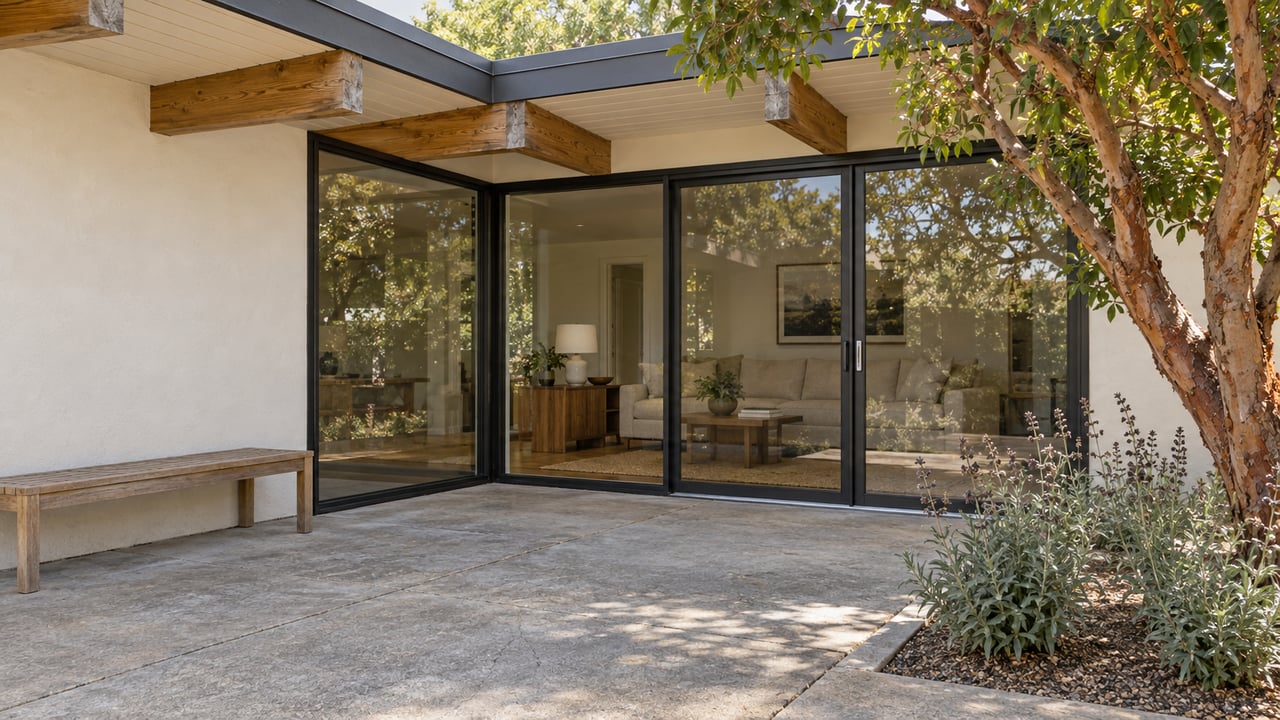
Photos do the heavy lifting, but video can add value when your home has flow, character, or indoor-outdoor connections that are hard to capture in still images. That can be especially true in Eastside Costa Mesa, where architecture, natural light, and lot utility often matter to buyers.
NAR reports that buyers typically view more homes virtually than in person, with a median expectation of 12 viewed virtually and 7 viewed in person. That helps explain why high-quality visual marketing matters. A thoughtful video tour can help a buyer understand the sequence of spaces before they ever step through the door.
Virtual staging can also play a role, especially for vacant rooms, but it works best as a supplement rather than a replacement for real preparation. If a home is empty, selective virtual staging may help buyers visualize use. Still, actual decluttering, repair work, and staging choices usually have more impact.
Follow the right order
For the strongest launch, the sequence should be:
- Declutter and depersonalize
- Complete minor repairs and cleaning
- Stage key spaces
- Photograph and film the home
- Bring the listing to market with polished visuals
This order helps your marketing assets reflect the home at its best. Last-minute changes rarely create the same consistency.
Price by property type, not just zip code
Eastside Costa Mesa is a premium pocket, but pricing still needs to match the specific kind of home you are selling. Buyers look closely at condition, design, storage, parking, and outdoor usability. A thoughtful pricing strategy should reflect the actual product, not just the neighborhood name.
Detached homes and older bungalows
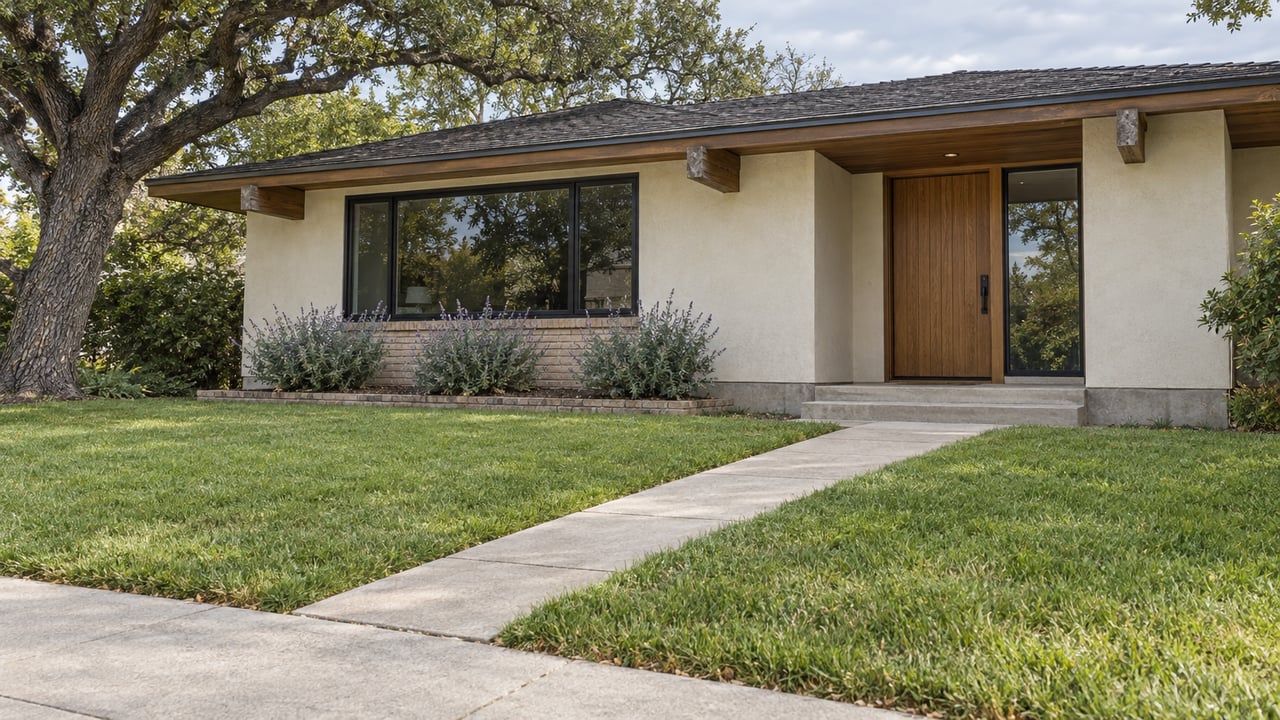
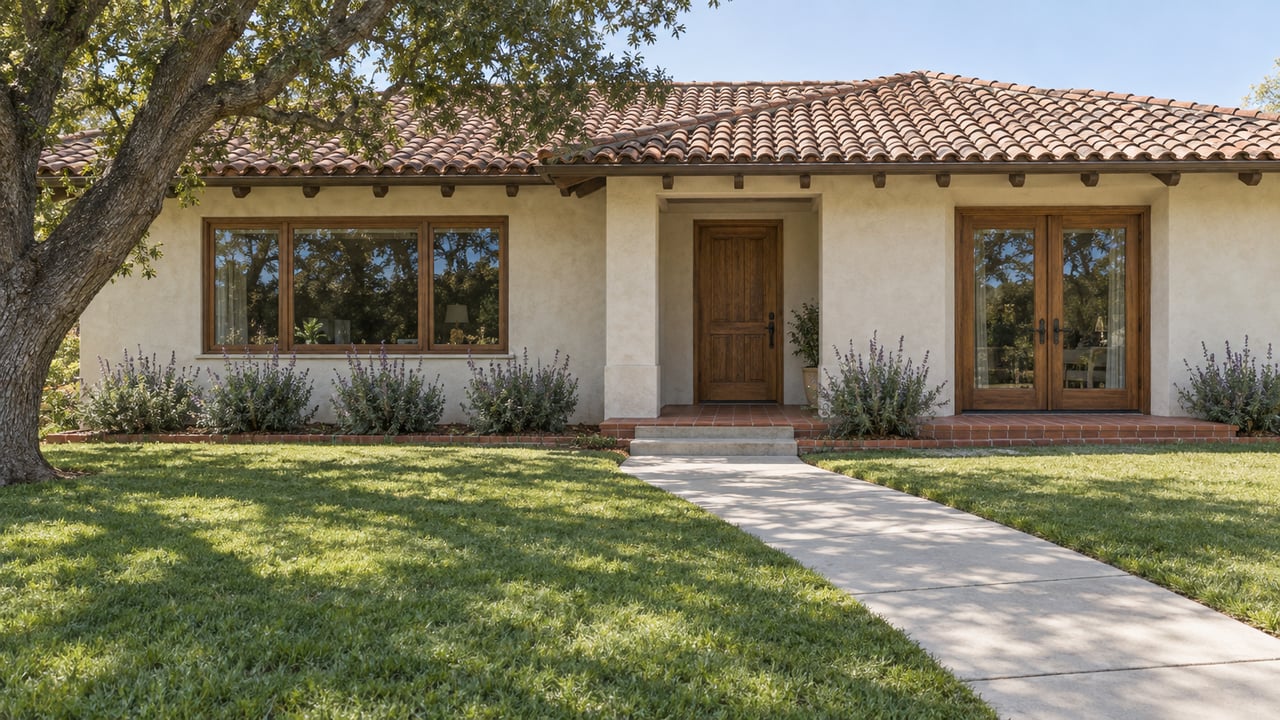
Charm can absolutely be an asset, especially in older Eastside homes. But charm works best when it is paired with strong presentation and realistic pricing. Buyers may pay for character, yet they will still compare condition, updates, and lot function against other available options.
If your home is older, avoid pricing it like a newer build just because it has personality. Instead, position it around what it truly offers: architectural appeal, usable outdoor areas, quality updates, and a clean, welcoming presentation.
Townhomes and condos
Attached homes should be priced against attached comparables, not detached houses nearby. In Costa Mesa, multi-family housing represents a meaningful part of the local housing stock, so buyers in this segment are active and informed. They often pay close attention to maintenance level, storage, parking, HOA context, and how the home photographs.
In a market where average homes can still sell about 1% below list, presentation becomes a real competitive advantage. A clean, bright, well-edited townhome or condo often performs better than one priced as if it were a detached single-family home.
Newer infill and small-lot homes
For newer infill homes, the pricing conversation is different. These properties may benefit from newer systems, modern lines, and lower-maintenance appeal. Your marketing should make that distinction clear so buyers understand why the home belongs in its own comp set.
This is where style and pricing should work together. If the design is contemporary and the finishes are sharp, your listing should communicate that clearly through staging, photography, and copy.
How much prep is enough?
A common question is whether you need to do everything before listing. Usually, the answer is no. The goal is not perfection. The goal is to remove obvious distractions and highlight what buyers are already likely to value.
If your timeline is short, prioritize tasks that improve cleanliness, light, and visual clarity. Small updates like paint touch-ups, cleaned floors, tidy landscaping, and minor repairs often deliver more value than ambitious projects that delay your listing.
NAR survey findings also support the idea that staging can influence buyer perception, with respondents commonly reporting reduced time on market or increased perceived buyer value in the 1% to 10% range. Those are not guarantees, but they do show why thoughtful prep is worth considering.
Selling with style means selling with intention
In Eastside Costa Mesa, style is not about chasing trends. It is about presenting your home in a way that feels true to the property and clear to the buyer. When your preparation, visuals, and pricing all align, the home feels easier to understand and easier to remember.
That is especially important in a premium submarket where buyers are often comparing details closely. Clean lines, repaired finishes, strong photos, and a pricing strategy built around your actual property type can make a meaningful difference. Style, in this context, is really clarity.
If you are thinking about selling and want a design-aware approach to prep, staging, and marketing, Kelly Laule can help you shape a presentation strategy that fits your home and the Eastside Costa Mesa market.
FAQs
How much prep should you do before listing a home in Eastside Costa Mesa?
- Focus first on decluttering, deep cleaning, minor repairs, paint touch-ups, carpet or grout cleaning, and exterior cleanup. These are the most practical high-impact steps supported by the research.
Which rooms should you stage first when selling in Eastside Costa Mesa?
- Start with the living room, kitchen, primary bedroom, dining room, and bathroom. These rooms are staged most often and tend to influence buyer impressions the most.
Should you hire a stager if your Eastside Costa Mesa home is already furnished?
- Yes, it can still help. A stager may simplify the layout, remove extra pieces, and improve how rooms read in listing photos and showings.
When does video add value for an Eastside Costa Mesa listing?
- Video is especially helpful when your home has a strong layout, natural light, architectural character, or indoor-outdoor flow that still photos may not fully show.
How should an Eastside Costa Mesa home be priced compared with Costa Mesa overall?
- Eastside is a premium submarket, but pricing should still depend on your property type, condition, lot utility, and quality of updates rather than citywide averages alone.