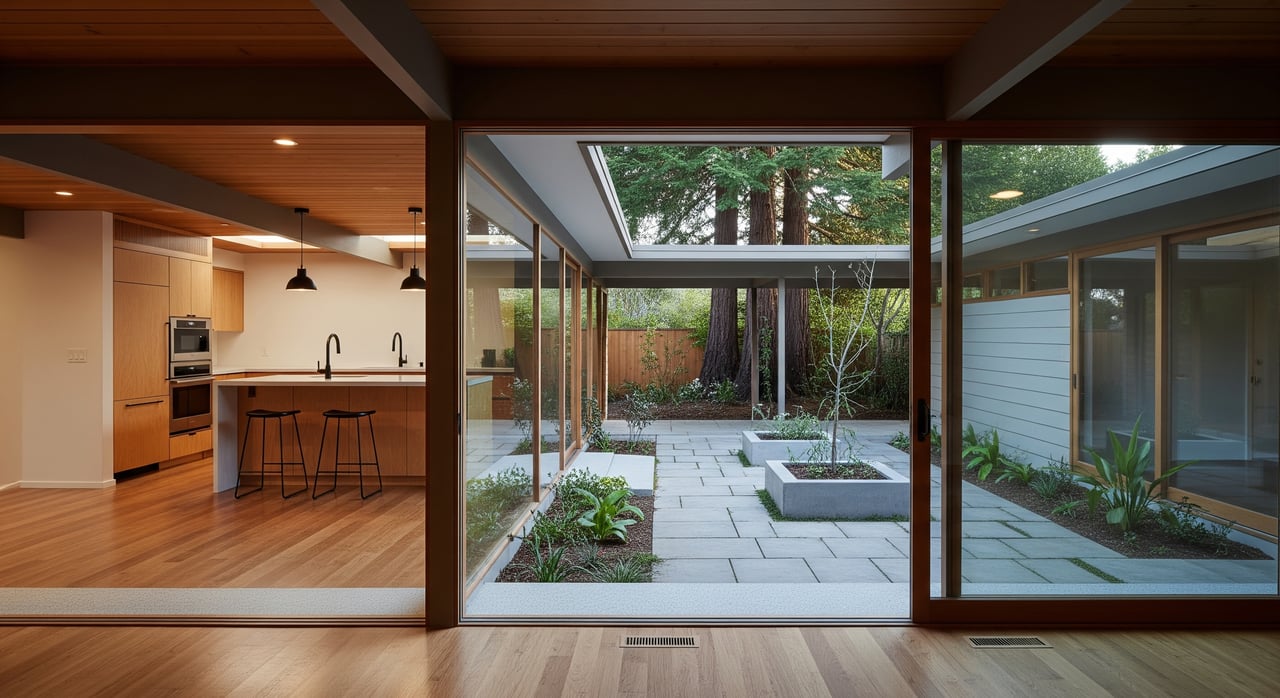
Craving that glassy, indoor‑outdoor feel Eichlers are known for, but unsure which upgrades keep the soul intact? You are not alone. In South San Mateo, buyers love the clean lines and open plans, yet comfort and energy performance also matter. This guide shows you how to spot authentic Eichler hallmarks and which improvements protect value, livability, and that unmistakable mid‑century character. Let’s dive in.
What makes an Eichler an Eichler
Structure and roof
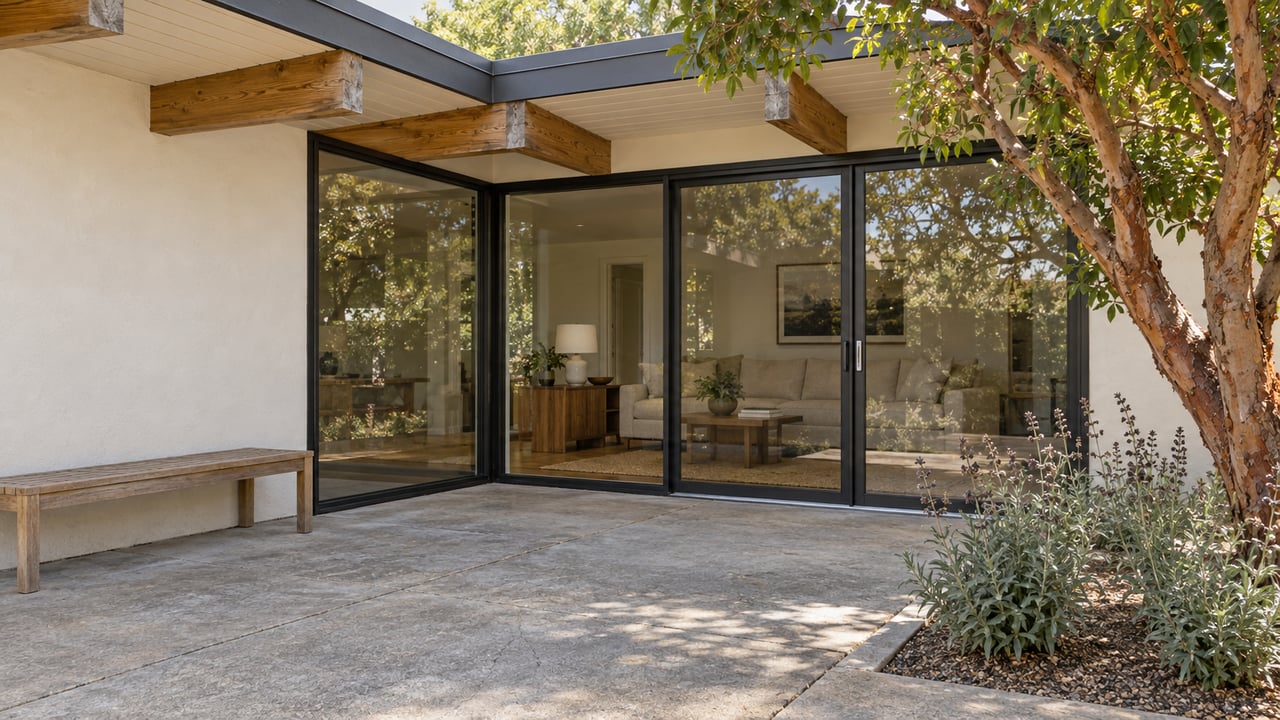
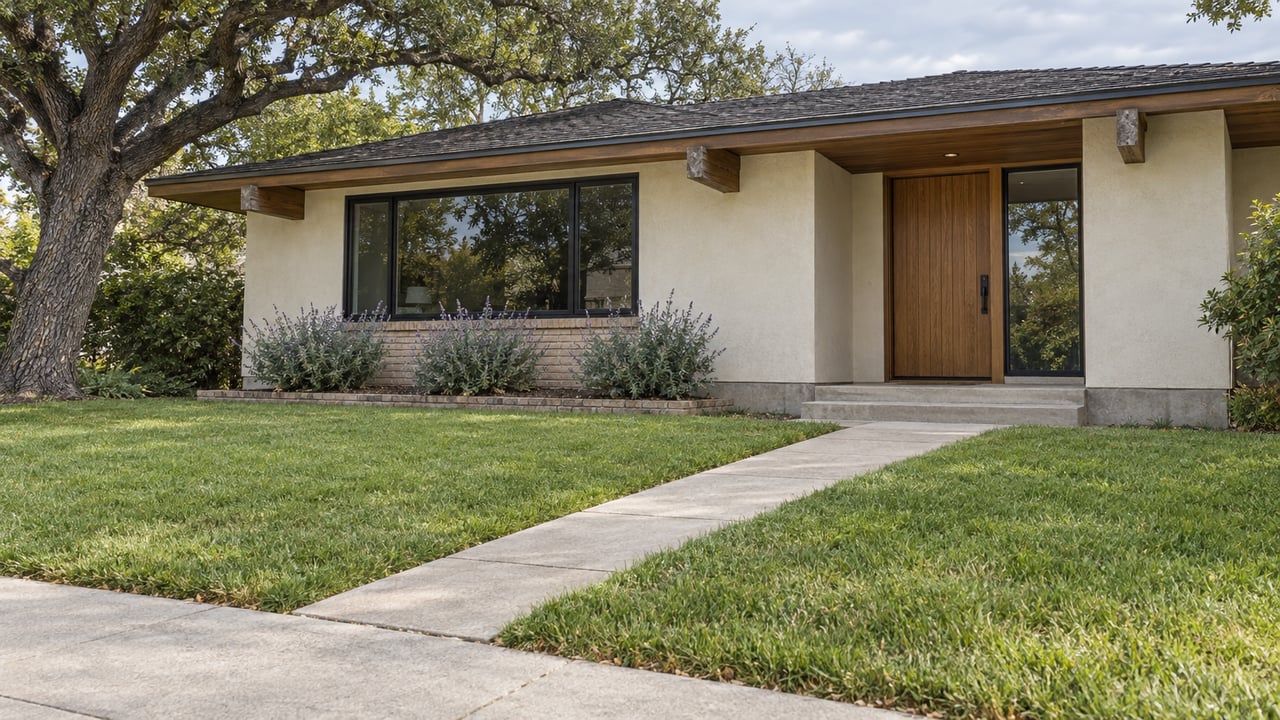
Eichlers were designed between about 1949 and 1966 to deliver affordable modernism. You will see post and beam construction that allows wide, open rooms with fewer interior load walls. Roofs are low‑pitched or flat with generous overhangs. Original roofing was often a built‑up system suited to low slopes, so keeping that low profile is key to the look.
Slab and radiant heat
Most Eichlers sit on a concrete slab‑on‑grade with no conventional crawlspace. Many were built with in‑slab radiant heating, originally copper tubing in the slab for gentle, even warmth. This system affects almost every upgrade decision because cutting into the slab can be costly and risky.
Glass and daylight
Floor‑to‑ceiling glass, big sliders, and sometimes an interior atrium create a strong indoor‑outdoor connection. Some models add clerestory or ribbon windows for extra light. These glass expanses define the experience, so proportion and sightlines matter when replacing anything.
Interior finishes
You will often find natural wood paneling, exposed beams and ceilings, and simple flat‑front cabinetry. Trim is minimal with a horizontal emphasis. Where original finishes remain in good condition, they tend to be prized by design‑minded buyers.
Landscape and site
Eichler layouts lean on patios, privacy screens, and simple, modern plantings that flow from inside to out. Atriums are a signature; when they remain open and well detailed, they become the home’s luminous heart.
Alterations to watch
- Enclosed or removed atriums.
- Added gable or heavy pitched roof overlays that break the original lines.
- Full‑height partitions that carve up open living areas.
- Replacing full‑height glass with small, unrelated windows.
South San Mateo climate and care
South San Mateo benefits from a Mediterranean climate with cool summers, periodic coastal fog, and winter rains. Moisture management should top your list. Protect exposed wood, maintain durable low‑slope roofing, and keep grading and drainage tuned so water moves away from the slab. These basics preserve both the structure and the look.
Permitting is also important. In San Mateo County and the City of San Mateo, you typically need permits for structural changes, roof replacement, window replacements, electrical or HVAC work, and certain exterior alterations. Many neighborhoods also value preservation, so early planning helps you align upgrades with local expectations.
Inspections and due diligence
Eichlers reward specialized expertise. Before you buy, or before you list, bring in professionals who understand slab radiant, low‑slope roofs, and large glass systems. Ask for records and permits. A thorough checklist will save you time and surprises.
What to check
- Roof condition and drainage. Look for ponding on low‑slope roofs, failing membranes, or flashing issues.
- Perimeter grading and site drainage. Keep soil and vegetation off siding and away from the slab.
- Slab and radiant status. Confirm operation, check for past slab repairs, and document any leaks or decommissioned tubing.
- Windows and doors. Inspect sliders and glass surrounds for rot, failed seals, and water at thresholds.
- Wood and termites. Examine exposed beams, trim, and siding for decay where moisture can linger.
- Electrical and plumbing. Many originals are undersized for today’s loads; panels and circuits may need upgrades. Older supply lines may be near end of life.
- Insulation and energy performance. Original walls and roofs may have limited insulation; know what is there.
- Cooling and mechanicals. Many Eichlers were built without central cooling. Note any window units or mini‑splits and their placement.
- Historic materials. Redwood siding and interior wood paneling should be assessed carefully so replacements match scale and texture.
Sympathetic upgrades that fit Eichlers
The goal is to improve comfort and efficiency while respecting sightlines, proportions, and material honesty. Choose approaches that are reversible when possible and that preserve openness and glassy connections.
Heating and cooling
- Choose ductless heat pump mini‑splits for efficient heating and cooling with minimal visual impact. They avoid bulky ducts that interfere with exposed beams and ceiling planes.
- If the radiant slab works, keep it for winter comfort. If not, leave the slab intact and rely on mini‑splits rather than cutting into the floor for new in‑slab systems.
Windows and glass
- Upgrade to insulated glass while matching original thin profiles and mullion rhythms. Custom slim‑frame double glazing can preserve the look.
- Replace aging sliders with new units that keep floor‑to‑ceiling proportions and panel sizes. Pay close attention to thresholds and weatherproofing.
- If you have an atrium, restore glazing and weather‑tight details that protect the open‑sky feeling.
Roofing and drainage
- Re‑roof with a durable membrane compatible with the low pitch and wide overhangs. Keep the original roofline.
- Add or refine scuppers, internal drains, or discreet gutters so water moves off the roof and away from the slab.
- If you plan solar, coordinate layout during roofing to minimize visibility from the street side.
Insulation and envelope
- Add cavity insulation where walls allow, and improve roof insulation if the assembly permits.
- If replacing siding, consider adding continuous exterior insulation behind new cladding, using breathable layers that do not trap moisture against wood.
Kitchens and baths
- Keep the minimalist language: flat‑front cabinets, integrated storage, and clean lines.
- Choose panel‑ready or visually quiet appliances and avoid ornate hardware.
- Use period‑sensitive tile sizes and restrained palettes or modern materials detailed with simplicity. Retain or replicate built‑ins when possible.
Floors and finishes
- Restore original wood flooring where present or select boards with similar widths and grain.
- Polished concrete or terrazzo can complement the slab if you are refreshing floors.
- Clean and refinish exposed beams and ceilings instead of covering them with drywall.
Atriums and landscaping
- Repair atrium waterproofing and drains, then re‑establish light and plantings. The atrium is often the emotional center of the home.
- Choose sculptural, drought‑tolerant plants and simple paving that suit the Bay Area climate and mid‑century sensibility.
Electrical, lighting, and tech
- Upgrade electrical panels and add dedicated circuits for modern loads. Conceal new wiring in existing chases when possible.
- Favor simple recessed or linear fixtures that support horizontal lines. Use pendants sparingly and at restrained scales.
- Add smart controls and discreet AV wiring to avoid surface raceways.
Solar and sustainability
- Solar works well on low‑slope roofs when placed on less visible planes. Consider battery storage to improve resilience.
- Pair solar with envelope upgrades to reduce load without altering the architecture.
Value and resale in San Mateo County
Design‑minded buyers in the Bay Area often pay premiums for authentic Eichler features and sympathetic updates. Restored atriums, intact beams and ceilings, and slim‑profile glazing tend to resonate with this audience. Conversely, heavy alterations that disrupt open plans, rooflines, or glass proportions can narrow your buyer pool and reduce appeal to those seeking true mid‑century modern living.
If you prioritize water management, a sound roof, and well‑executed envelope upgrades, you help protect the asset and the architecture. Matching proportions and materials where you replace elements preserves both livability and long‑term value.
Seller prep that shows well
- Fix roof and drainage issues first. Clear gutters, correct grading, and address signs of moisture.
- Refresh visible character: refinish wood ceilings or paneling, restore the atrium experience, and replace failing sliders with proportion‑correct units.
- Document all work and permits. Provide a neat packet with roof age, radiant status, electrical upgrades, and any window or siding replacements.
- Consider a clean, mid‑century‑appropriate kitchen refresh and a quiet mini‑split installation. Small, well‑chosen interventions can signal care and respect for the home.
Buyer steps that reduce risk
- Hire an inspector and contractor with Eichler experience.
- Request plans, permits, and repair records from the seller.
- Get written estimates for large items such as roofing, glass systems, and radiant repairs.
- Confirm that planned upgrades can happen without undercutting the architecture you love.
Next steps
Whether you are buying or preparing to sell in South San Mateo, the right plan balances authenticity with comfort. Start with roof and moisture management, assess radiant and glazing, then phase upgrades that elevate performance without altering the home’s spirit. If you want a design‑aware partner to help you prioritize improvements and present the property beautifully, connect with Kelly Laule. Talk with a Local Agent.
FAQs
What defines an authentic Eichler home in San Mateo?
- Look for post and beam construction, low‑slope roofs with wide overhangs, slab‑on‑grade with possible radiant heat, full‑height glass or sliders, and sometimes an interior atrium.
Which upgrades add comfort without hurting value?
- Ductless mini‑splits, slim‑profile insulated glass, durable low‑slope roofing, discreet drainage improvements, and simple, flat‑front kitchen updates keep character intact while improving livability.
How should I evaluate an Eichler roof and drainage?
- Check the membrane condition, ponding on low slopes, and flashing, then confirm grading and downspouts move water away from the slab and siding.
What are the risks with radiant slab heating?
- Original in‑slab systems can be costly to repair. If functional, maintain them; if not, consider mini‑splits rather than cutting into the slab for replacement tubing.
Do I need special contractors for an Eichler renovation?
- Yes. Teams familiar with slabs, low‑slope roofs, large glass, and exposed wood details deliver better results and protect the home’s proportions and materials.
Are permits required for common Eichler upgrades in San Mateo?
- Structural changes, roof or window replacements, electrical or HVAC work, and some exterior alterations typically require permits. Plan ahead and keep records for resale.