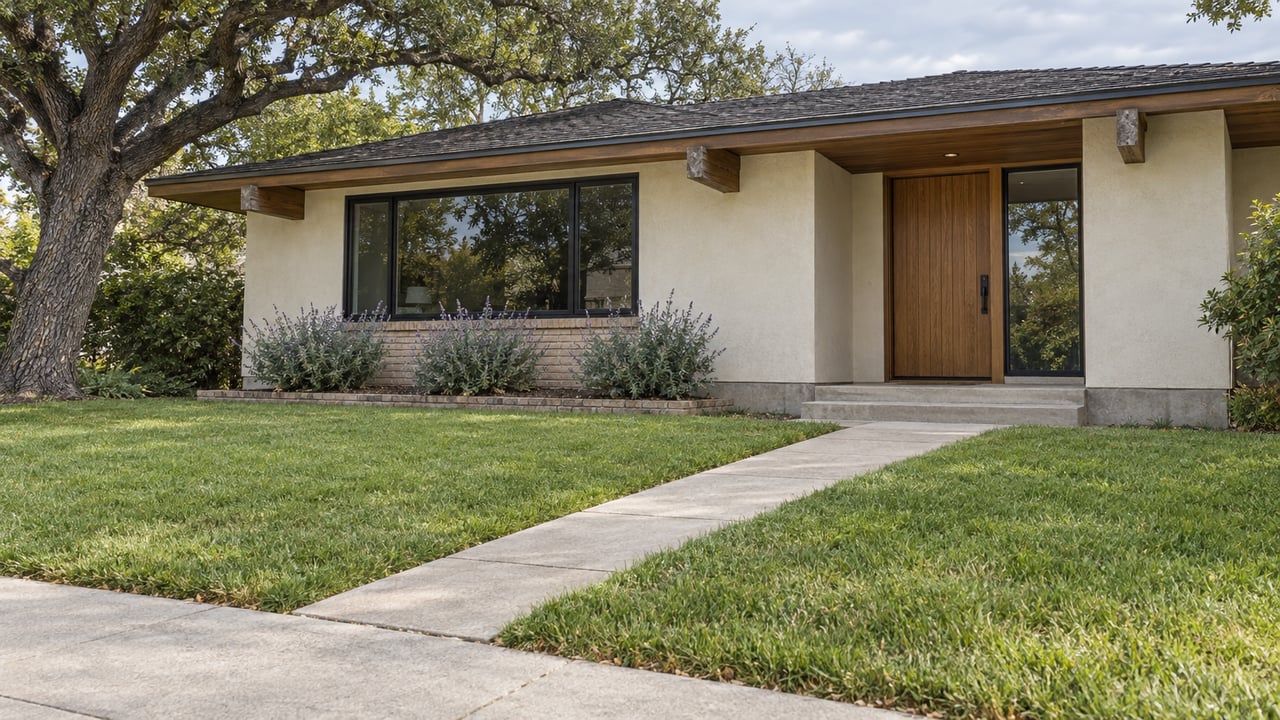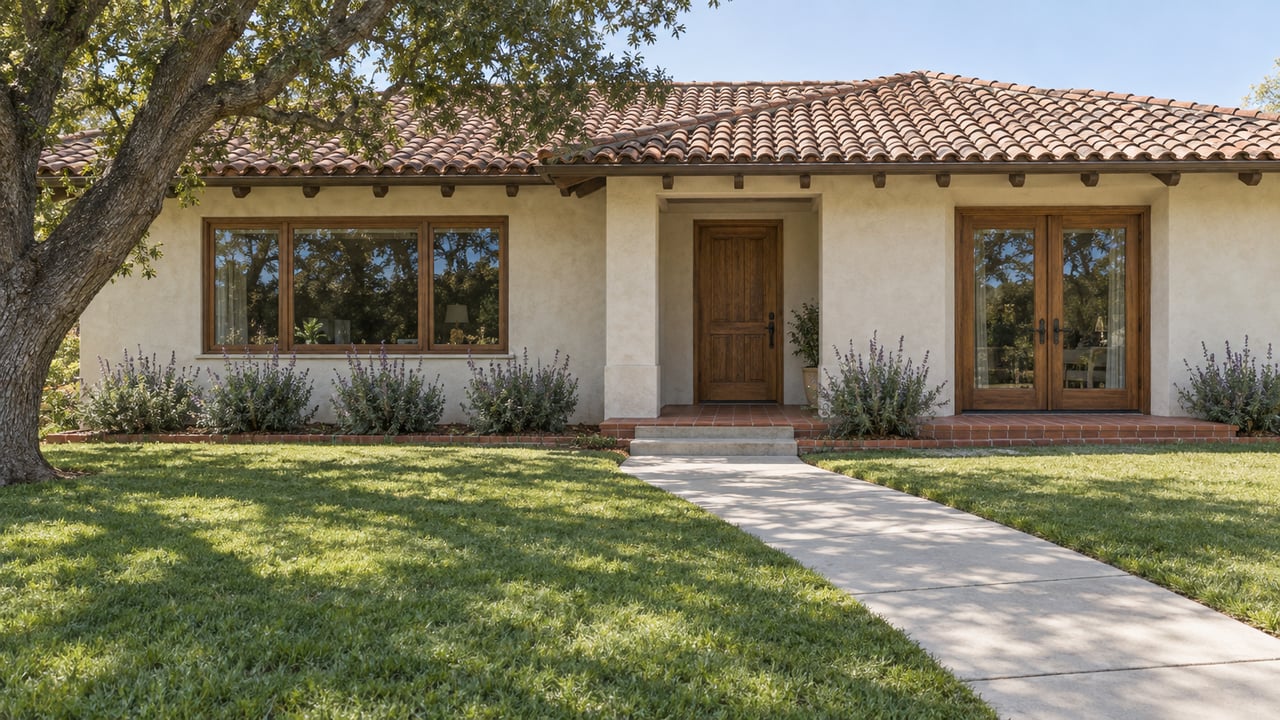
Why People Fall in Love With Midcentury Modern Homes (and Never Quite Recover)
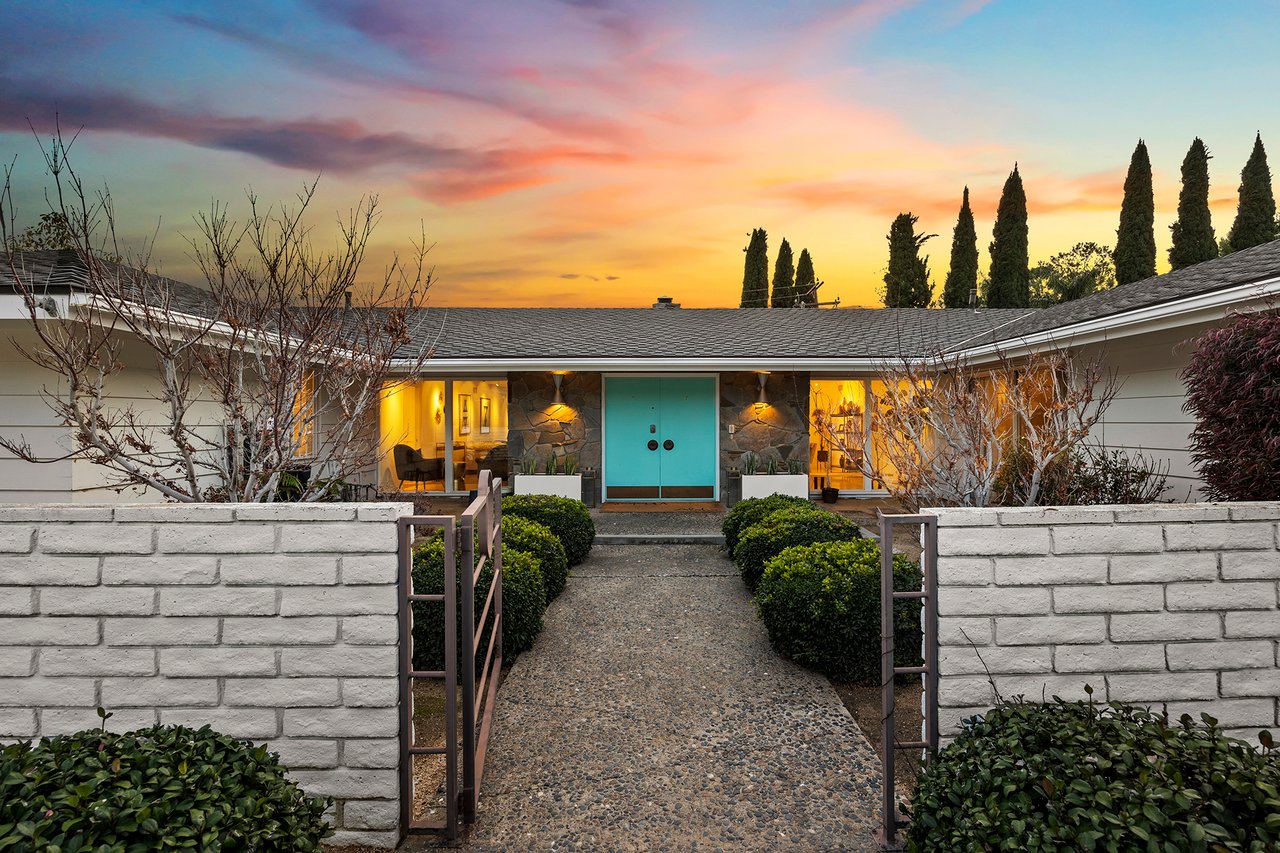
Midcentury modern homes aren’t just houses. They’re manifestos. Quietly radical, beautifully restrained, and wildly emotional for something made of glass, wood, and concrete. People don’t simply buy them—they identify with them.
Owning a midcentury modern home is less about square footage and more about philosophy. These homes ask a question most architecture avoids:
What if daily life could feel intentional?
They Were Designed for Living—Not Impressing
Midcentury modern architecture emerged after World War II, at a time when the world desperately wanted clarity, honesty, and optimism. Excess felt unnecessary. Ornament felt dishonest. What mattered was light, flow, proportion, and how people actually moved through a space.
The result? Homes that feel uncannily relevant decades later.
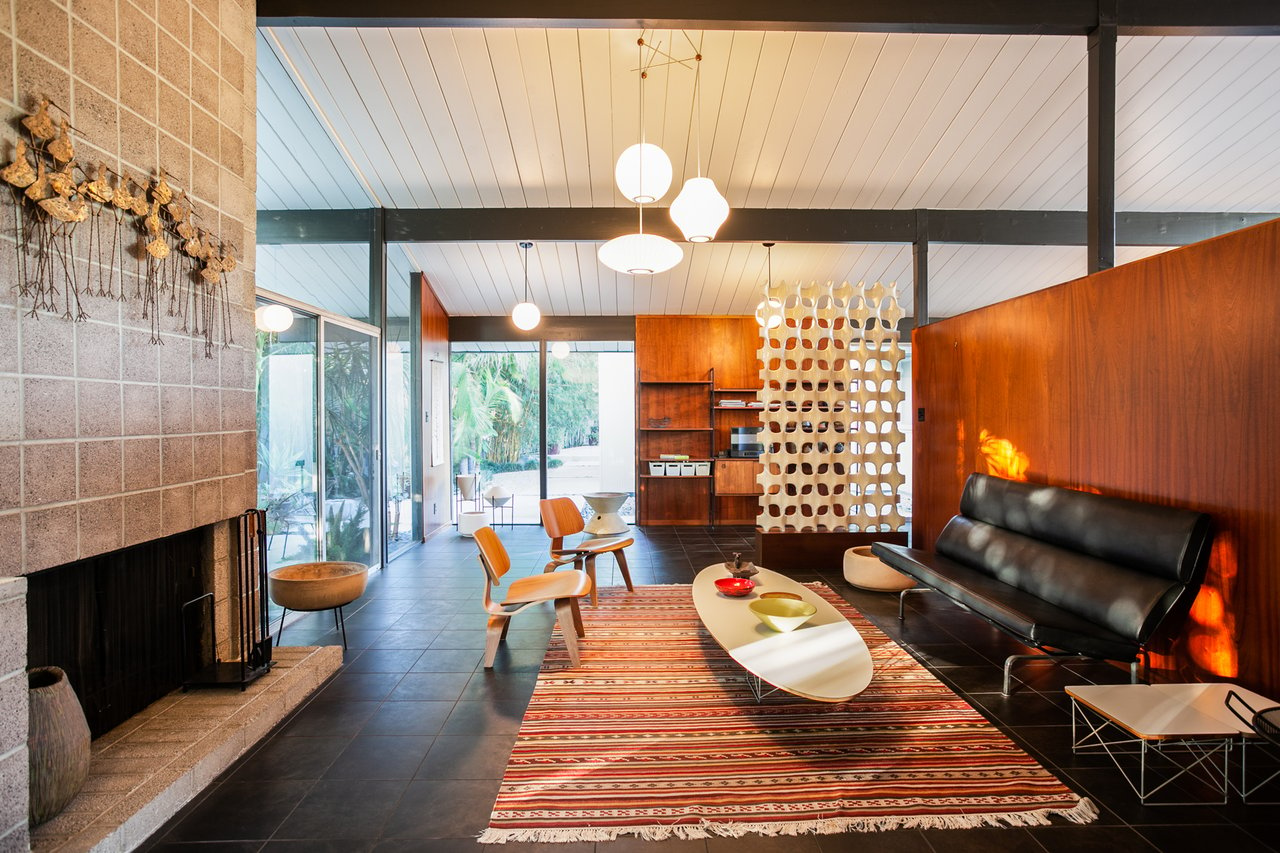
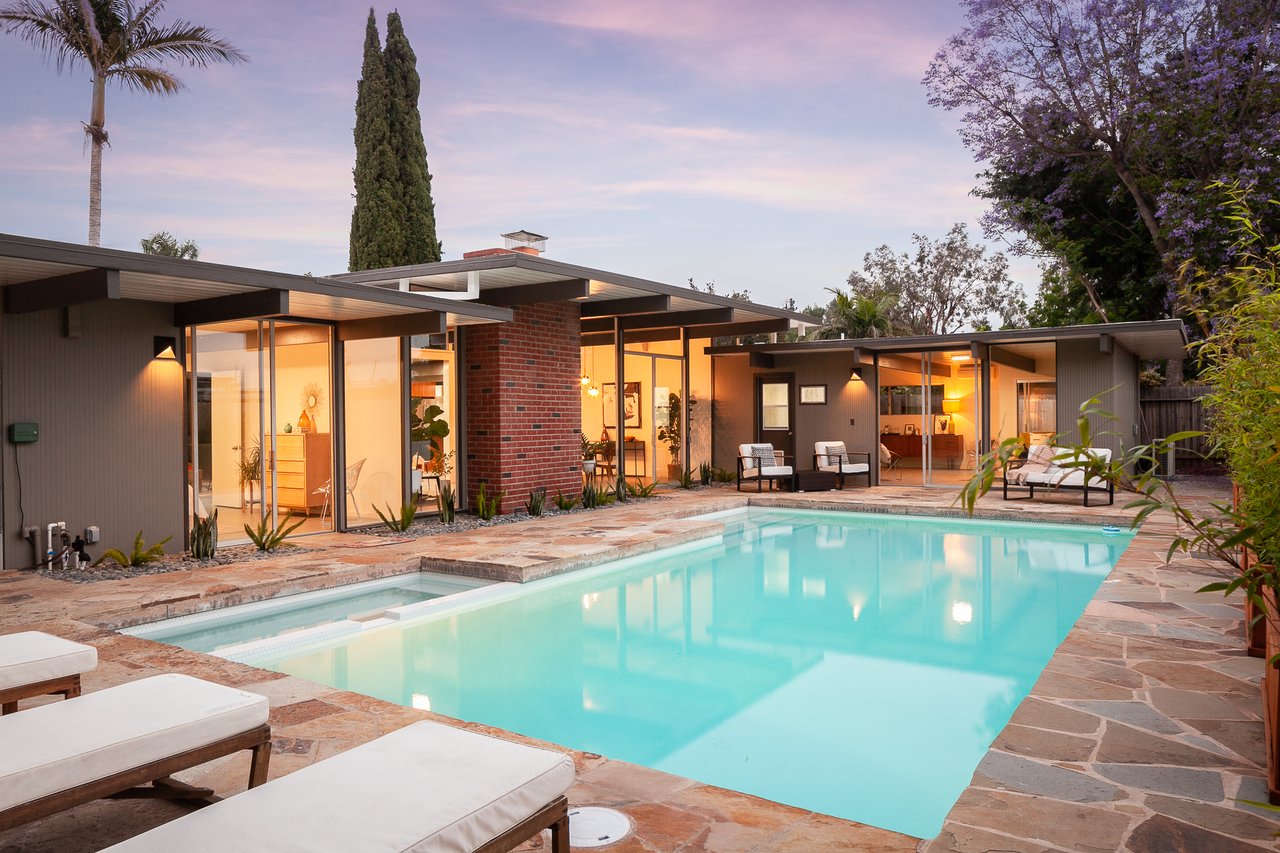
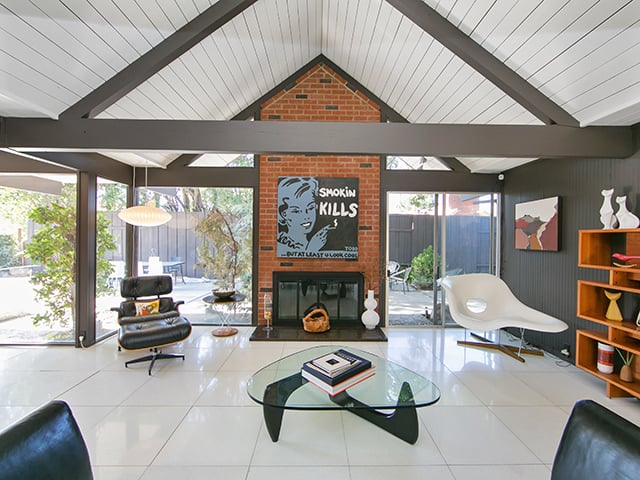
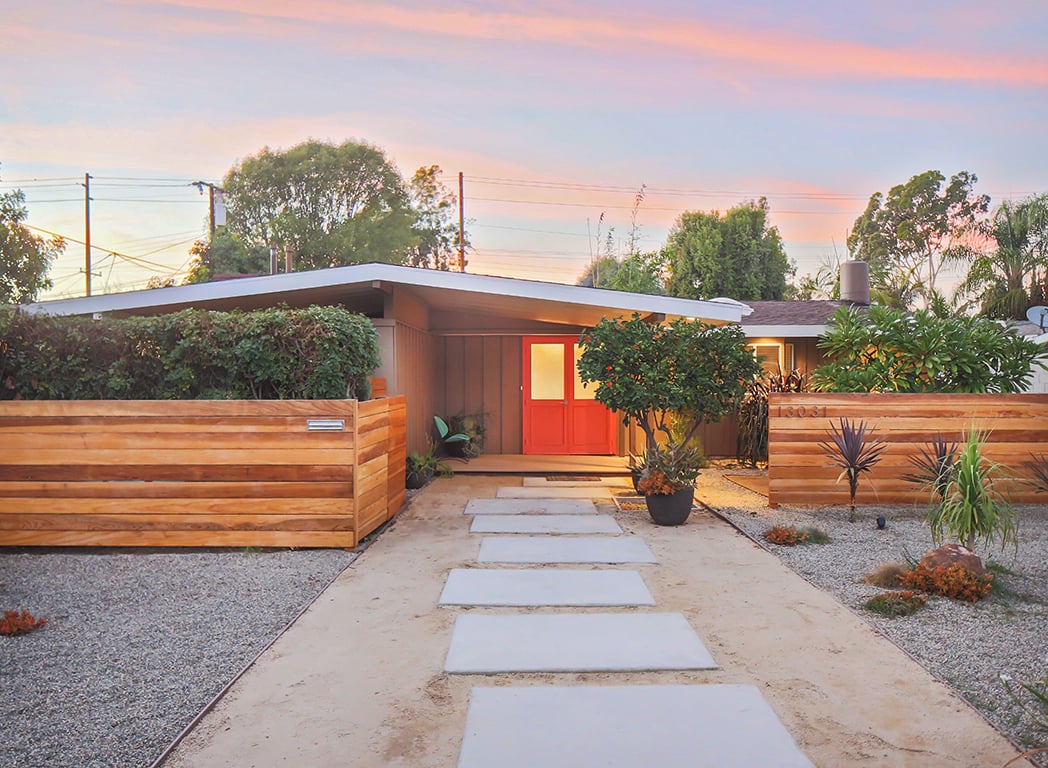
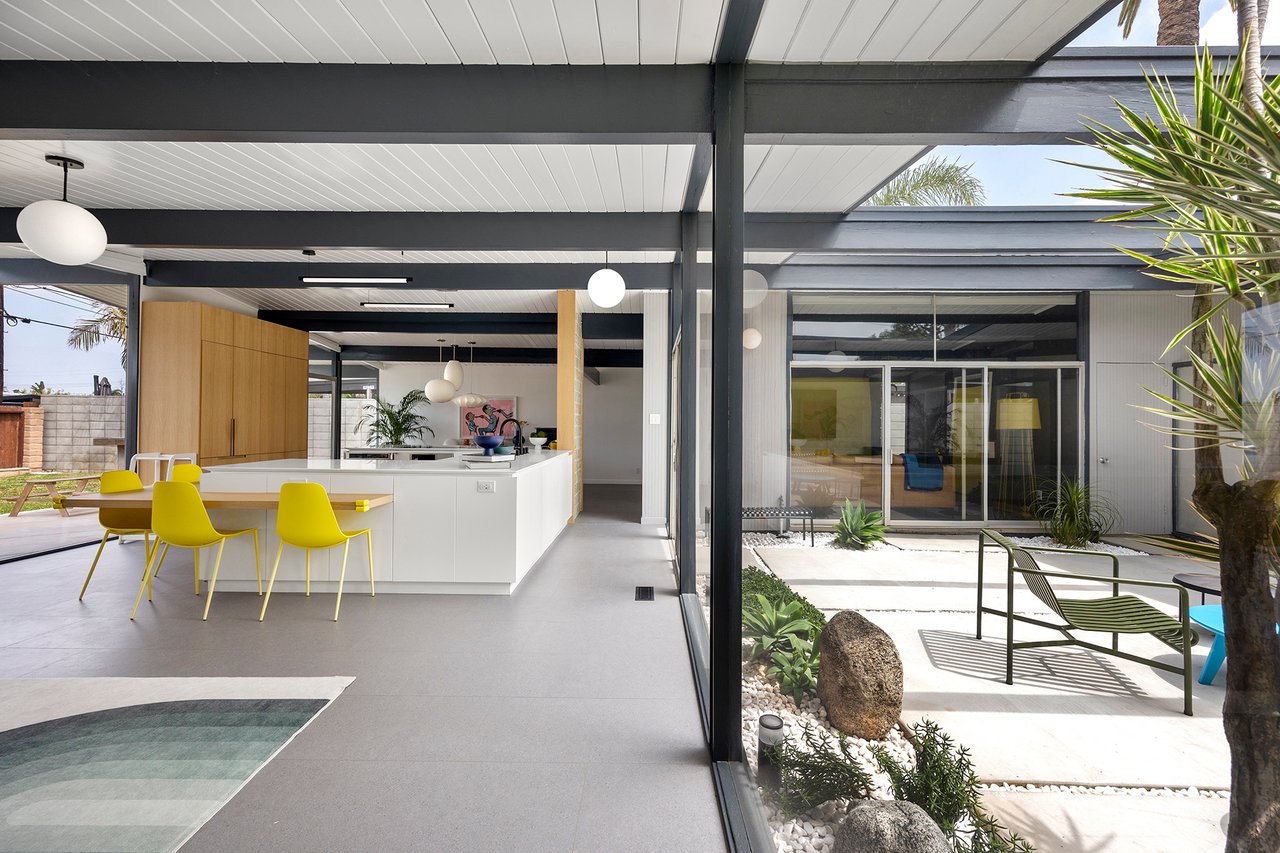
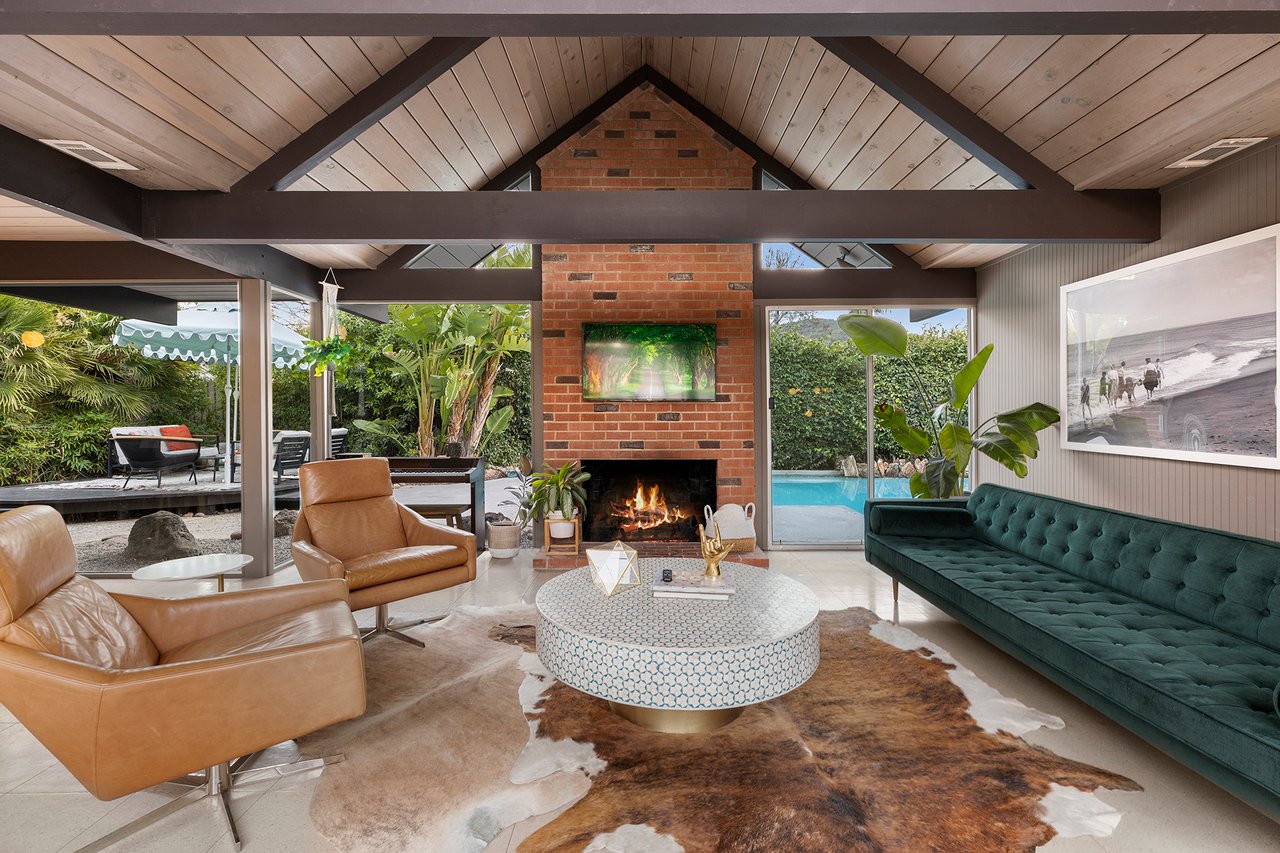
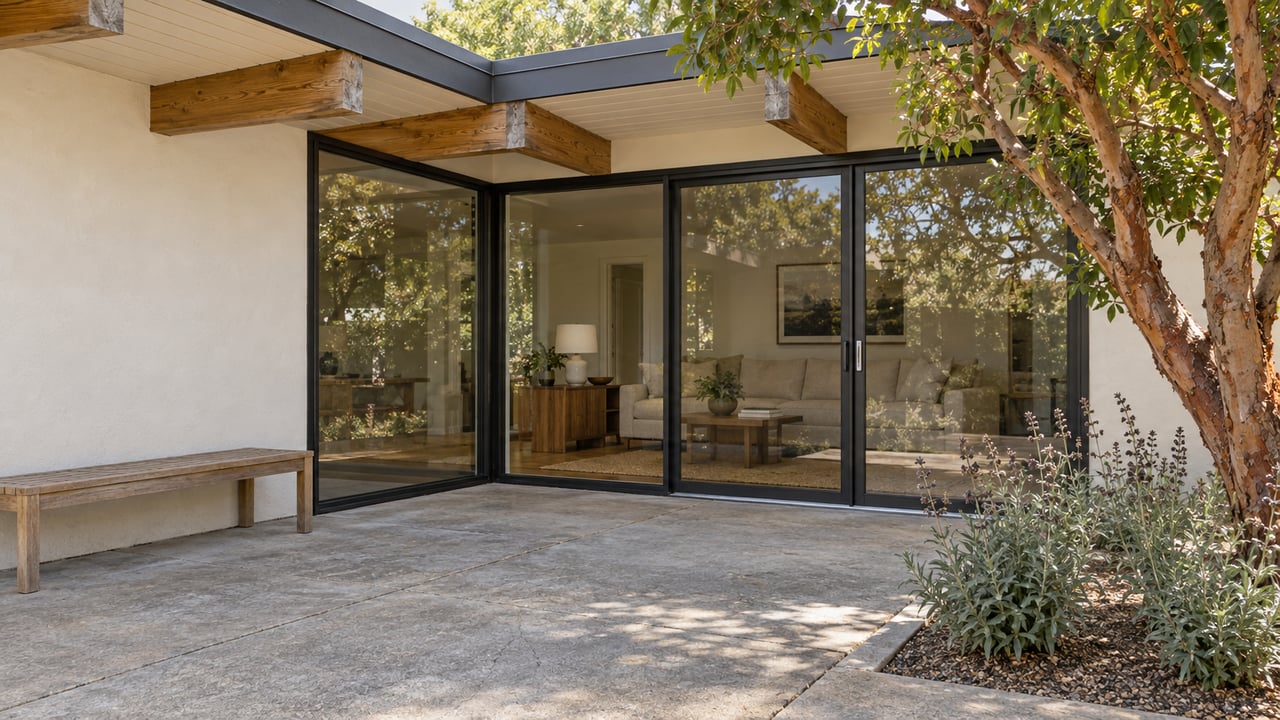
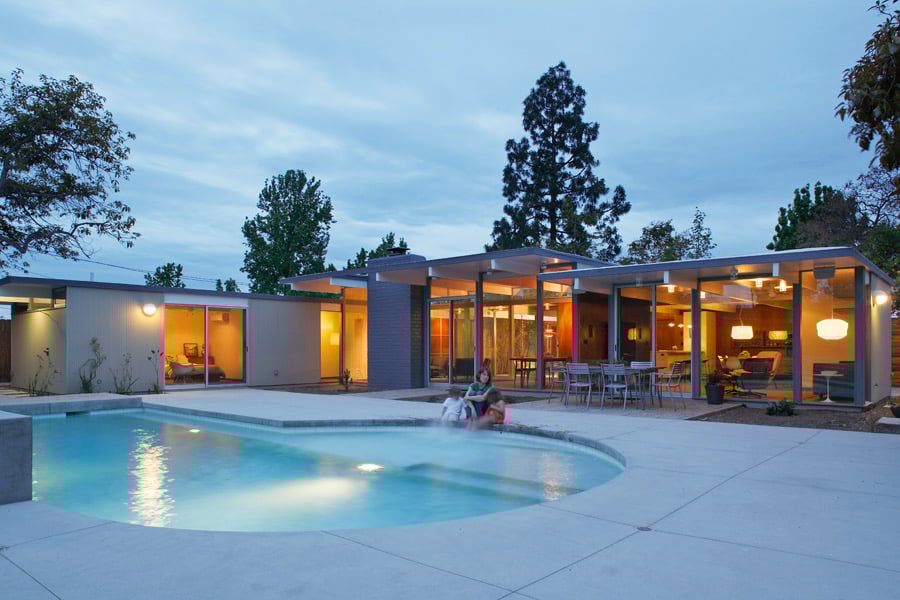
Open floor plans that actually work. Walls of glass that dissolve the line between indoors and outdoors. Rooflines that float. Rooms that talk to each other instead of competing for attention.
There’s no “look at me” here. And yet—everyone looks.
The Style Is Calm, But the Impact Is Emotional
Midcentury modern homes have an emotional temperature. They lower your blood pressure.
Natural light enters where you want it. Ceilings lift just enough to make you breathe deeper. Materials are warm but restrained—wood grains you can feel, concrete that grounds you, glass that reminds you the outside world exists even when you’re inside working, parenting, or thinking.
These homes don’t shout luxury.
They whisper intelligence.
The People Who Love Them Are a Very Specific Breed
Midcentury buyers tend to share a few traits (and they’re rarely accidental):
-
They value design over trend
-
They prefer subtlety over flash
-
They care deeply about authenticity
-
They usually know exactly who Richard Neutra or Joseph Eichler was—and have opinions about them
These are people who don’t want the biggest house on the block. They want the best-considered one.
They’re often creatives, thinkers, collectors, minimalists-with-books, maximalists-with-restraint. People who love music on vinyl, chairs with names, and homes that don’t need explaining—because they explain themselves.
Midcentury Homes Age Better Than Almost Anything Else
Here’s the secret no one says out loud:
Midcentury modern homes don’t age. Trends do.
While other architectural styles cycle through phases of relevance and regret, midcentury design just… waits. Patiently. Confidently. Like it knows it’ll be back—because it never really left.
The principles are timeless:
-
Honest materials
-
Functional beauty
-
Connection to nature
-
Form following function (but still flirting with art)
When maintained or thoughtfully restored, these homes feel current without trying. That’s rare.
Living in One Changes How You Live
People often say, “I didn’t know I wanted this lifestyle until I lived in it.”
Midcentury homes subtly influence behavior:
-
You entertain more intentionally
-
You notice light throughout the day
-
You curate instead of accumulate
-
You sit differently, walk slower, live more deliberately
These homes reward presence. They don’t hide chaos well—which oddly encourages less of it.
They Are Functional Art You Get to Wake Up In
Owning a midcentury modern home is like living inside a well-composed photograph—except you control the soundtrack, the coffee, and the view.
Every beam, window, and angle was placed with purpose. Nothing is random. Nothing is pretending.
That’s why people who love midcentury modern homes don’t just “move on” from them. They compare every house afterward—and most fall short.
Because once you’ve lived in a piece of art that was designed for real life, it’s hard to go back to anything that’s just pretending to be special.