Thinking about selling your historic home in Floral Park? You are in a special position. Your property carries architectural character, neighborhood pride, and a few extra steps that standard homes do not. In this guide, you will learn what “historic” means in Santa Ana, which disclosures matter most, how to price and present your home, and how to reach design‑minded buyers who appreciate authenticity. Let’s dive in.
Quick facts for Floral Park sellers
- Floral Park is a recognized National Register Historic District, listed in February 2023. You can explore the neighborhood’s history on the Floral Park Neighborhood Association site. Visit the district overview on the Floral Park history page.
- Santa Ana runs a local Historic Preservation program with a Historic Resources Commission that reviews many exterior changes to listed or contributing properties. Start with the city’s official historic preservation page.
- The Mills Act is California’s key property‑tax incentive for historic homes. Contracts are administered locally and transfer with the property at sale. Learn how it works at the California Office of Historic Preservation’s Mills Act page.
What historic status means for your sale
National Register vs. local rules
National Register listing is a powerful form of recognition, but it does not by itself prevent a private owner from altering a home when only private funds are used. The National Park Service explains how listing works and what it means for owners in its National Register FAQs. In Santa Ana, the local ordinance guides what exterior work needs review. If a buyer wants to modify windows, add a fence, or change visible materials, they may need a Certificate of Appropriateness from the Historic Resources Commission. For process steps and current forms, use the city’s historic preservation page.
Check if your home is locally designated or under Mills Act
Some Floral Park properties are locally listed or identified as contributing to the district. You can confirm status and ask about recent applications by contacting the Santa Ana Planning and Historic Preservation staff through the city site. If your home has a Mills Act contract, it transfers with the property and can be a selling point because of potential property‑tax savings. It also carries maintenance and reporting obligations the next owner should understand. The Mills Act overview outlines typical terms and local administration.
Disclosures you must prepare in California
Disclosures protect you and help buyers feel confident. For historic homes, they are essential because of age, prior modifications, and special designations.
Core state and federal disclosures
- Transfer Disclosure Statement. For most one‑to‑four unit residential sales, you must provide a TDS that outlines known property conditions and defects. See the California Civil Code reference for the Transfer Disclosure Statement.
- Natural Hazard Disclosure. California requires sellers to disclose if the property lies in any of six state or federal hazard zones. Many sellers order a third‑party NHD report. Learn the basics of NHD requirements from this Natural Hazard Disclosure guide.
- Lead‑based paint. For homes built before 1978, federal law requires you to provide the EPA/HUD pamphlet, disclose known lead hazards, include a lead warning in the contract, and offer a 10‑day inspection period unless waived. See the federal summary of lead‑disclosure rules.
Extra items that matter with historic homes
- Unpermitted work and violations. Disclose any known unpermitted alterations or outstanding code issues. Failure to disclose can create liability after closing. See a plain‑English overview of seller exposure related to unpermitted structures.
- Recorded easements or covenants. If a preservation or façade easement exists, it runs with the land and should be disclosed. Buyers will want to understand maintenance responsibilities.
- Mills Act contracts. Disclose the contract and provide copies. Buyers will ask about both the tax savings and the required upkeep.
- Recent renovations and short holds. If you have owned the home a short time or completed recent work, you may have added disclosure duties under newer California rules. Share permits and contractor information and speak with your agent about timing and forms.
Pro tip: Prepare the TDS, NHD, and lead materials early. Delivering disclosures before accepting an offer can lead to smoother negotiations and reduce cancellation risk.
Pricing historic homes in Floral Park
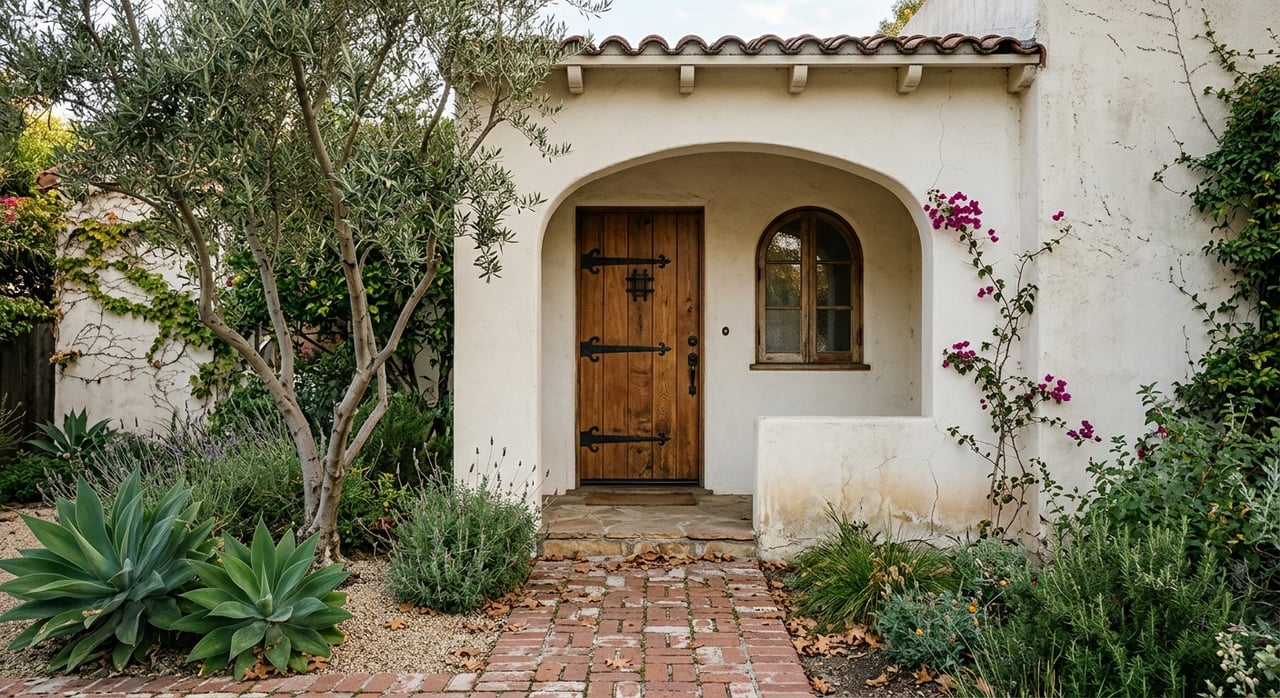
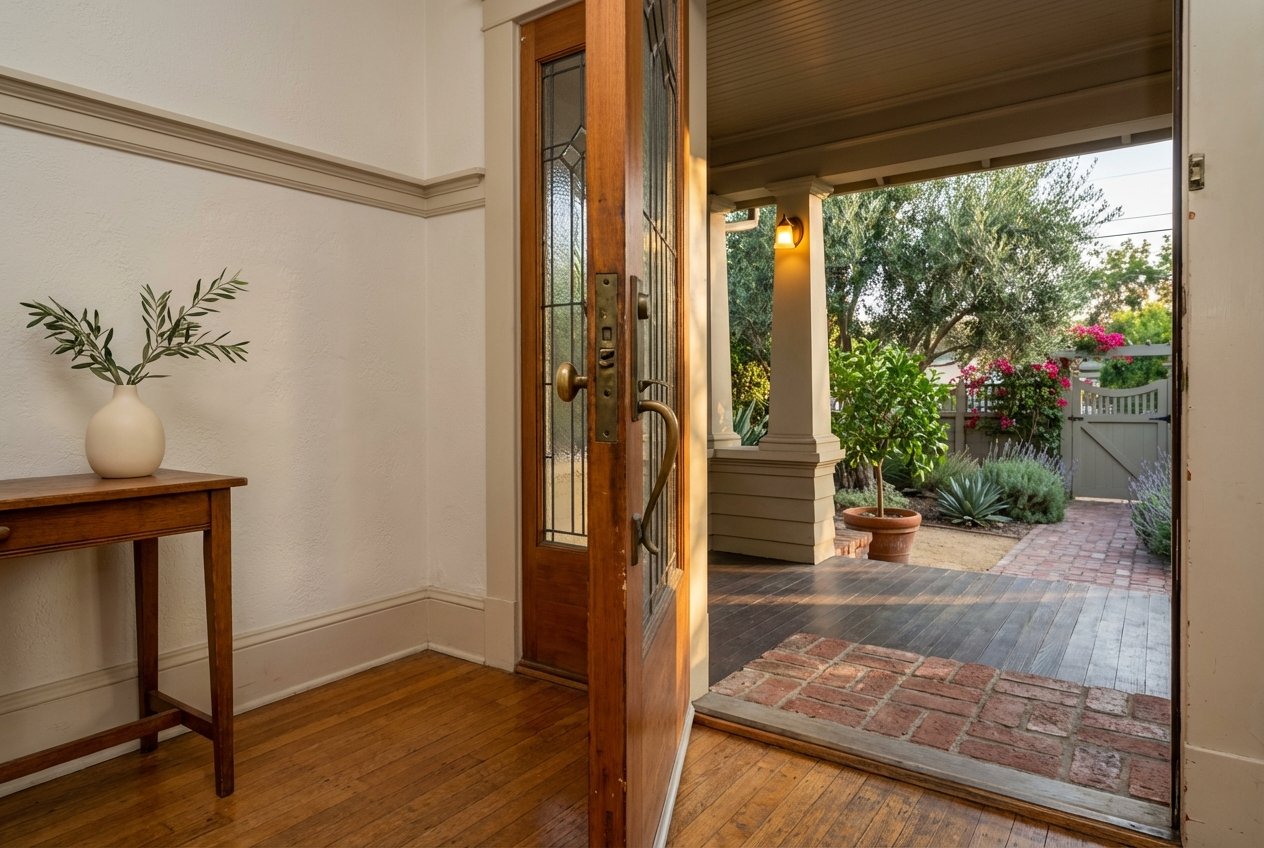
Floral Park offers a finite supply of early to mid‑20th‑century homes in styles that range from Spanish Colonial and Tudor to Craftsman and early ranch. That mix is part of the appeal, but it can make comparable sales harder to find. Start with recent Floral Park comps, then expand your search to nearby historic neighborhoods with similar architecture if needed. Always verify the latest MLS data and work with an agent who understands Floral Park’s sales history.
What research says about value
Academic studies often find that historic‑district status is associated with value premiums or stronger appreciation, but outcomes vary by city, designation level, and market cycle. The takeaway for you is simple. Historic status can be a competitive advantage, yet pricing still depends on recent comps and buyer demand. Use district recognition to support your story and ask your agent to position your home against the most relevant sales.
Appraisal and documentation essentials
Appraisers rely on the sales comparison approach, and for unique historic properties they may use adjustments or the cost approach for special features. Help the process by preparing a clean packet for buyers and appraisers that includes:
- A features list that separates original elements and modern upgrades.
- Copies of permits, contractor receipts, and dates for major systems.
- Any documentation of restorations or historic research you have assembled.
Clear, credible documentation helps appraisers and buyers see the full picture.
Prep, staging, and marketing that work
Stage to spotlight period details
Staging helps buyers imagine daily life in your home and can reduce days on market. Industry surveys report that agents often see a 1 to 10 percent increase in offer price for staged homes. See highlights in the National Association of Realtors home staging report.
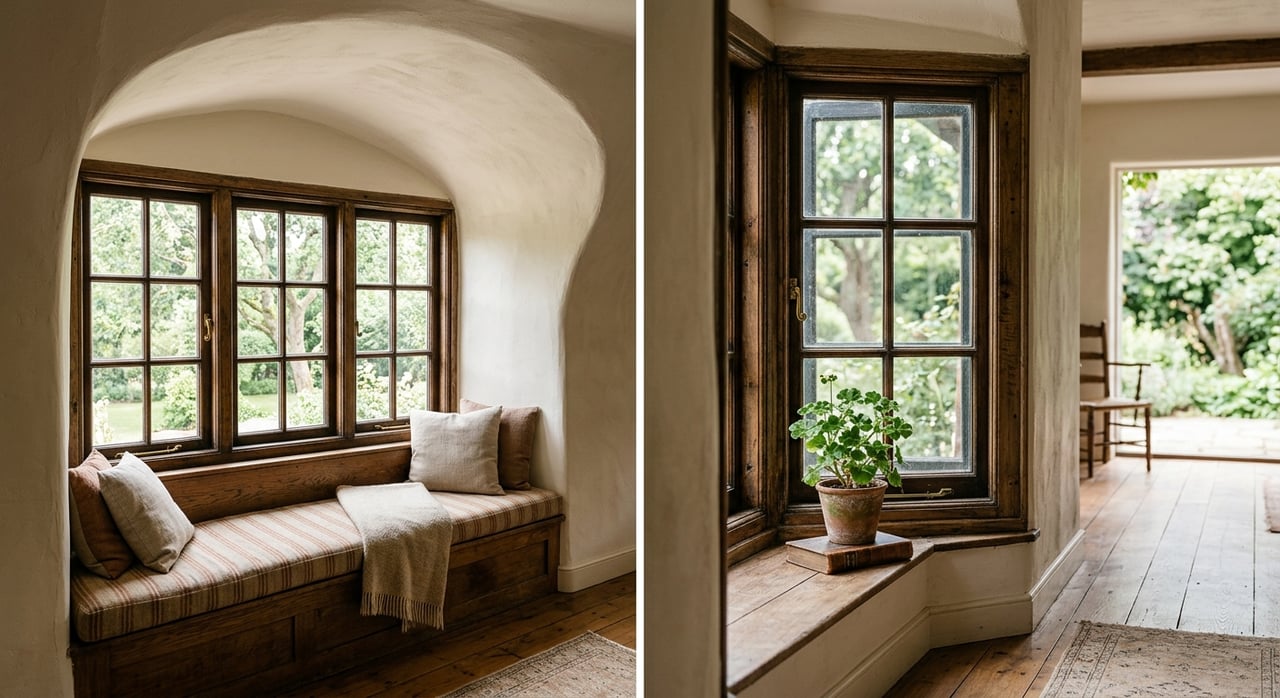
For historic homes, keep staging light and neutral so original details read clearly in photos and video.
- Declutter and depersonalize so millwork, arches, and tile can shine.
- Prioritize the living room, kitchen, and primary bedroom first.
- Use soft, neutral walls and simple textiles that frame original wood, tile, or leaded glass.
- Hire a professional photographer and request detail shots of unique elements.
- Consider virtual staging for vacant rooms to manage budget.
Tell the home’s story
Design‑minded buyers respond to provenance and care. Include a one‑page narrative with:
- The home’s build year, known architect or builder if documented, and notable period features.
- Dates of major systems updates and any restoration work.
- A short neighborhood note explaining the home’s place within the Floral Park district.
Reach the right audience
Go wide and targeted. Pair high‑quality MLS distribution with specialty exposure where preservation and architecture fans gather. Examples include local historic‑society newsletters, heritage and architectural groups on social platforms, and regional design publications. Video tours, 3D walkthroughs, and short, captioned clips help buyers absorb both craftsmanship and layout.
Be ready for inspections and negotiations
Older homes often generate longer inspection lists. Reduce surprises by ordering pre‑listing inspections for the general home systems, termite, and if appropriate, sewer line or roof. Keep your permit history and contractor list handy for buyer questions. Highlight recent upgrades like electrical rewires, sewer lateral work, HVAC replacements, and roof repairs. Preparing this information upfront builds trust and gives you more control over credits or repairs.
Seller checklist for Floral Park
- Confirm designation and likely approvals
- Ask the Santa Ana Planning and Historic Preservation staff whether your home is locally listed or contributing and which exterior changes may require a Certificate of Appropriateness. Start at the city’s historic preservation page.
- Gather documentation before listing
- Collect permit history, contractor contacts, receipts for major repairs, photos of original features, and any Mills Act or district paperwork. A short features list for buyers is helpful. Visit the Floral Park history page for neighborhood context you can reference.
- Order reports that reduce friction
- Consider a pre‑listing home inspection and termite report. Prepare your Natural Hazard Disclosure using a reputable provider. See a plain‑language NHD overview.
- Review lead and older‑home requirements
- If your home was built before 1978, include the federal pamphlet and lead warnings. See the federal lead‑disclosure summary.
- Evaluate Mills Act timing and impact
- If your home is eligible or already under contract, understand how benefits and obligations will affect buyers. Review the Mills Act program and check local timelines on the Santa Ana site.
- Stage and market to design‑minded buyers
- Use neutral staging to frame period details and invest in professional photography and video. For evidence on staging impact, see NAR’s staging report.
- Prepare and deliver disclosures early
- Complete the TDS and provide the NHD and lead materials before accepting offers. Disclose any known unpermitted work or easements. For context on unpermitted changes, review this seller liability overview.
Selling a historic home is about stewardship as much as it is about price. With the right preparation, pricing strategy, and story, you can reach buyers who value what makes Floral Park special and achieve a result that honors your home’s character.
If you want a design‑forward plan for staging, documentation, pricing, and multimedia marketing tailored to Floral Park, connect with Kelly Laule. Our boutique team pairs neighborhood knowledge with architecture‑savvy presentation to help your home stand out.
FAQs
What does National Register status mean for a Floral Park seller?
- It is recognition that can enhance appeal, but it does not by itself restrict a private owner’s alterations when only private funds are used. Local Santa Ana rules govern permits and Certificates of Appropriateness.
How does a Mills Act contract affect my sale?
- The contract transfers with the property, often lowering property taxes for the buyer and requiring ongoing preservation work and reporting. Disclose the contract and provide copies early in the process.
Which disclosures are required when selling a pre‑1978 home in Santa Ana?
- Prepare the Transfer Disclosure Statement, the Natural Hazard Disclosure, and federal lead‑based‑paint materials, plus any known unpermitted work, easements, or recorded restrictions.
How do appraisers value unique historic features in Floral Park?
- Appraisers rely on comparable sales and may adjust for special features or reference the cost approach. Your documentation of original elements, restorations, and permitted upgrades helps support value.
What staging choices help a 1920s Spanish or Tudor sell faster?
- Use neutral paint and simple furnishings to frame arches, tile, and woodwork; prioritize the living room, kitchen, and primary bedroom; and invest in professional photos with detail shots of period elements.