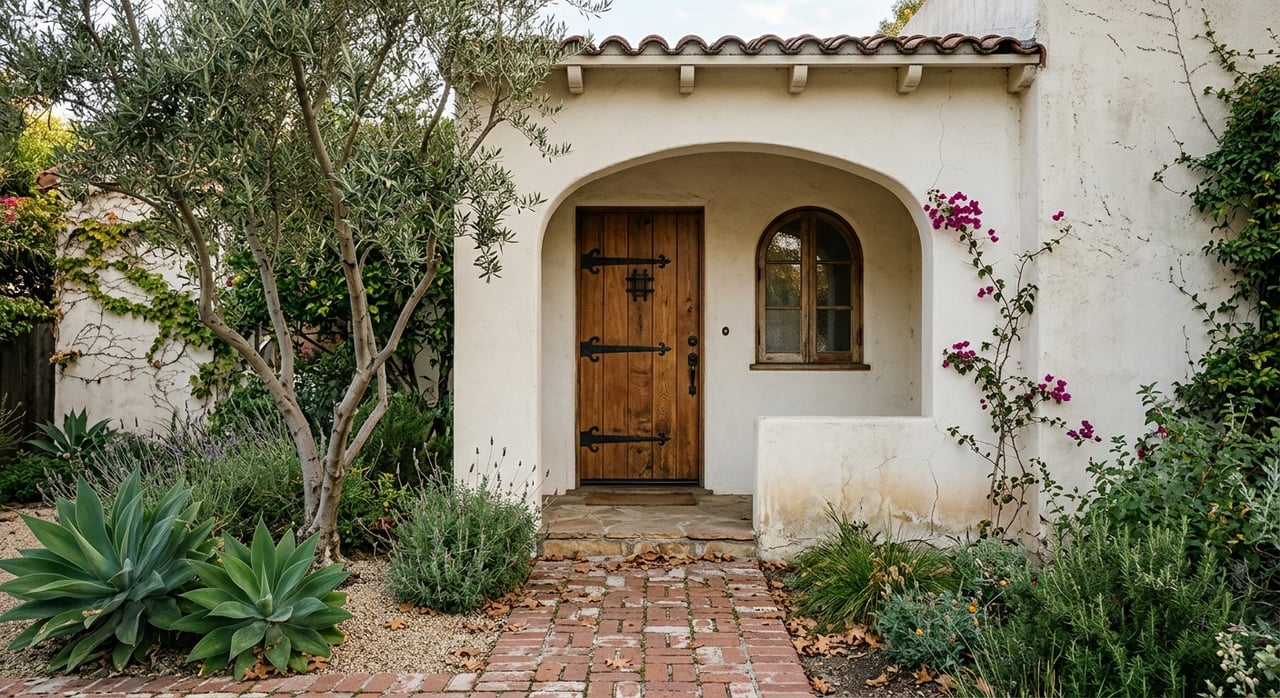
What makes West Floral Park feel so memorable when you drive through it? In many neighborhoods, the answer is one standout house. Here, it is the way the homes, trees, and gardens work together to create a calm, cohesive streetscape. If you are drawn to character, single-level living, and architecture that still feels livable today, West Floral Park offers a lot to notice. Let’s dive in.
West Floral Park’s Architectural Identity
West Floral Park is best understood as a postwar ranch neighborhood. According to Santa Ana historical resources reporting, much of the area was developed between 1947 and 1950, with later infill continuing a simplified California Ranch vocabulary.
That timeline matters because it explains why the neighborhood feels visually consistent. Rather than a mix of many competing periods, you see a strong run of one-story homes, broad lawns and gardens, and mature trees that soften the built environment.
The West Floral Park Neighborhood Association also describes the area as a tree-lined neighborhood of 1950s- and 1960s-era cottage and ranch homes. In everyday terms, that means you get repeating forms and familiar proportions, which often make the streets feel especially unified both in person and in listing photos.
Why Ranch Homes Define the Area
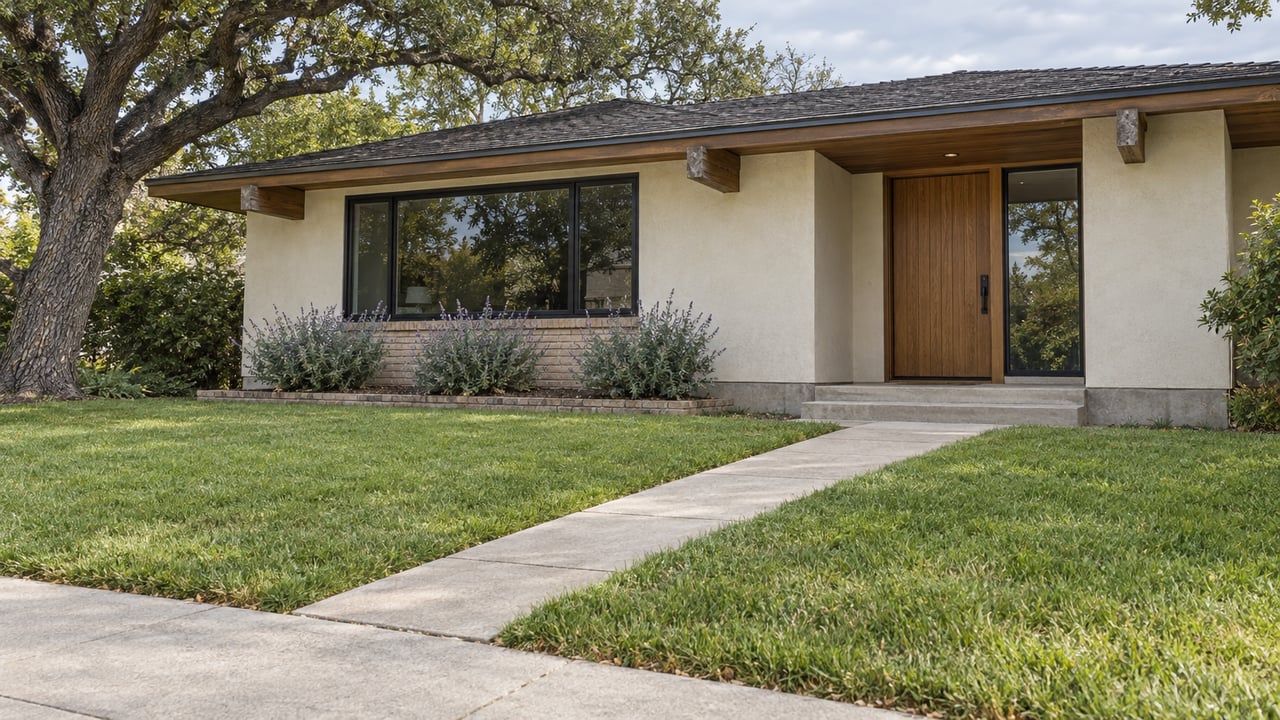
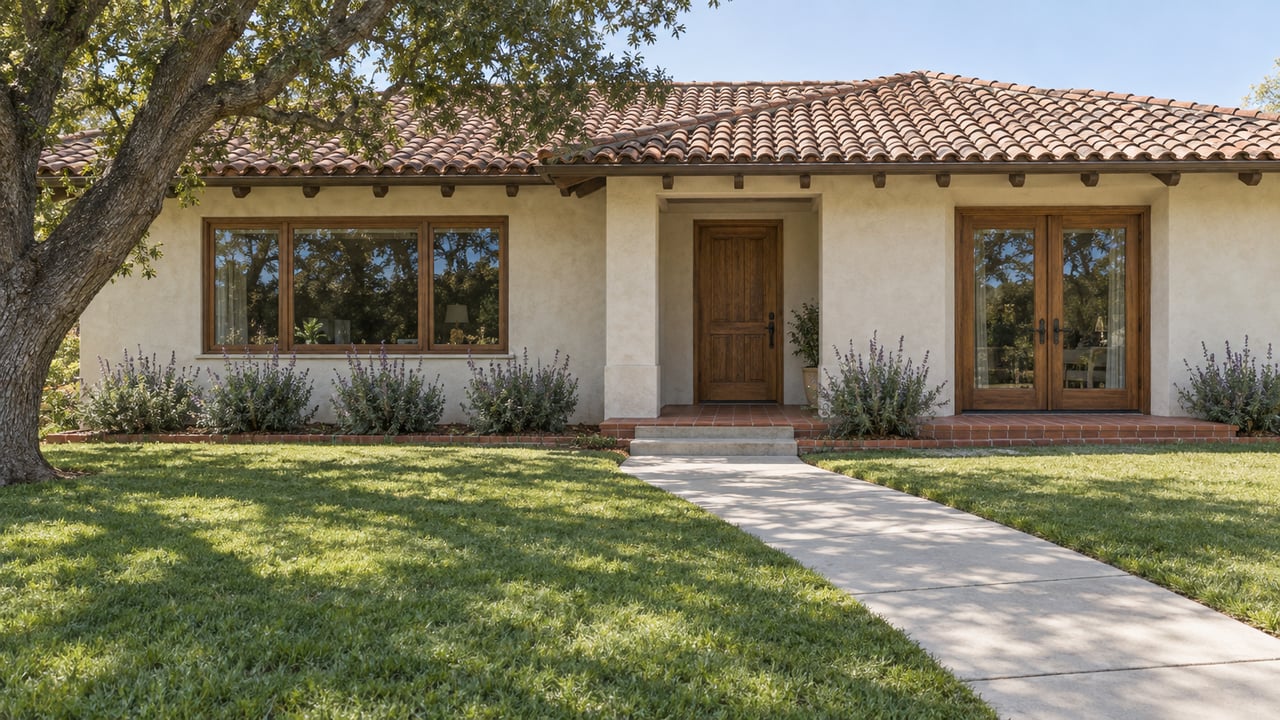
The dominant visual language in West Floral Park is the California ranch house. The National Park Service describes Ranch style as a California-born form that became widespread after World War II, typically with one story, an asymmetrical facade, a low-pitched roof, moderate or wide eaves, and strong horizontal emphasis.
You can often see those traits right from the curb. The rooflines sit low, the homes stretch across the lot rather than upward, and attached garages or carports are often integrated into the overall composition.
This style became popular for good reason. It supported open floor plans, easier circulation, and a stronger connection between indoor and outdoor living, which still appeals to buyers today.
Low Rooflines and Horizontal Form
One of the clearest ranch features is the long, low silhouette. In West Floral Park, that horizontal shape helps the homes feel settled into the lot rather than imposed on it.
Because so many houses share that basic massing, the neighborhood reads as calm and balanced. Even when individual homes have been updated over time, the original roofline and one-story form often still do the heavy lifting architecturally.
One-Story Living That Still Appeals
For many buyers, single-level living is more than a design preference. It can mean easier daily movement, simpler room-to-room flow, and a layout that feels practical without giving up charm.
That is part of West Floral Park’s lasting appeal. The neighborhood’s architecture is not flashy for the sake of being flashy. Instead, it tends to win people over through proportion, comfort, and livability.
Garages, Carports, and Street Rhythm
Ranch houses often include an attached garage or carport as part of the original design. In West Floral Park, these elements are not just functional. They also help shape the rhythm of the street.
As you walk or drive through the area, you may notice how driveways, front setbacks, entry paths, and garage placements create a repeating visual pattern. That pattern is one reason the neighborhood feels cohesive.
The Indoor-Outdoor Connection
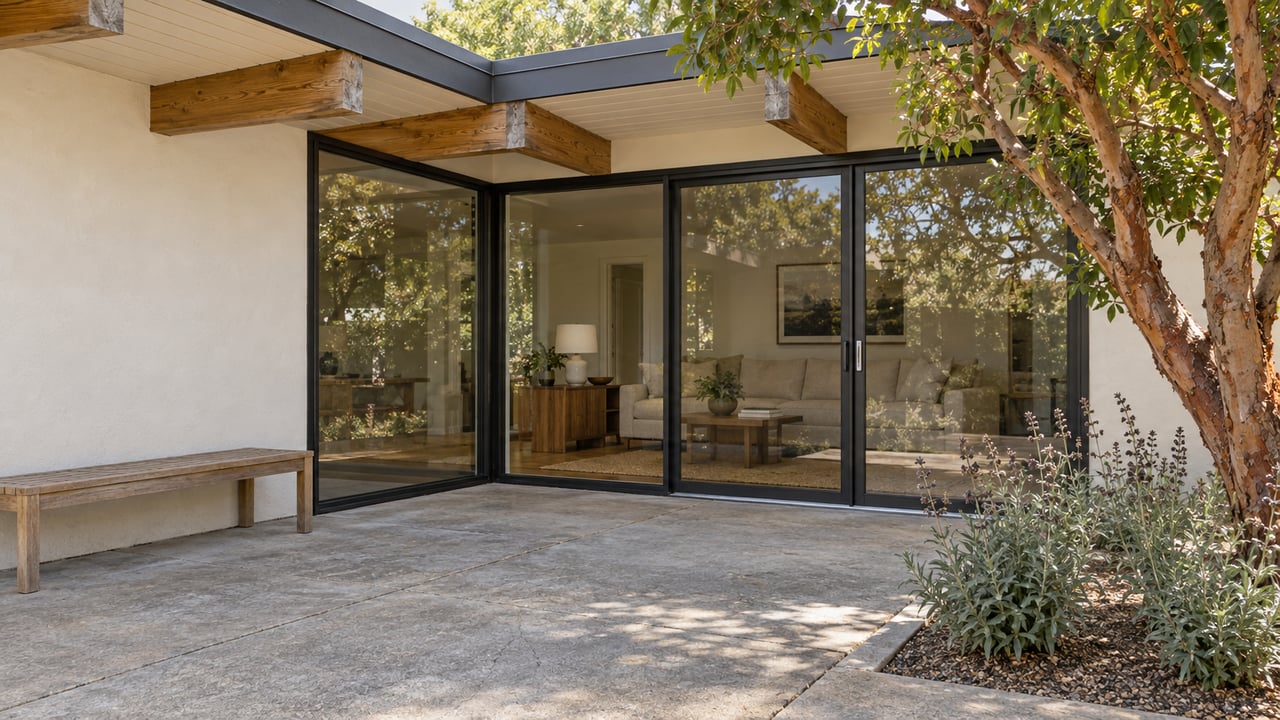
A major part of ranch design is the relationship between the house and the yard. West Floral Park homes often feel connected to patios, backyards, and garden views in a way that supports everyday outdoor living.
Open Garden Day materials provide a useful real-world snapshot of that lifestyle. They highlight West Floral Park ranch homes from 1952, 1954, 1956, 1958, and 1965, with owners describing backyard entertaining spaces, drought-tolerant planting, drip irrigation, and dry creek beds.
That tells you something important about the neighborhood. The architecture is not just about what sits under the roof. The landscape is part of the experience.
Gardens as an Architectural Feature
In West Floral Park, mature landscaping often acts like a finishing layer on the architecture. Trees frame facades, soften rooflines, and create a sense of depth from the street.
This is one reason the neighborhood often photographs so well. The homes are attractive on their own, but the combination of planting, shade, and house form creates a richer sense of place.
Water-Wise Updates That Fit
Santa Ana’s current landscape guidance encourages drought-tolerant planting, living ground cover, and water-smart yards. The city allows synthetic turf only up to 50% of landscaped area, and it also has standards for front-yard fences, walls, and arbors, along with a front-yard application process.
For buyers or owners, that means modern landscape updates can be both practical and visually appropriate. Open Garden Day examples show that residents are adapting their yards with native and drought-tolerant planting, drip irrigation, dry creek beds, and preserved fruit trees or mature shade trees without losing the neighborhood’s character.
What to Notice When Touring Homes
If you are exploring West Floral Park, it helps to look beyond finishes and ask a deeper question: what original form is still carrying the house? That mindset can help you distinguish a thoughtful update from one that obscures the home’s style.
For ranch homes, some of the most important elements to notice include:
- Low rooflines
- One-story massing
- Broad eaves
- Window rhythm across the facade
- The relationship between the main house and the garage or carport
When those features remain legible, the house usually still reads clearly as a ranch, even if kitchens, baths, flooring, or landscaping have been updated.
Storybook and Cottage Influence Nearby
You may also hear people mention cottages or storybook charm when talking about this part of Santa Ana. That description needs a little context.
West Floral Park itself is primarily a postwar ranch neighborhood. The stronger storybook and revival influence comes from the neighboring Floral Park district, which developed earlier and includes styles such as Tudor Revival, Spanish Colonial Revival, Colonial Revival, and other early American forms.
A Floral Park architecture essay notes that Tudor Revival homes can have a quaint storybook appearance, especially in smaller single-story Tudor cottages from the 1920s and 1930s. Features can include steep gables, half-timbering, diamond-paned or leaded windows, arched entries, and prominent decorative chimneys.
How to Think About Cottage References
In West Floral Park, cottage or storybook references are best understood as a neighboring architectural backdrop or as rarer holdovers, not the dominant local type. That distinction keeps your expectations aligned with what the neighborhood most consistently offers.
If you love romantic period charm, that nearby context may still matter to you. But if you are specifically shopping West Floral Park, the main architectural draw is usually the ranch form and the lifestyle that comes with it.
Sensitive Updates Matter Here
One of the smartest ways to approach a West Floral Park home is to preserve what makes the architecture readable. That does not mean freezing a home in time. It means understanding which features give it identity.
For ranch homes, keeping the original massing, roofline, eaves, and facade rhythm in place often does more for long-term character than adding trend-driven details. In many cases, the best updates support the original architecture rather than compete with it.
The same principle applies to the yard. A proportional, water-wise landscape can complement the home beautifully, while overbuilt or visually heavy changes can disrupt the balance that makes these homes feel so comfortable.
Historic Review and Exterior Changes
Santa Ana requires historic review for exterior work on registered or contributing properties, and major changes are handled through the Historic Resources Commission and the city’s Certificate of Appropriateness process. Santa Ana’s current National Register districts are Downtown Santa Ana, French Park, and Floral Park.
For buyers, the practical takeaway is simple. If you are considering exterior changes to a designated or contributing property, it is wise to get city guidance before altering anything visible from the street.
Even when a home is not subject to that level of review, the same design principle still holds. Keep the architecture legible, and keep the landscape in scale with the house.
Why Buyers Respond to West Floral Park
The appeal of West Floral Park is often more emotional than ornate. Buyers tend to respond to the combination of single-level livability, natural light, lot size, mature landscaping, and steady street presence.
That makes sense in a neighborhood shaped by postwar California design. The homes were created to support everyday life, and many still do that exceptionally well.
For design-minded buyers, this is the kind of neighborhood where subtle architectural details matter. A broad eave, a well-placed picture window, a shaded front yard, or a backyard patio can say more than elaborate ornament ever could.
If you are thinking about buying or selling in West Floral Park, it helps to work with someone who can read those details and present them well. Kelly Laule brings a design-aware approach to neighborhood storytelling, property presentation, and thoughtful guidance for architecture-forward homes.
FAQs
What architectural style is most common in West Floral Park?
- West Floral Park is primarily known for postwar ranch homes, especially one-story houses with low-pitched roofs, broad eaves, and a strong horizontal look.
What should you notice when touring West Floral Park ranch homes?
- Focus on the original form, including the low roofline, one-story massing, window rhythm, broad eaves, and how the garage or carport relates to the main house.
Are storybook cottages common in West Floral Park?
- Storybook and Tudor cottage influences are more strongly associated with the neighboring Floral Park district, while West Floral Park is mainly defined by its postwar ranch architecture.
How do West Floral Park homes connect to outdoor living?
- Many homes reflect classic ranch planning with patios, backyards, garden views, and landscaping that extends the living experience beyond the interior.
What landscape updates fit West Floral Park homes?
- Water-wise improvements such as drought-tolerant planting, living ground cover, drip irrigation, and dry creek beds can align well with the neighborhood’s character when kept proportional to the house.
What should buyers know about exterior changes in Santa Ana historic areas?
- Santa Ana requires historic review for exterior work on registered or contributing properties, so buyers should seek city guidance before making visible street-facing changes to those homes.