Wondering if a historic home in Floral Park is a dream purchase or a renovation puzzle? The answer is often both, which is exactly why buying here deserves a more careful, design-aware approach than a typical home search. If you love architecture, original details, and neighborhoods with a strong sense of place, this guide will help you understand what to look for, what to verify, and how to buy with confidence. Let’s dive in.
Why Floral Park Stands Out
Floral Park is one of Santa Ana’s best-known historic neighborhoods and one of the city’s National Register districts. It sits in north-central Santa Ana, about a mile from Downtown, and is known for its mature trees, shallow front lawns, detached rear garages, and largely single-family streetscape.
The neighborhood association describes more than 600 homes, with most built from the 1920s through the 1950s. For you as a buyer, that means the appeal is not just the house itself. It is also the larger neighborhood fabric, the rhythm of the streets, and the way the homes relate to their setting.
What “Historic” Means Here
Not every home within Floral Park has the same historic status. According to the district documentation, 576 of 673 resources are considered contributing, while later construction or heavier alterations can place a property in the non-contributing category.
That distinction matters when you are evaluating future changes, tax questions, and preservation expectations. A home may be individually listed on the Santa Ana Register of Historical Properties, classified as a contributing resource within the district, or simply located inside the district boundary.
Ask These Status Questions Early
Before you get too far into a purchase, confirm:
- Is the property individually listed on the Santa Ana Register of Historical Properties?
- Is it a contributing resource in the Floral Park Historic District?
- Is it non-contributing but still within the district boundary?
- Does the property have a Mills Act agreement in place?
These are not small details. They shape what ownership may look like after closing.
Floral Park Architecture to Know
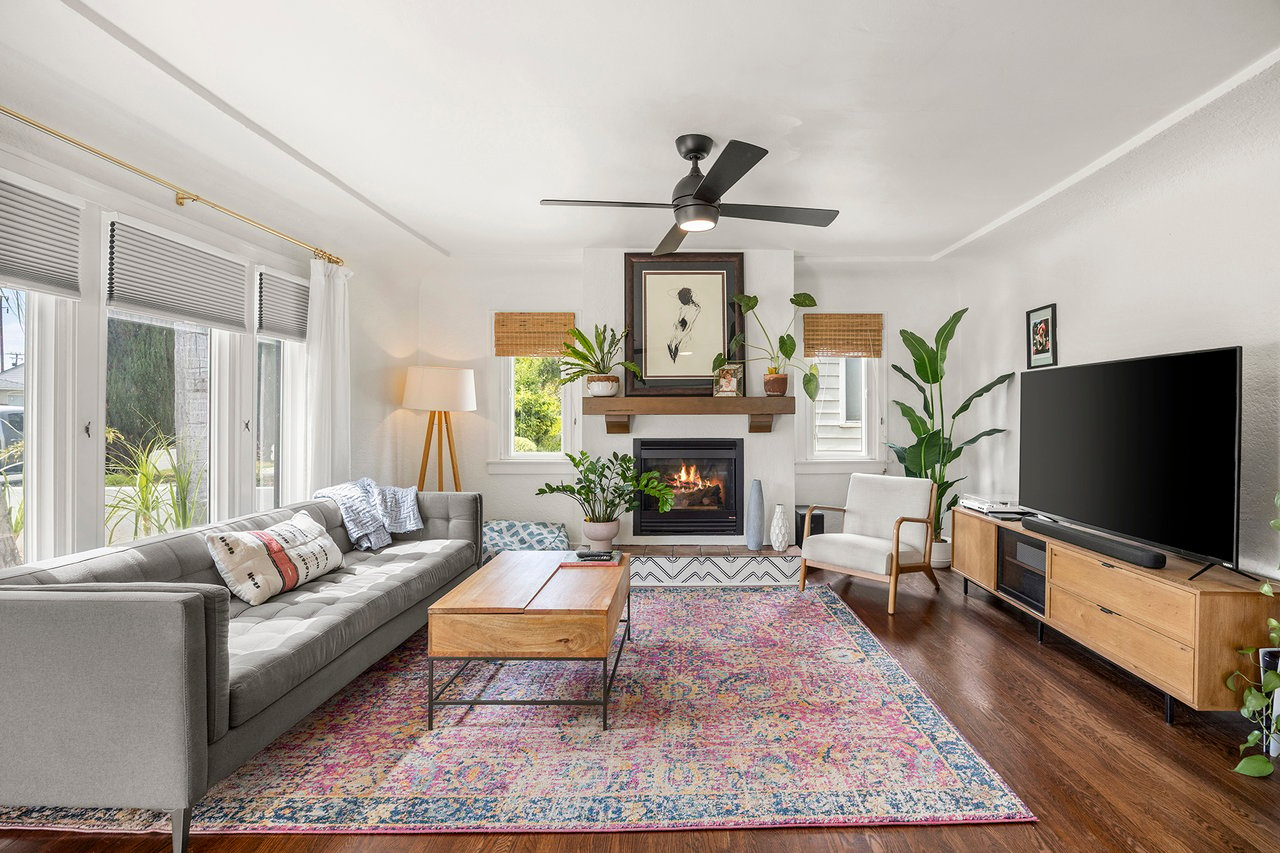
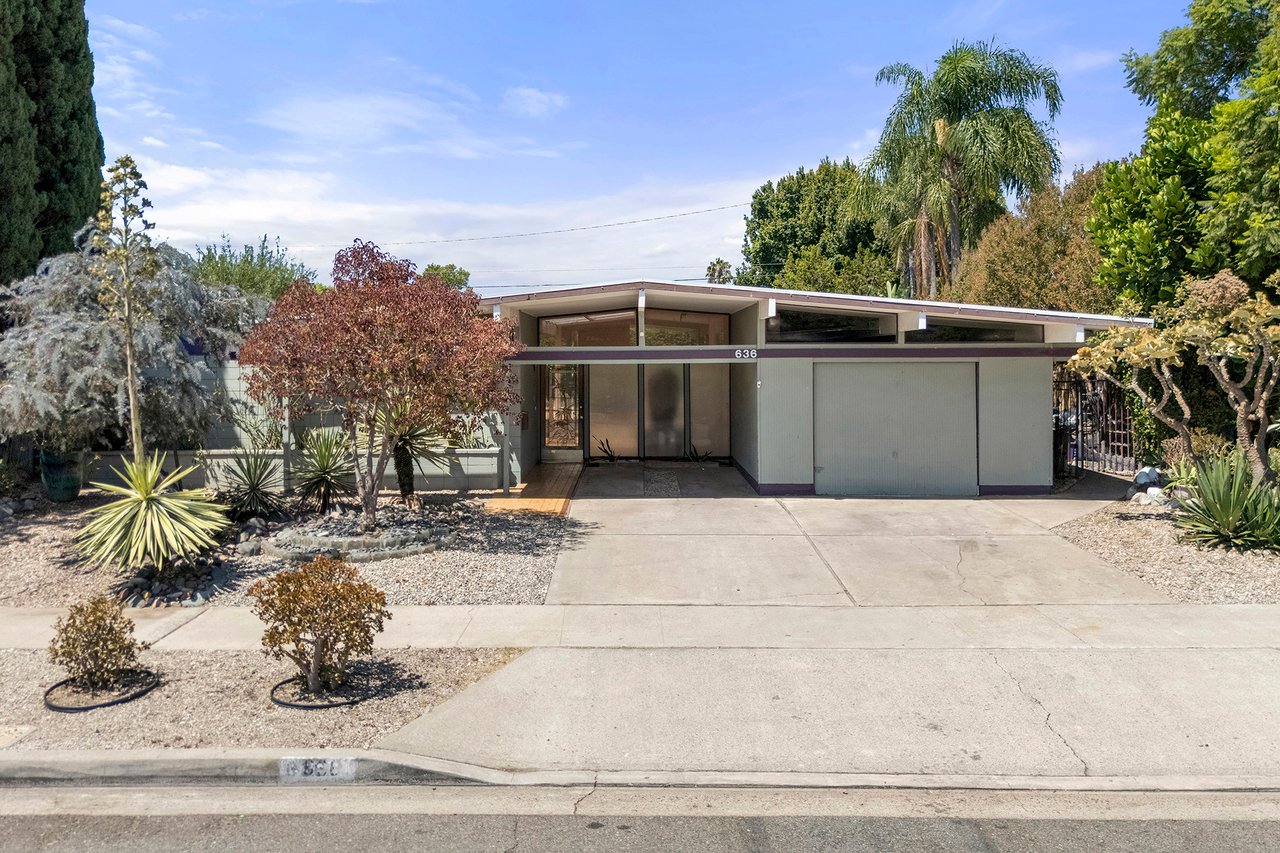
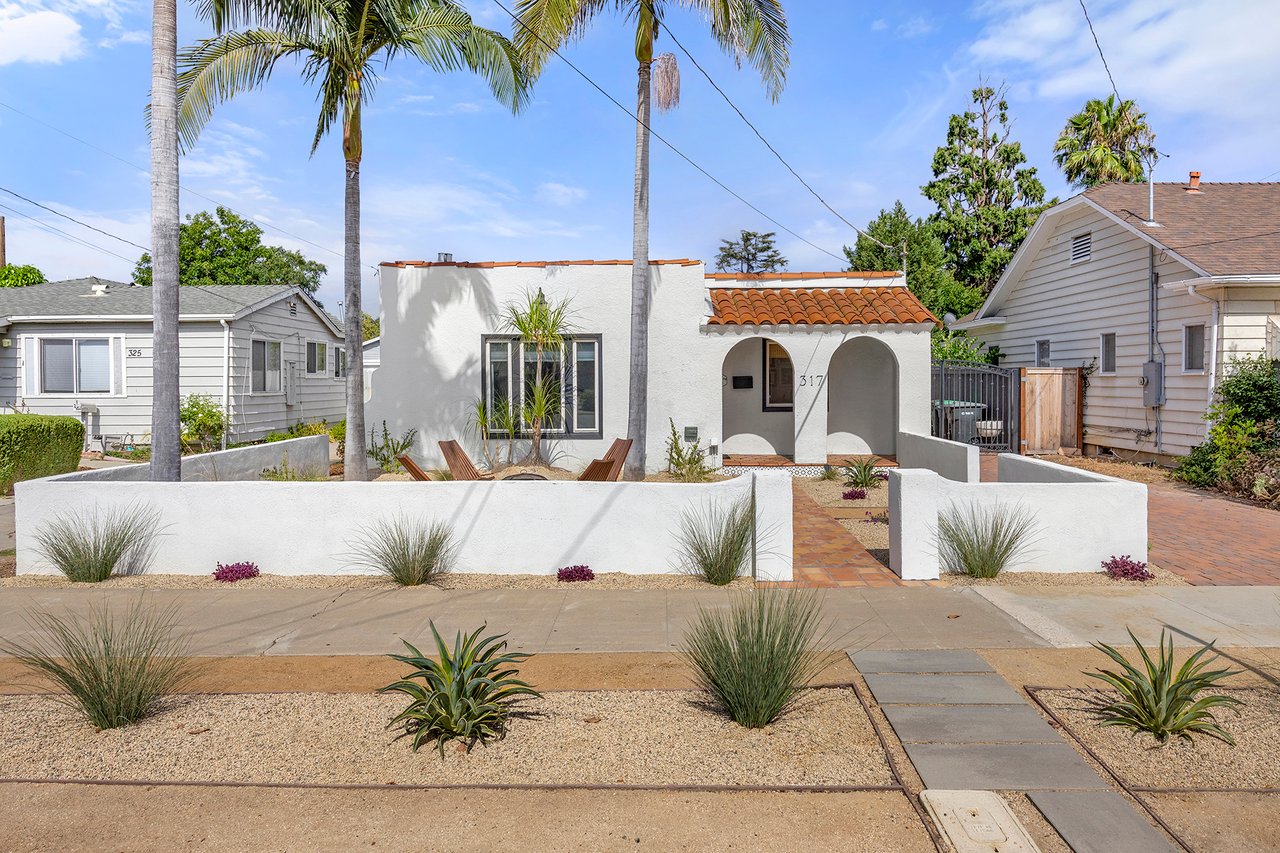
One of Floral Park’s biggest strengths is its range of architecture. The district includes Colonial Revival, Tudor Revival, Mission and Spanish Revival, Chateauesque, Classical Revival, Storybook, Prairie School, Streamline Moderne, Art Deco, Minimal Traditional, Queen Anne, National Folk, Ranch, and Split-Level homes.
Most homes date to the Revival era of the 1920s and 1930s, with more examples from the 1940s and 1950s. That creates variety, but it also gives the neighborhood a surprisingly cohesive feel because the homes still reflect a clear historic development pattern.
What Makes a Home Feel Authentic
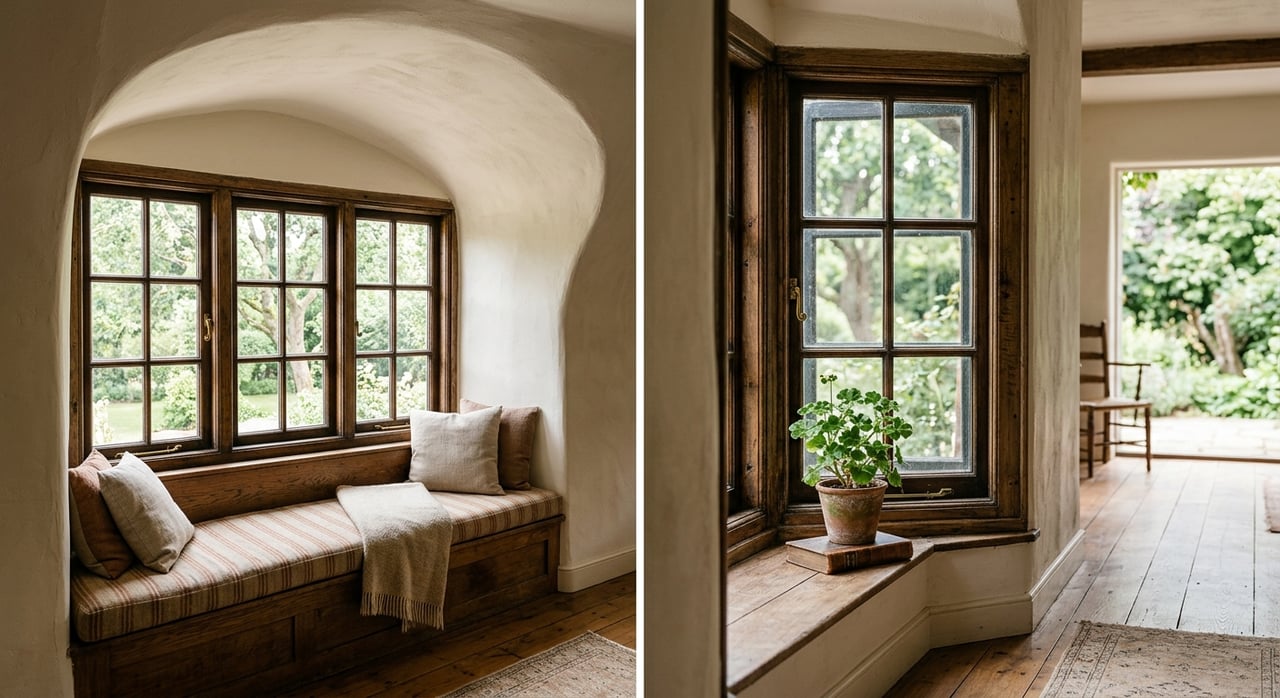
In Floral Park, age alone does not make a house feel historic. What matters more is whether the home still retains the features that define its original design.
The district report points to roof forms, window openings, porches, balconies, exterior cladding, scale, and facade composition as key markers of integrity. When those elements remain legible, a home typically reads as more authentic and more in tune with the district.
Red Flags to Notice at a Showing
As you walk through a property, pay attention to whether the historic character still comes through clearly. In practical terms, be cautious if you notice:
- Resized or significantly altered front windows
- Large additions on the primary facade
- Multiple original exterior elements replaced at once
- A roofline or porch that no longer matches the home’s style
- Exterior materials that feel inconsistent with the original design
A thoughtfully updated home can still work beautifully. The question is whether improvements feel compatible with the house rather than overwhelming it.
Due Diligence Before You Write an Offer
Buying any home in California comes with a standard set of disclosures and reports. Buyers should expect documents such as the Transfer Disclosure Statement, agency disclosure, and preliminary title report, along with any other required hazard disclosures that apply to the transaction.
Historic-home due diligence should go further than the basic packet. In Floral Park, permit history and alteration history deserve special attention because local preservation review takes those details seriously.
Review Permit History Early
The district nomination notes that alterations were identified through building permit records and field observations. The City of Santa Ana also checks for unpermitted work when screening local register and Mills Act applications.
That makes permit history something you should review before closing, not after. If a home has been expanded, re-windowed, or substantially remodeled, you will want to know whether the work was properly permitted and how it may affect the property’s historic standing.
Build the Right Inspection Team
For an older Floral Park home, a general home inspection is a starting point, not the whole story. The California Department of Real Estate points buyers toward home inspections and pest inspections, and specialty inspections may also be useful depending on the condition and age of the property.
A practical buyer team often includes:
- A design-aware agent who understands older homes
- A general home inspector
- A pest inspector
- A contractor experienced with historic materials
- Additional specialists if a property shows signs of material, structural, or environmental concerns
Lead Paint and Asbestos Considerations
Many homes built before 1978 may contain lead-based paint. That does not automatically make a Floral Park home a bad purchase, but it does mean you should approach renovation and deferred maintenance with care.
EPA guidance says intact lead-based paint can often be managed, while deteriorated or disturbed paint creates greater risk. The same practical mindset applies to suspect asbestos-containing materials. Testing becomes especially important if a renovation is likely to disturb them.
What This Means for You
If you are buying a historic home with plans to update it, ask early:
- Are there areas with peeling or failing paint?
- Will any remodel disturb older finishes or materials?
- Should a trained professional evaluate suspect asbestos before work begins?
- Are your contractors comfortable working on older homes?
In many cases, the issue is not whether older materials exist. It is whether your ownership plan will disturb them.
Renovation Rules in Santa Ana
If you are picturing exterior changes right away, make sure you understand Santa Ana’s review process. The city states that improvements or alterations to locally listed properties and contributing properties in historic districts must meet the Secretary of the Interior’s Standards for Rehabilitation and require a Certificate of Appropriateness.
Major alterations, relocations, or demolitions go to the Historic Resources Commission. Santa Ana also maintains historic design guidelines, along with separate guidance for specific topics such as solar panels on historic properties.
Exterior Changes That May Need Review
While each project should be confirmed with the city, review is especially important when work affects visible exterior character. That can include changes to:
- Windows and openings
- Rooflines
- Porches and balconies
- Exterior cladding
- Additions and expansions
- Solar installations on historic properties
If a house is historic in a formal sense, exterior design decisions are not just a personal preference issue. They are often part of a city review process.
What Sympathetic Renovation Looks Like
Good renovation in Floral Park is usually less about dramatic transformation and more about careful stewardship. The preservation approach is to repair rather than replace when possible, retain historic character, and make additions compatible in scale, proportion, and massing.
In plain terms, the most successful projects tend to keep the original roofline, window pattern, porch, cladding, and overall massing whenever those elements are still viable. New work should feel respectful and compatible without pretending to be original.
A Helpful Buyer Mindset
When comparing homes, try asking not just, “How updated is it?” but also, “How well has it been cared for?” A house with preserved details, sensible maintenance, and thoughtful changes may offer better long-term value than one with flashier updates that erase key character-defining features.
That design lens matters in Floral Park. The best fit is often a home where architecture and maintenance tell the same story.
Check for a Mills Act Agreement
A Mills Act contract is another important item to verify during your due diligence. The City of Santa Ana says qualified historic properties may receive property tax relief through a Mills Act agreement, and that agreement transfers to the new owner when the home is sold.
That can be meaningful for your ownership costs, but it also comes with preservation obligations. You do not need to become a tax expert before making an offer, but you should understand whether the property has a Mills Act contract and what responsibilities come with it.
Think Beyond the Purchase
Owning a historic home in Floral Park often works best when you think like a long-term steward. Preventive care matters. Keeping moisture out, maintaining paint, protecting drainage, and addressing small failures early can help prevent bigger material loss later.
That kind of ownership is not for everyone, but for many buyers it is part of the appeal. If you value architecture, neighborhood continuity, and the feel of a house that still carries its original proportions and details, Floral Park offers something hard to replicate.
If you are considering a purchase here, the smartest path is a local, design-aware one. Working with the right team can help you understand not just whether a home is beautiful, but whether it is the right historic fit for your goals. If you want thoughtful guidance on buying an architecture-rich home in Orange County, connect with Kelly Laule.
FAQs
What should you verify before buying a historic home in Floral Park Santa Ana?
- Confirm whether the home is individually listed, contributing, or non-contributing, review permit history, check for a Mills Act agreement, and understand which exterior changes may require city review.
What makes a Floral Park home historically significant?
- A Floral Park home typically reads as more historically intact when it retains character-defining features such as its original roofline, window pattern, porch, exterior materials, scale, and facade composition.
What inspections are useful for a Floral Park historic home purchase?
- A general home inspection and pest inspection are key starting points, with added specialty inspections as needed based on the age, condition, and renovation plans for the property.
What renovation rules apply to contributing homes in Floral Park?
- In Santa Ana, exterior improvements or alterations to contributing properties in historic districts must meet rehabilitation standards and require a Certificate of Appropriateness, while major changes may go before the Historic Resources Commission.
What is a Mills Act agreement on a Santa Ana historic property?
- A Mills Act agreement is a contract that may provide property tax relief for qualified historic properties, and it transfers to the new owner when the home is sold.
What should buyers know about lead paint in older Floral Park homes?
- Many homes built before 1978 may contain lead-based paint, and the main concern is usually deteriorated or disturbed paint, especially if you plan to renovate.
What should buyers know about asbestos in a Floral Park historic home?
- Suspect asbestos-containing materials are most important to evaluate when planned work may disturb them, which is why testing by a trained professional can be a smart step before renovation begins.