If you are getting ready to sell in Fisher Park, a basic clean-up is usually not enough. Buyers in this part of Santa Ana are often responding to the whole experience of the property, including the trees, the setting, and the home's original character. With limited active inventory in Fisher Park and a broader Santa Ana market where homes averaged about four offers and sold in around 47 days in the three months ending April 2026, thoughtful preparation can help your home stand out for the right reasons. This guide walks you through how to prepare a Fisher Park home for a successful sale with a character-first plan. Let’s dive in.
Start With Fisher Park Context
Fisher Park is one of Santa Ana’s distinct neighborhoods, and its identity is closely tied to history, mature trees, and a beautification-minded culture. That means buyers may notice more than square footage or updated finishes when they compare homes. They are also paying attention to curb appeal, setting, and whether the home feels true to its architecture.
That local context matters when you decide what to repair, what to refresh, and what to preserve. In a neighborhood like Fisher Park, the goal is usually not to make the home feel generic. It is to present it as cared for, functional, and visually coherent.
Use A Character-First Sale Strategy
The strongest approach for many Fisher Park sellers is selective modernization. That means you fix defects that buyers will likely view as red flags, but you avoid replacing original details just to chase a trend. This strategy supports value while keeping the home’s identity intact.
For many homes, that can mean preserving built-ins, original trim, distinctive windows, or a floor plan that reflects the era of the house. At the same time, it often makes sense to refresh worn paint, improve lighting, and address deferred maintenance that could distract buyers during showings.
Focus On What Buyers Punish
Obvious maintenance issues tend to pull attention away from a home’s best features. Peeling paint, stained surfaces, broken hardware, or tired landscaping can signal more problems than actually exist. In a limited-inventory pocket, buyers are still likely to notice what feels well kept and what feels postponed.
That is why the first round of prep should usually target anything that makes the home look neglected. Clean lines, working systems, and a tidy exterior often do more for buyer confidence than expensive cosmetic changes.
Consider A Pre-Listing Inspection
A pre-sale inspection is not required, but it can help you spot issues before your home goes live. According to NAR, these inspections can review major systems and components such as the structure, roof, plumbing, electrical, heating and air conditioning, interiors, ventilation, insulation, fireplaces, and in some cases environmental concerns.
For sellers, the benefit is simple. You get time to make repairs, gather estimates, or plan for likely negotiations before a buyer raises concerns. That can lead to a smoother process and fewer surprises once showings and offers begin.
Gather Disclosures Early
California requires a Transfer Disclosure Statement for many single-family residential sales, and natural hazard information must be disclosed when applicable. If your home was built before 1978, you may also need lead-based paint disclosure if known lead-based paint or related hazards are present.
Starting early gives you time to organize known property information in a calm, thoughtful way. It also helps reduce the chance that the transaction becomes reactive after the buyer’s inspection.
Check Historic Rules Before Exterior Changes
If your property has local historic designation, or if it is a contributing property in a historic district, exterior work may require extra review in Santa Ana. The city requires qualifying historic properties to follow the Secretary of the Interior’s Standards and obtain a Certificate of Appropriateness for alterations.
That makes it especially important to pause before replacing original exterior materials, changing windows, or making other visible updates. Even well-meant improvements can create delays or unnecessary costs if they are not checked against local guidance first.
Refresh Finishes Without Erasing Character
Paint and surface updates can make a major difference, especially in listing photos. NAR’s 2025 paint guidance favors soft warm whites, warm neutrals, greige, beige, taupe, soft greens, and earthy tones for sale presentation. These quieter tones tend to work well in character homes because they brighten the space without competing with the architecture.
If your home has bold or highly personal color choices, repainting may be one of the most cost-effective updates you can make. The goal is not to strip away personality. It is to create a clean backdrop that helps buyers notice the home’s proportions, natural light, and original details.
Clean What Photos Expose
Before professional photography, prioritize the surfaces buyers notice most on screen. NAR specifically recommends cleaning windows, carpets, lighting fixtures, walls, and clutter, along with improving curb appeal.
Online shoppers are highly visual. In buyer research, photos were rated very useful by 83% of internet-using buyers, followed by detailed property information, floor plans, neighborhood information, and videos. That means dirt, visual noise, and poor lighting can hurt first impressions before a buyer ever schedules a showing.
Improve Curb Appeal The Right Way
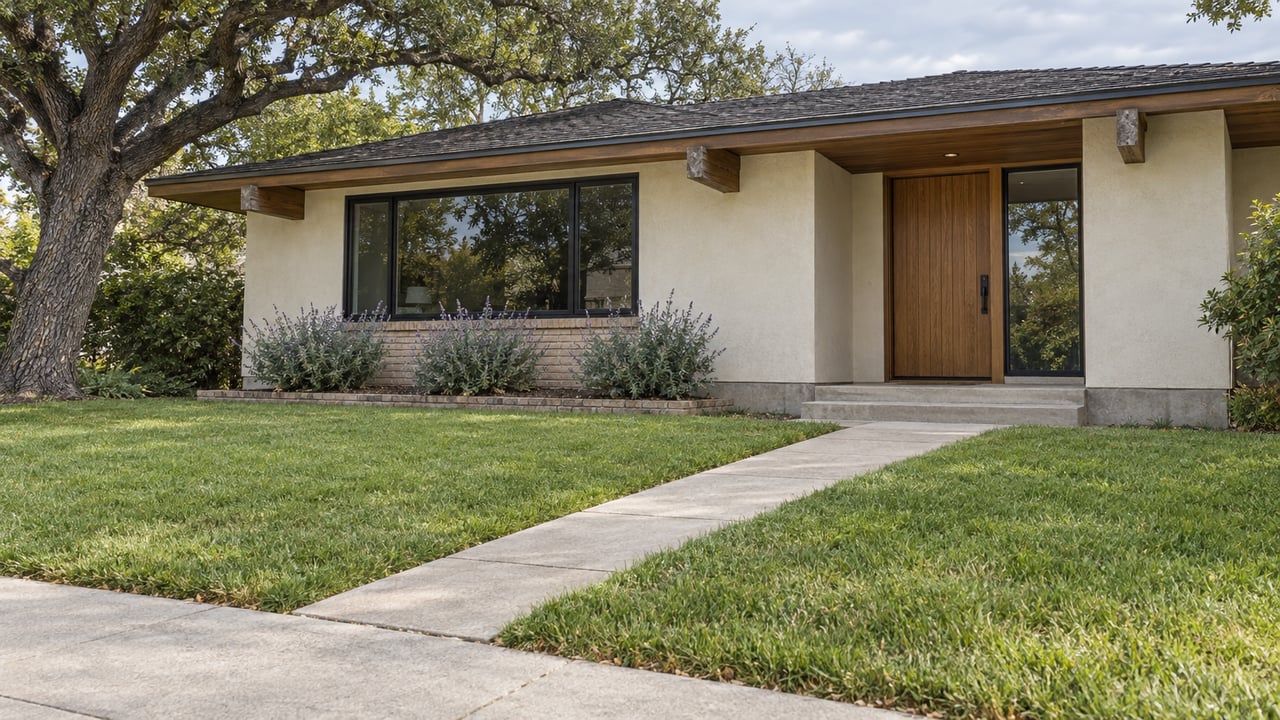
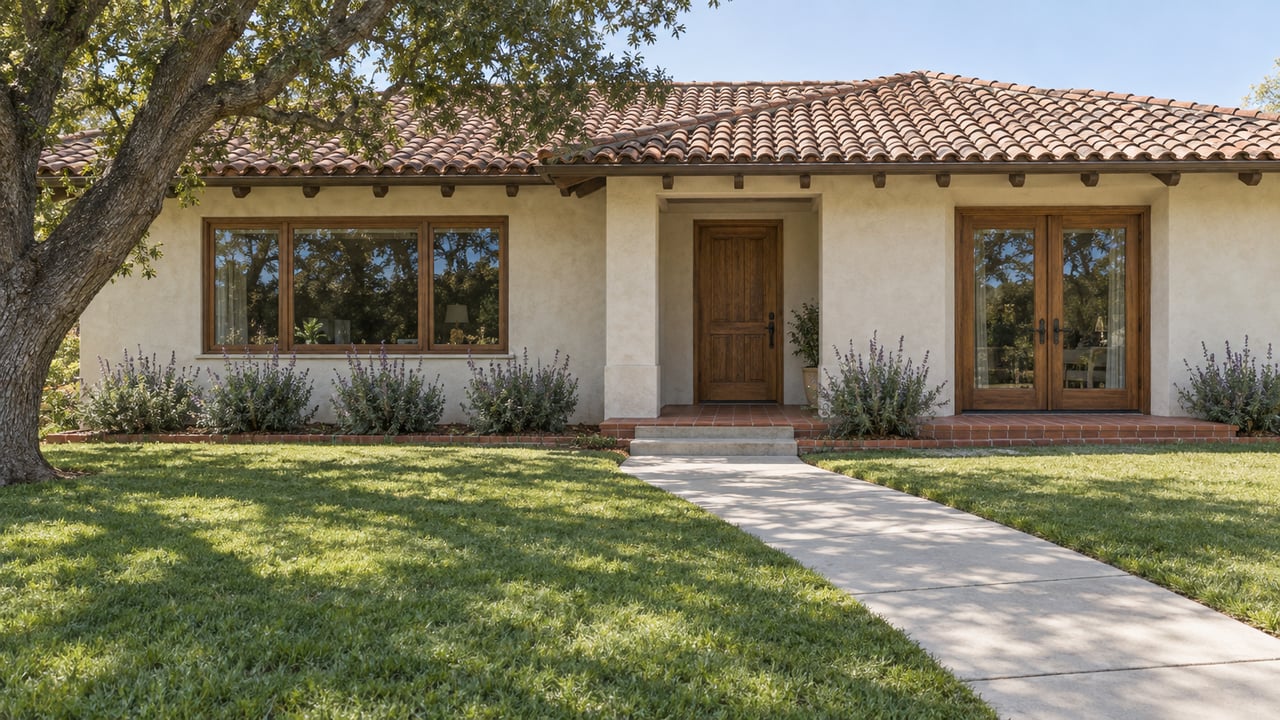
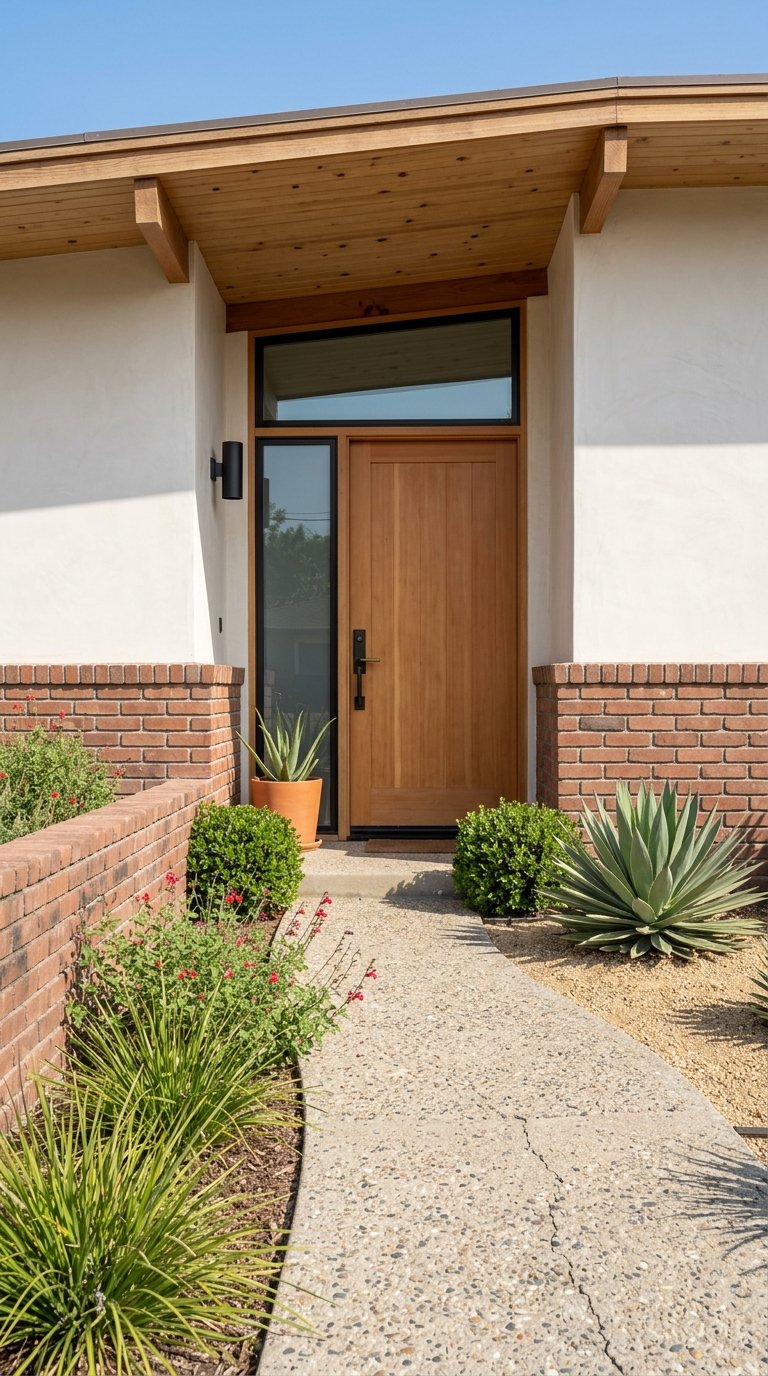
In Fisher Park, the front yard does real storytelling work. Since the neighborhood is known for its trees, green space, and beautification culture, the exterior should feel inviting, orderly, and in step with the home’s architecture.
That does not mean overbuilding the landscape. In many cases, a thoughtful clean-up, fresh mulch or gravel, trimmed planting, and a more intentional front entry can have a stronger impact than a full redesign.
Choose Drought-Tolerant Landscaping
Santa Ana allows drought-tolerant landscaping throughout the city, and synthetic turf is allowed as a landscape feature if it does not exceed 50% of the landscape area. Local and state guidance also supports climate-appropriate planting that stays attractive while reducing water use and maintenance.
The California Department of Water Resources says a well-designed native, drought-tolerant garden can use 85% less water per year than a traditional high-water-use landscape. For many sellers, that makes a tidy, layered low-water yard a smart option that looks polished in photos and practical in person.
Check Front-Yard Design Rules
If you are planning to change fences, walls, arbors, or the edge of the yard facing the street, check Santa Ana’s front-yard design standards before starting. It is better to confirm the rules early than to spend money on materials that may not align with city guidance.
This is especially relevant if you are trying to sharpen curb appeal right before listing. Fast projects still need to be compliant projects.
Stage The Rooms That Matter Most
Staging does not have to mean turning your home into a showroom. It means helping buyers understand how the home lives. According to NAR’s staging report, the living room matters most to buyers’ agents, followed by the primary bedroom and kitchen.
That gives you a clear priority list. These spaces should feel open, bright, and easy to read, while still respecting the home’s style.
Keep Architectural Details Visible
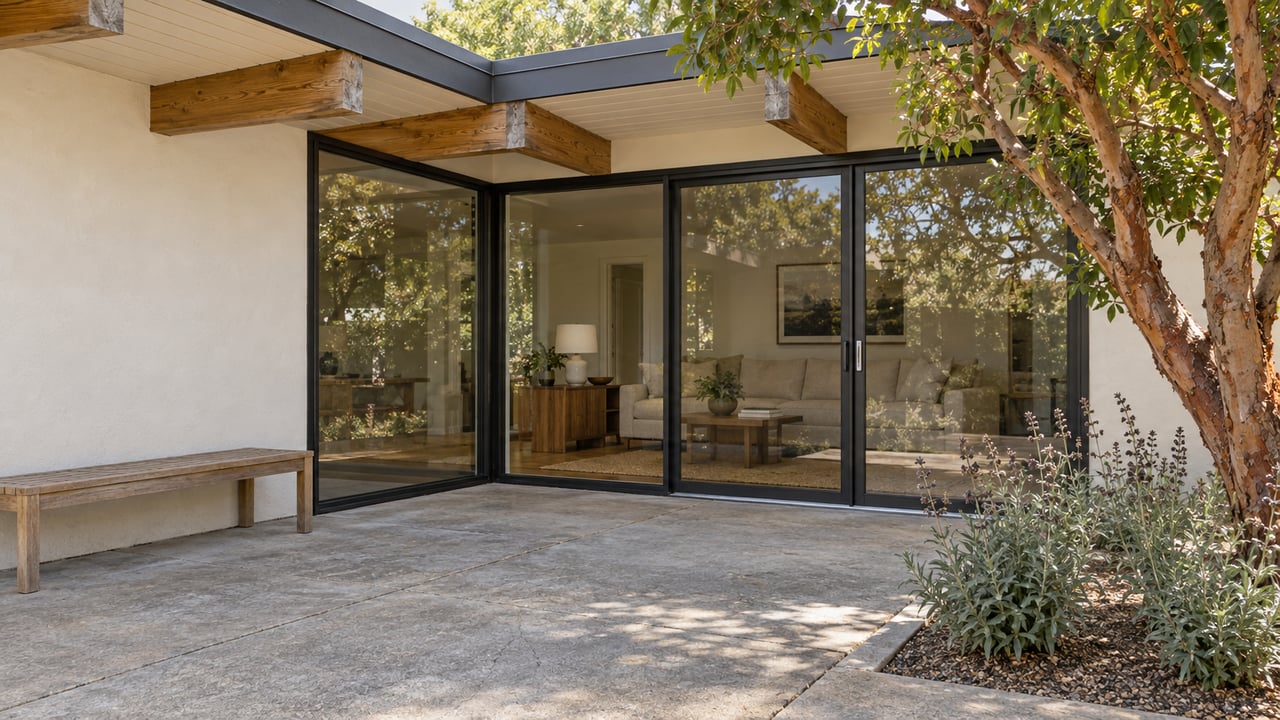
If your home has original built-ins, ceiling details, distinctive windows, or a unique room connection, do not let furniture or clutter hide them. Arrange each room so the architecture has space to speak.
For design-sensitive homes, restraint usually works better than overfurnishing. A few well-scaled pieces, clear walking paths, and balanced light can help buyers focus on what makes the home memorable.
Build A Strong Online Presentation
Because so many buyers begin online, your marketing package should explain the home, not just display it. Buyer research shows strong demand for photos, detailed property information, floor plans, neighborhood information, and videos. In other words, buyers want context as much as visuals.
That is especially important in Fisher Park, where charm may live in the relationship between rooms, the view to the yard, or the feeling created by the tree canopy and setting. Your online presentation should help buyers understand those qualities quickly.
Use Photos To Tell A Story
Good listing photography should capture more than isolated room corners. Open blinds, use balanced natural light, and make sure original details are visible. If the home has distinctive features, they should be photographed clearly and intentionally.
A floor plan can also help buyers understand how the home flows. When buyers can see how rooms connect, they are more likely to appreciate layouts that are unusual, historic, or more nuanced than a standard tract home.
Call Out Special Features Clearly
C.A.R. notes that special feature cards can be part of listing marketing. That can be helpful when a home has unusual built-ins, preserved materials, a distinctive landscape feature, or a floor plan that is easy to misunderstand in a quick showing.
The key is clarity. If there is a story behind a feature, your marketing should explain it in simple, useful terms so buyers understand what they are seeing and why it matters.
Create A Smart Sale Prep Checklist
If you want a simple way to prioritize your work, start here:
- Repair obvious defects and deferred maintenance
- Consider a pre-listing inspection
- Gather disclosures early
- Check for historic review requirements before exterior alterations
- Repaint overly bold rooms in soft, neutral tones if needed
- Deep clean windows, walls, lighting, flooring, and clutter
- Refresh the front yard with tidy, drought-tolerant planting
- Stage the living room, primary bedroom, and kitchen first
- Prepare strong photos, floor plans, and clear feature notes
A successful sale in Fisher Park usually comes from editing, not overcorrecting. When your home looks cared for and its character remains intact, buyers can connect to both the property and the neighborhood more easily.
If you are preparing to sell a home with architectural personality, thoughtful guidance can make all the difference. Kelly Laule can help you shape a prep plan that respects the home, highlights its best features, and brings it to market with clarity and confidence.
FAQs
What makes Fisher Park home sale prep different from other Santa Ana neighborhoods?
- Fisher Park is known for its history, mature trees, and beautification culture, so buyers may weigh curb appeal, setting, and original character more heavily than they would in a more conventional tract setting.
Should you get a pre-listing inspection before selling a Fisher Park home?
- A pre-listing inspection is not required, but it can help you identify repair issues early and prepare for buyer questions or negotiations before your home goes on the market.
What paint colors work best when selling a Fisher Park home?
- Soft warm whites, warm neutrals, greige, beige, taupe, soft greens, and earthy tones are generally the safest choices because they brighten the home and support its architectural details.
Do historic rules affect exterior updates on a Fisher Park home?
- They can, especially if the property has local historic designation or is a contributing property in a historic district, so exterior changes should be checked against Santa Ana’s historic preservation rules before work begins.
How important are photos and floor plans when selling a Fisher Park home?
- They are very important because buyers rely heavily on photos, detailed property information, floor plans, neighborhood context, and sometimes video when deciding which homes to visit in person.