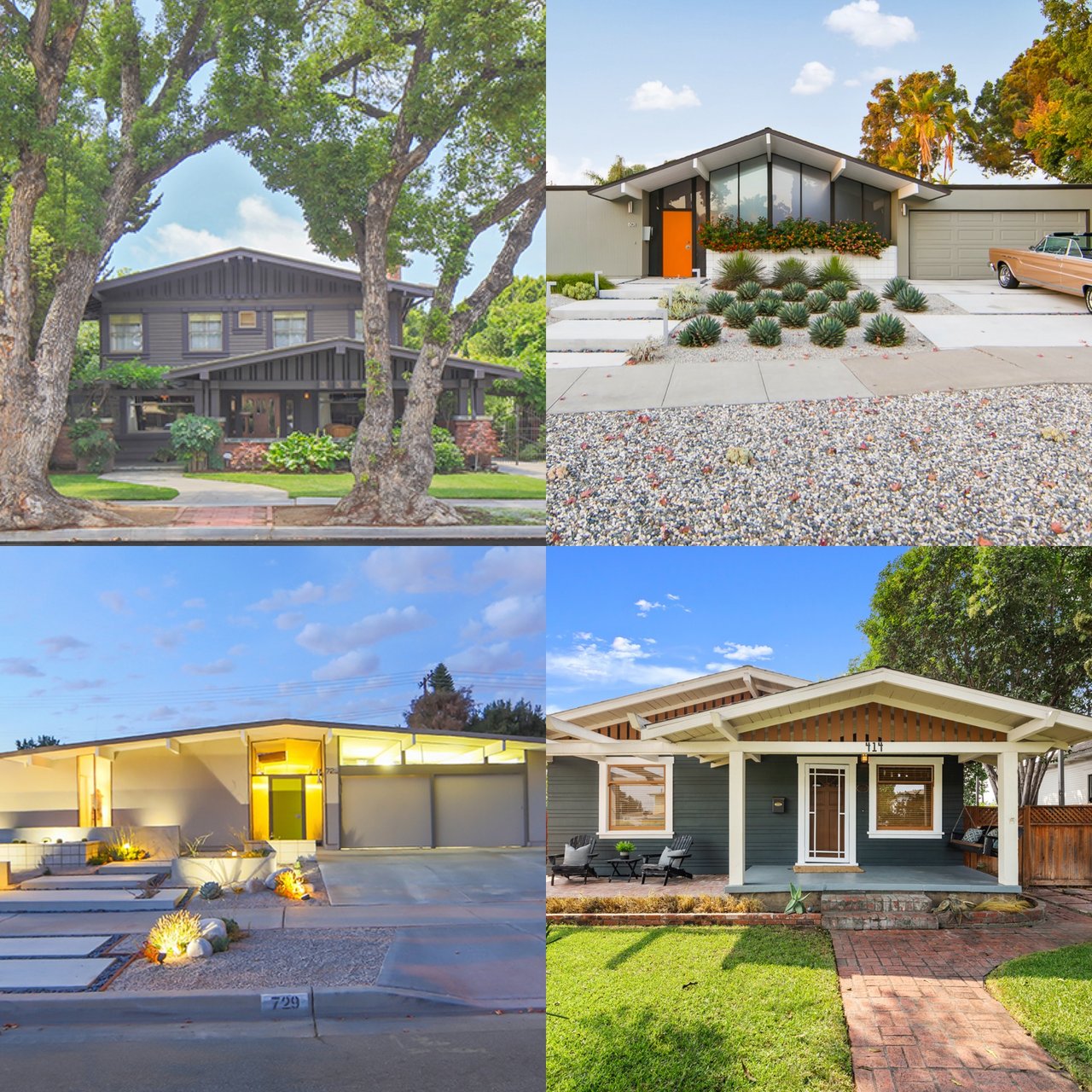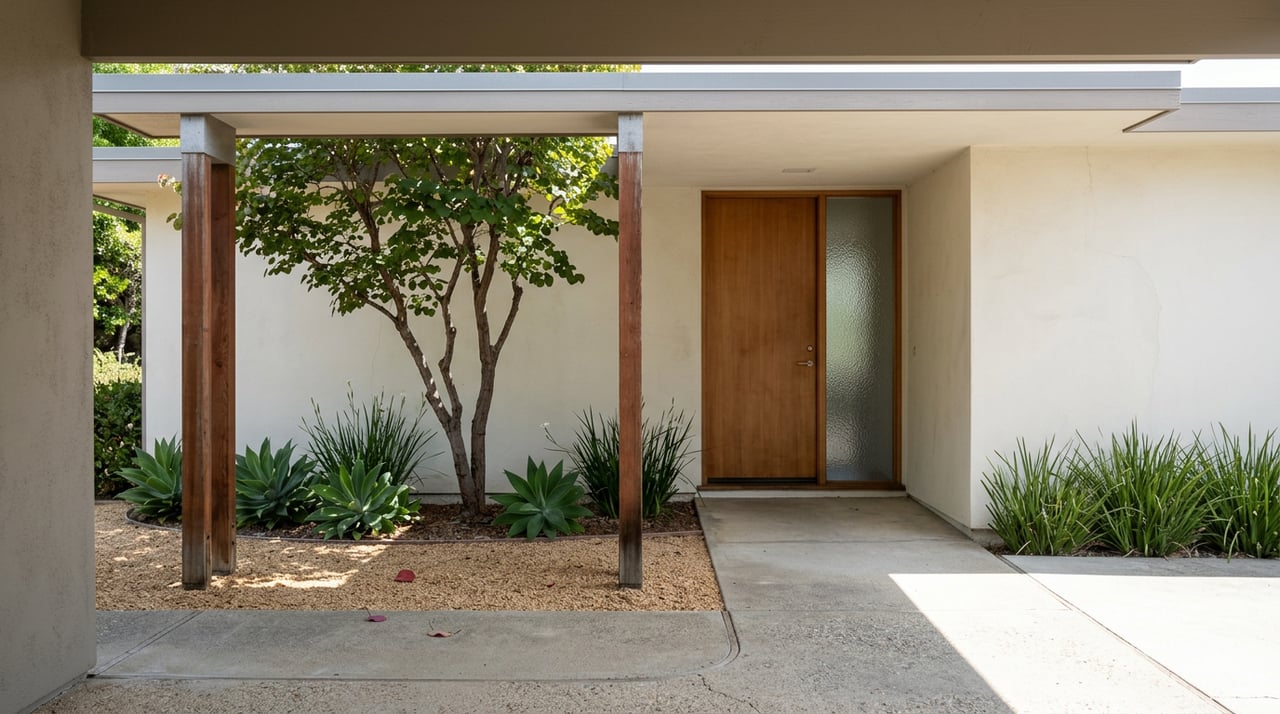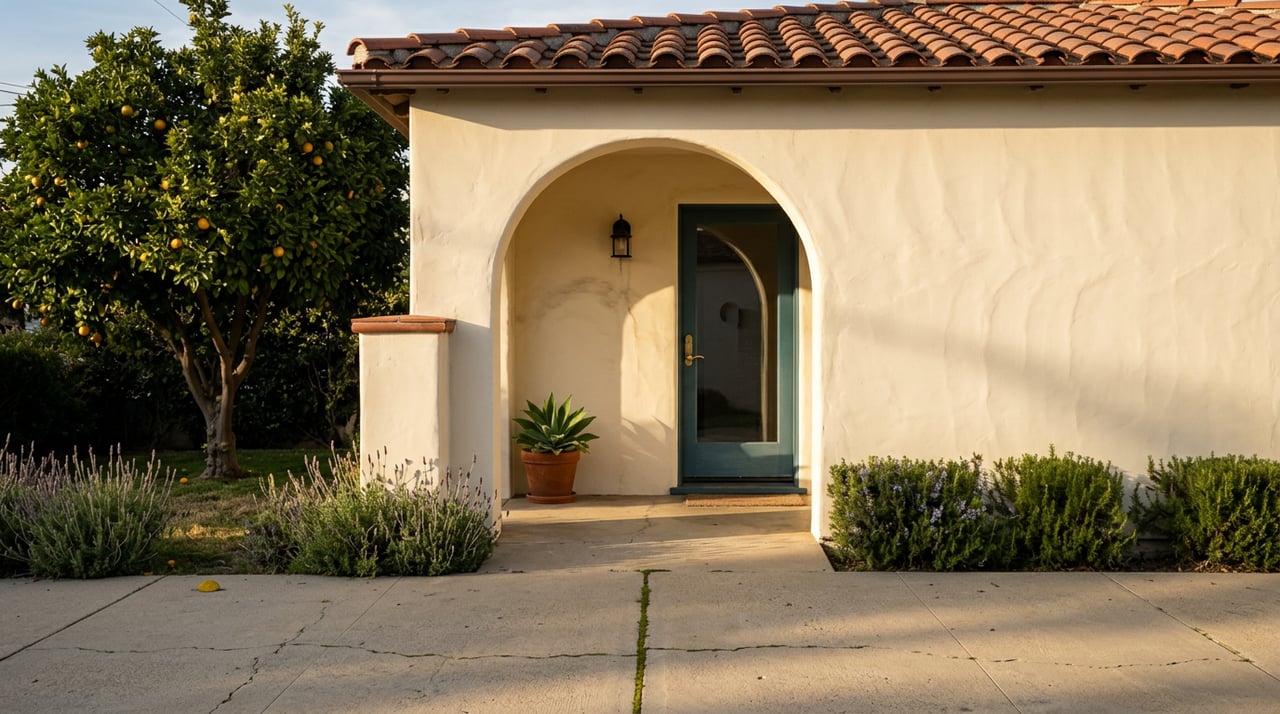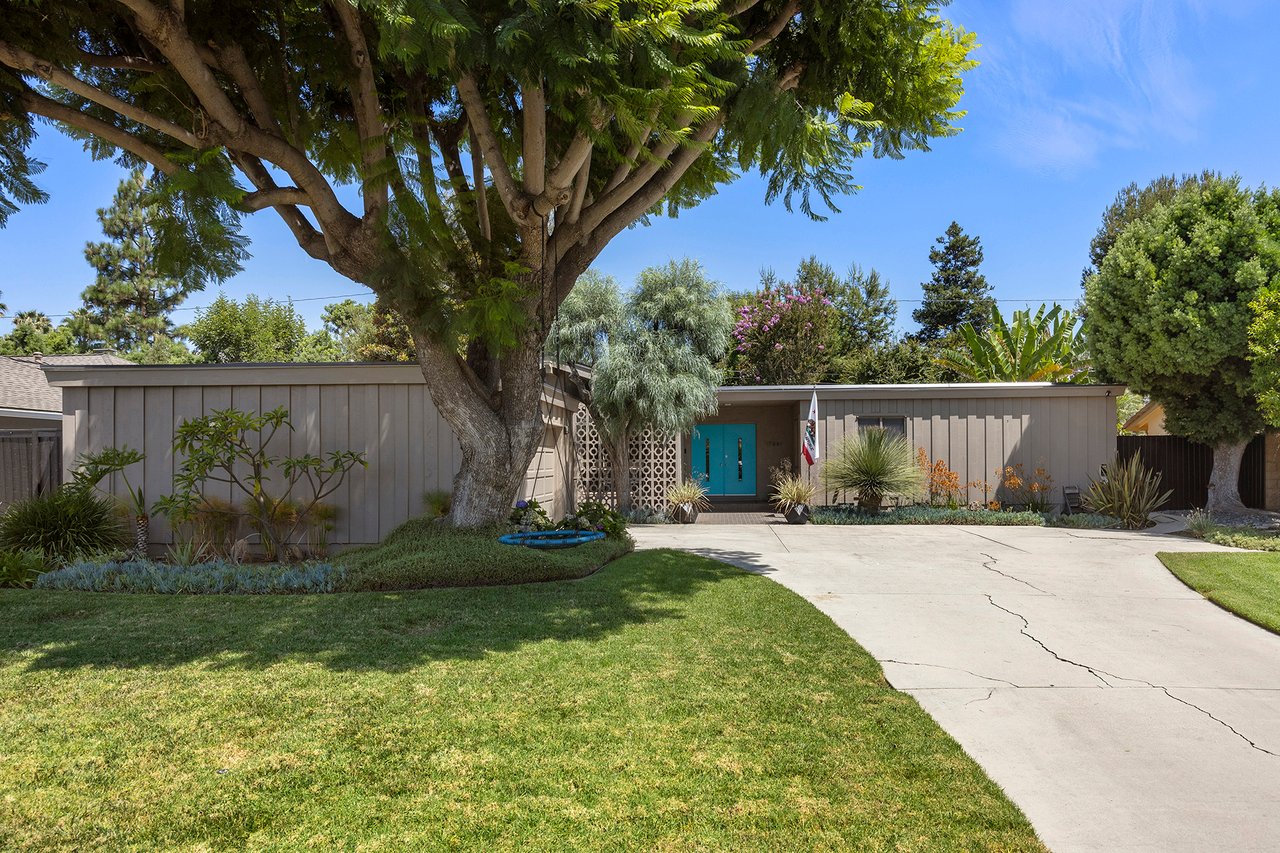
If you love Old Towne’s tree-lined streets, porch-front bungalows, and the hum of the Plaza, you are not alone. The neighborhood’s charm, small footprint, and historic protections make it one of Orange County’s most distinctive markets. In this guide, you’ll learn how inventory moves, what drives pricing, and how preservation rules shape your strategy as a buyer or seller. Let’s dive in.
What makes Old Towne unique
Old Towne is the historic heart of Orange, centered on the Plaza and Glassell. You will find a dense mix of late-19th and early-20th century homes, including Craftsman bungalows, Queen Anne Victorians, Spanish Revival cottages, American Foursquares, and early vernacular styles. The neighborhood’s walkable retail and dining core adds everyday convenience that many buyers prize.
The area is covered by local historic preservation tools and design review. Exterior changes in designated areas typically require approvals, often through a certificate-of-appropriateness or similar process. These rules influence what you can change, how you budget, and how lenders and appraisers view permitted work.
Because many homes predate 1978, you should expect standard California transfer disclosures and potential lead-based paint, pest, and older-systems considerations. Lenders and appraisers factor condition and permitted improvements into value, especially when renovation is part of the plan.
How inventory behaves in Old Towne
Supply is tight by design. There are fewer homes, many are owner-occupied, and tear-downs are rare. That means fewer listings each year and a wider performance gap between well-presented homes and those with deferred maintenance.
Seasonality mirrors the broader market, with more listings in late winter and spring. Still, because total turnover is modest, competition can stay active beyond the usual spring surge. New construction within the district is uncommon, so most opportunities come from traditional resales.
Where listings come from
- Long-time owners choosing to sell.
- Estates or sales by older owners.
- Occasional investor resales after renovation.
What to watch in the data
- Active and new listings inside Old Towne boundaries.
- Months of inventory compared with the wider City of Orange and the county.
- Median days on market and list-to-sale price ratio over the last 3–12 months.
- Turnover rate and price per square foot by style and condition.
How list price becomes sale price
Pricing in a historic district is part art and part science. Truly comparable homes are scarce, so small differences in style, integrity, and condition can move value. Sellers who invest in historically sensitive updates often see a premium over as-is offerings. Buyers aiming to modernize will discount for the cost and constraints of permitted work.
When homes sell above list
- Turnkey condition with preserved period details like original millwork, built-ins, and porches.
- Thoughtful updates to kitchens and baths, plus upgraded systems.
- Proximity to the Plaza and permitted amenities, including added baths or a compliant ADU.
When homes sell below list
- Non-compliant exterior alterations or unpermitted additions.
- Structural or system issues and significant deferred maintenance.
- Exterior restrictions that limit a buyer’s desired changes.
Architectural character and value
Many Old Towne buyers place a high value on authenticity. Original windows, moldings, and built-ins are hard to replicate and often carry real pricing power among preservation-minded buyers. Others prioritize modern layouts and systems, weighing charm against convenience.
The trade-off is manageable when upgrades are sympathetic to the home’s era. Sellers who document discreet improvements to insulation, electrical, plumbing, HVAC, and baths often broaden appeal while maintaining character.
Renovation rules and financing basics
Historic district review can shape your exterior material choices, window profiles, rooflines, and porch details. Interior projects are typically more flexible, though anything that changes the exterior will likely need approval. Factor added time and cost into your plan.
If you are financing improvements, explore options suited to older homes. Many buyers use conventional loans for move-in-ready properties. For restoration or modernization, programs like FHA 203(k) and Fannie Mae HomeStyle Renovation can help, but they require clear scopes of work and appraisals that reflect permitted plans. Some properties may benefit from property tax incentives under the Mills Act where locally adopted and individually enrolled; verify current City of Orange policies and a home’s status before you count on savings.
Practical steps for sellers
- Get a pre-listing home inspection and a pest/termite report. In California, termite clearance is common.
- Gather documentation: permit history, renovation receipts, restoration records, and any historic registry forms.
- Consult the City of Orange planning or historic preservation office about approvals for any exterior changes you plan to market as possible.
- Invest in presentation. Consider staging that highlights period features and professional photography that captures details and natural light.
- Price against true Old Towne comps. Adjust for architectural integrity, condition, and permitted improvements, not just square footage.
Due diligence for buyers
- Confirm the property’s historic status and any design review requirements that apply to exterior changes.
- Order comprehensive inspections: general, pest/termite, foundation/structural, roof, electrical, plumbing, and environmental testing appropriate for pre-1978 homes.
- Verify permits and reconcile “as-built” conditions with city records to avoid inheriting unpermitted work.
- Discuss financing early, including rehab-friendly options, and work with lenders familiar with older homes.
- Model the cost and timeline of restoration within local rules so your offer reflects realistic renovation paths.
Smart pricing and offer tactics
For sellers, the most persuasive pricing starts with nearby closeds of similar era and style, then adjusts for integrity and condition. A Craftsman with restored woodwork and updated systems is a different product than a similar-size home with deferred maintenance. Make the case with documentation and present the home as a turn-key chapter in the property’s story.
For buyers, focus your offer on verified value. Ask for recent comps inside Old Towne, line up inspections early, and clarify permit history in writing. If you plan renovations, include a realistic scope and lender conversation so underwriting and appraisal align with your goals.
Working with a design-forward local team
Old Towne rewards a careful, design-aware approach. You benefit from a partner who can read the architecture, navigate local review, and market character the right way. Better Living SoCal offers full-service representation, remodeling and staging consultation, and multimedia marketing that showcases period details for maximum impact. Ready to buy or sell in Old Towne? Connect with Kelly Laule for a tailored plan.
FAQs
Why do Old Towne homes sometimes sell for more than nearby areas?
- Constrained supply, walkable amenities, and intact historic character can create premiums, especially when condition and permitted improvements support turn-key living.
How much do preservation rules limit remodeling in Old Towne?
- Exterior changes in designated areas typically require design review; interior work is often more flexible unless it affects the exterior, so plan added time and material requirements.
What extra costs should I expect with a historic home purchase?
- Budget for thorough inspections, potential remediation for older materials, and historically sensitive repairs that may require specific methods or approvals.
Can I use a renovation loan for an Old Towne property?
- Yes, options like FHA 203(k) or Fannie Mae HomeStyle Renovation can fund updates, but you will need a defined scope, contractor bids, and an appraisal aligned with permitted plans.
Are there property tax incentives for Old Towne homes?
- Some properties may qualify for Mills Act contracts where locally adopted and individually enrolled; verify current City of Orange participation and a home’s enrollment status.
What should sellers do first to maximize price in Old Towne?
- Complete pre-list inspections, compile permit and restoration records, consult the city on any claimed exterior possibilities, and stage to spotlight period features.