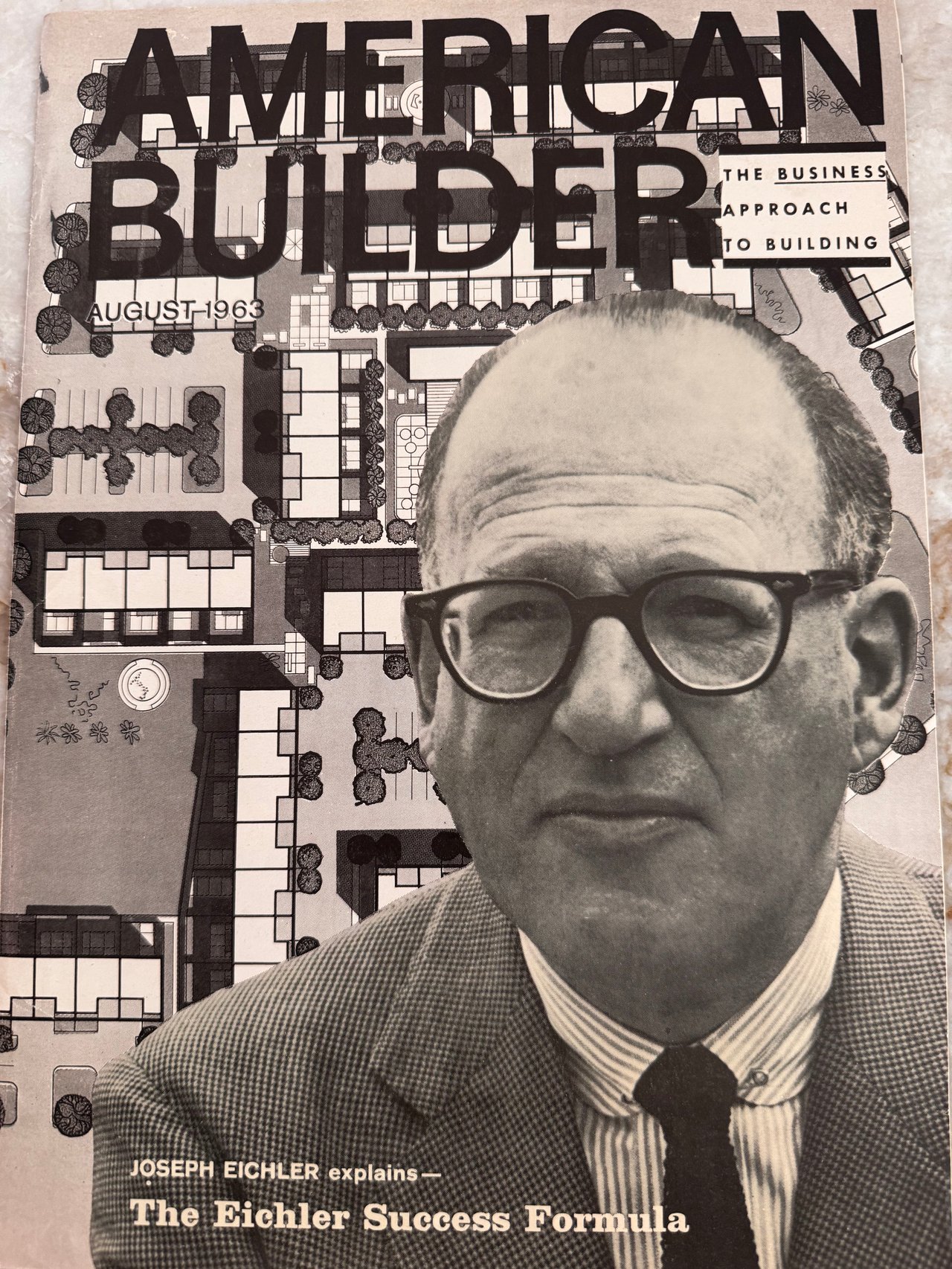
The Eichler Revolution: How One Developer Brought Modernism to the Masses
Picture this: It's 1950, and in a modest tract development in Sunnyvale, California, something extraordinary is happening. While most American subdivisions are churning out cookie-cutter colonials and conservative Cape Cods, a developer named Joseph Eichler is building something radically different—homes with walls of glass, soaring ceilings, and courtyards that blur the line between indoors and out.
Welcome to the birth of affordable modernism.
A Bold Beginning
Eichler's journey into revolutionary housing began around 1949–50, when his company started constructing modern tract developments that would fundamentally challenge what middle-class American housing could be. That first Sunnyvale project, known as Sunnymount Gardens, consisted of about 100 homes—a modest start to what would become an architectural movement.
Over the next two decades, Eichler Homes would build more than 11,000 single-family houses across California, from the late 1940s through the 1960s. But these weren't just houses. They were manifestos in wood, glass, and concrete.
The Big Idea
Eichler's genius lay in a deceptively simple concept: What if you could take the cost efficiencies of mass-produced tract housing and marry them with cutting-edge modern architecture?
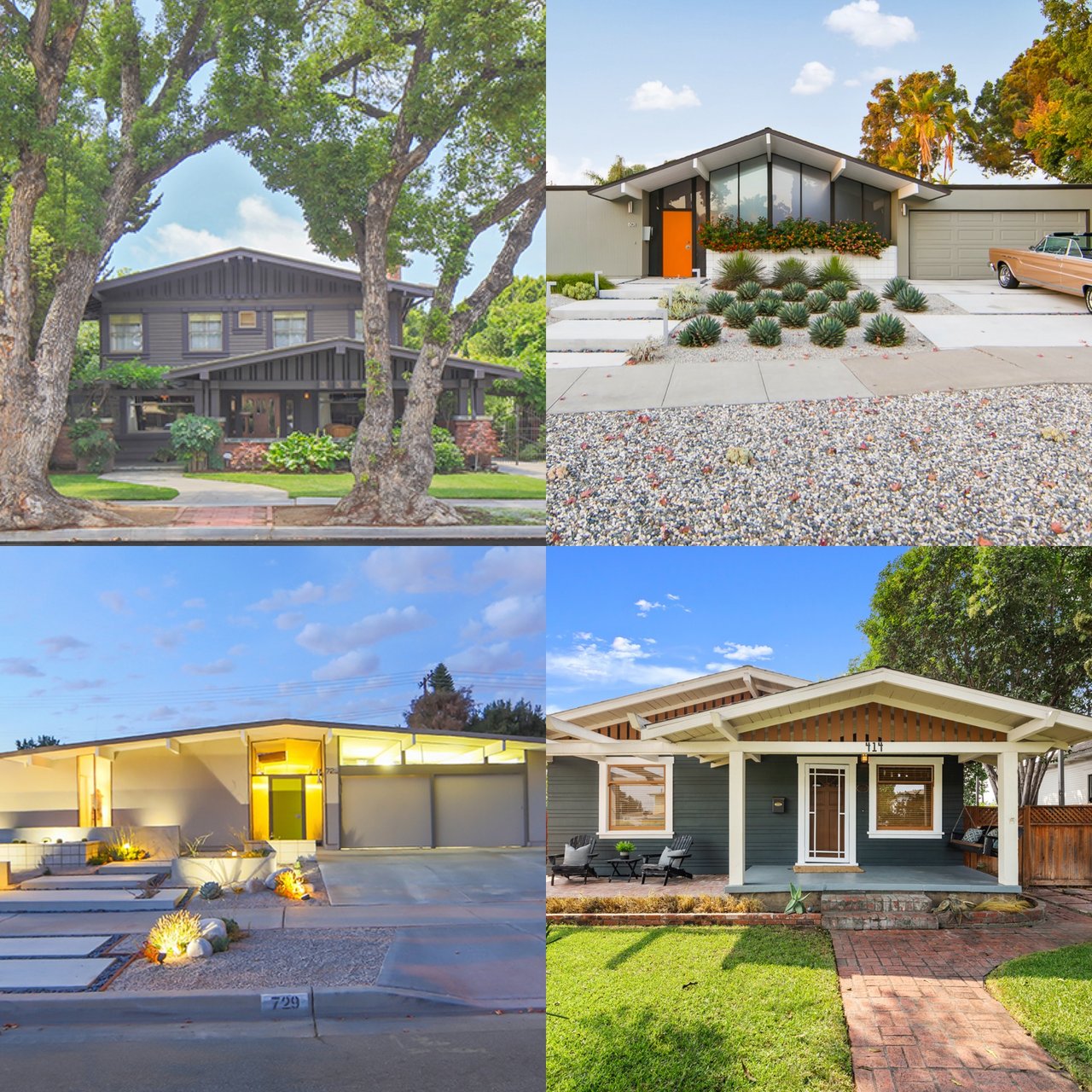
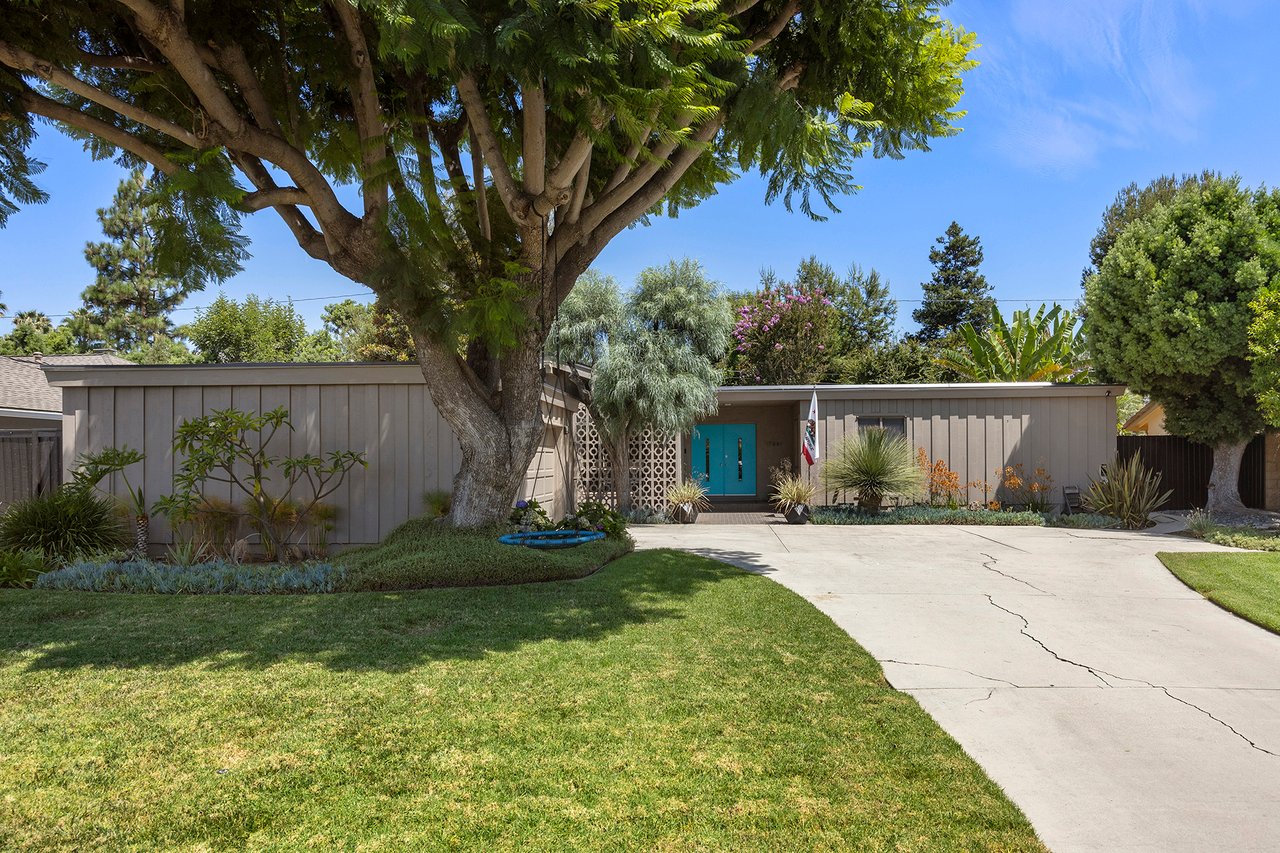
The result was homes that featured high ceilings, open floor plans, expansive walls of glass, seamless indoor-outdoor living spaces, and exposed structural elements like beams that celebrated rather than concealed how the building was made. It was Frank Lloyd Wright meets Main Street—and it was priced for teachers, engineers, and young families, not just the wealthy elite.
The Dream Team
To pull off this ambitious vision, Eichler needed architects who truly understood modernism. His first partners were Anshen & Allen, whose designs became synonymous with the Eichler aesthetic: flat roofs, clerestory windows (those high horizontal windows that flood interiors with light), open plans, and materials like tongue-and-groove wood ceilings paired with radiant-heated concrete slab floors.
As the business grew, so did the architectural roster. Eichler brought in Los Angeles-based talents A. Quincy Jones and Frederick Emmons, along with Bay Area architect Claude Oakland. Each contributed their own interpretations while maintaining the core modernist principles that defined the Eichler identity.
Innovation in Every Detail
The Eichler homes introduced several design innovations that were virtually unheard of in tract housing:
Post-and-beam construction transformed the possibilities of residential design. With the structure clearly expressed and doing the heavy lifting, interior walls became flexible, movable, optional. Spaces could breathe and flow into one another.
Radiant heating embedded directly in the concrete slab foundation was a luxury feature that Eichler made standard. Imagine: warm floors throughout the house, with no radiators or bulky heating vents to interrupt the clean lines.
Glass walls, atriums, and sliding doors weren't just design flourishes—they were a philosophy. Indoor-outdoor living meant your patio was an extension of your living room, your courtyard garden was part of your home's heart. In California's temperate climate, this opened up entirely new ways of living.
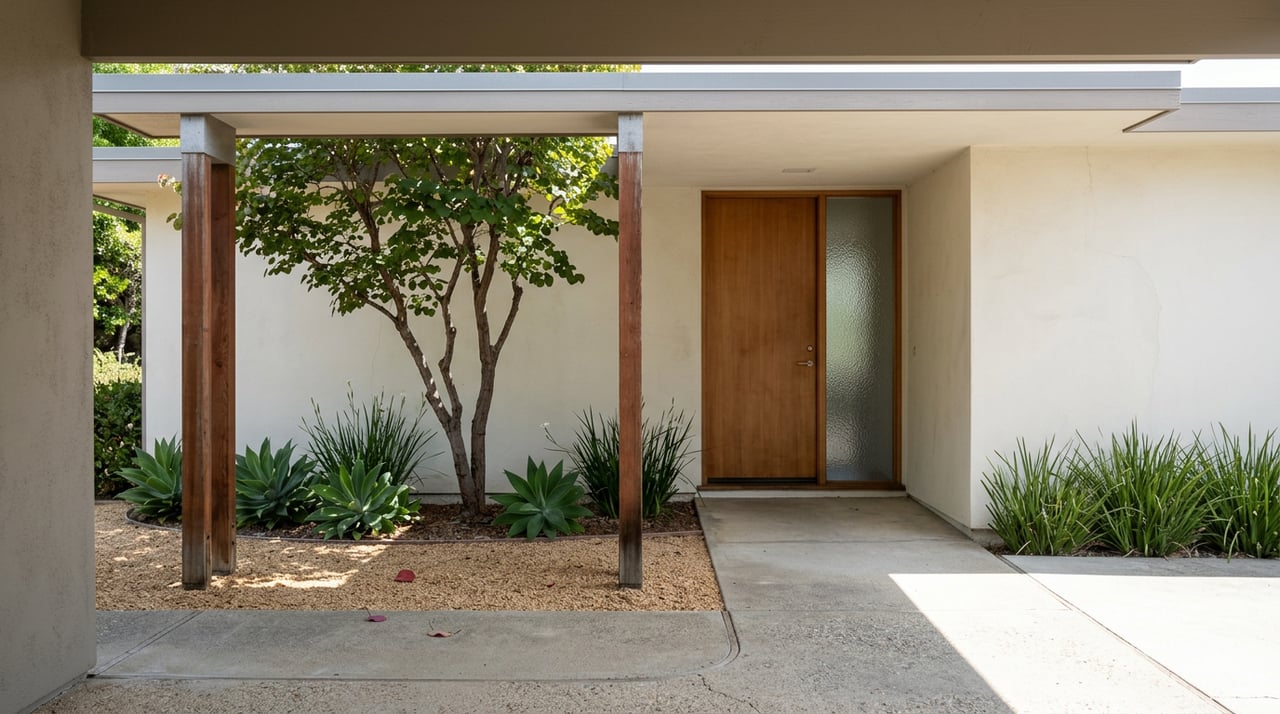
Flat or gently pitched rooflines with minimal exterior ornamentation gave the homes their distinctive profile—clean, horizontal, modern. No fussy trim, no Colonial columns, no fake shutters. Just honest materials expressing their true nature.
But perhaps the most radical innovation was conceptual: Eichler wasn't just selling houses. He was selling a lifestyle—modern living that included community, connection to nature, and the belief that good design wasn't a luxury but a right.
Democracy in Design
Here's what made Eichler truly revolutionary: his commitment to accessibility. While custom modernist homes of the era could easily cost a fortune (available only to wealthy clients commissioning architects like Richard Neutra or Pierre Koenig), Eichler democratized the movement.
His early tracts, including those 50-home developments, were priced around $10,000 each—affordable for middle-class families in the 1950s. You didn't need to be rich to live in a home designed with integrity, quality materials, and spatial generosity. You just needed to be willing to embrace something different.
A Legacy in Glass and Beam
Today, Eichler homes are treasured by preservationists and design enthusiasts alike. They command premium prices in the real estate market and inspire fierce devotion from their owners. But their true legacy isn't in their current market value—it's in the proof of concept they provided.
Joseph Eichler proved that good design doesn't have to be expensive, that tract housing doesn't have to be boring, and that modernism wasn't just for museums and millionaires. It could be for everyone.
In sunny California subdivisions, behind their signature glass walls and under their flat roofs, Eichler homes still stand as testaments to a time when one developer dared to believe that middle-class Americans deserved beauty, innovation, and modern living—all for about the price of a decent car.
That's not just good business. That's revolution.