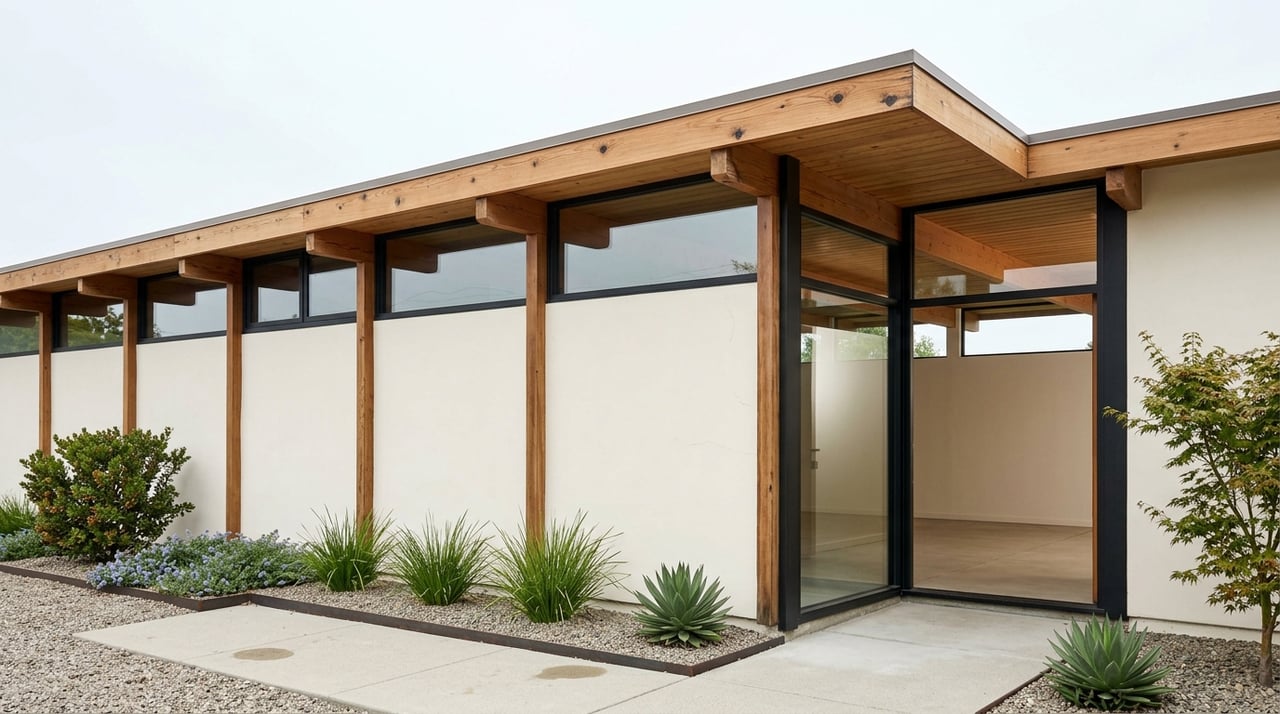
If you love mid-century design, an Eichler in San Mateo can feel like the dream: walls of glass, open post-and-beam lines, and that signature indoor-outdoor flow. But owning one is not quite the same as owning a conventional house, especially in San Mateo Highlands, where these homes are part of the neighborhood’s identity. If you are thinking about buying, updating, or caring for one, this guide will help you understand the practical side of Eichler ownership in South San Mateo. Let’s dive in.
Why San Mateo Eichlers stand out
San Mateo’s best-known concentration of Eichler homes is in San Mateo Highlands, with a smaller group in 19th Avenue Park. The Highlands is especially significant because it is considered Joseph Eichler’s largest tract, with about 650 homes built from 1955 to 1964 along a ridge in southwest San Mateo.
That setting is part of the appeal. You are not just buying a house style. You are buying into a neighborhood with a strong architectural identity and a long-standing community anchor in the Highlands Recreation District, which was formed in 1957.
For design-minded buyers, that consistency matters. It helps explain why the area continues to draw attention from people who value original architecture, natural light, and a clear sense of place.
What makes an Eichler different
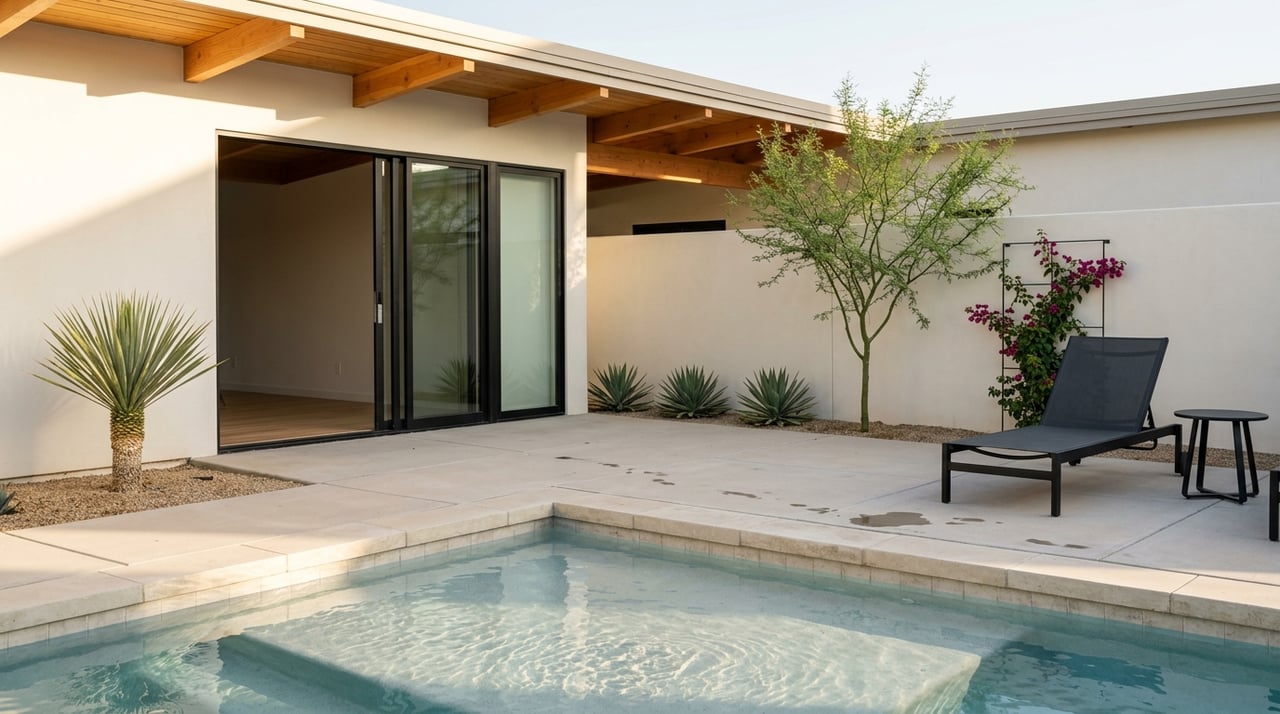
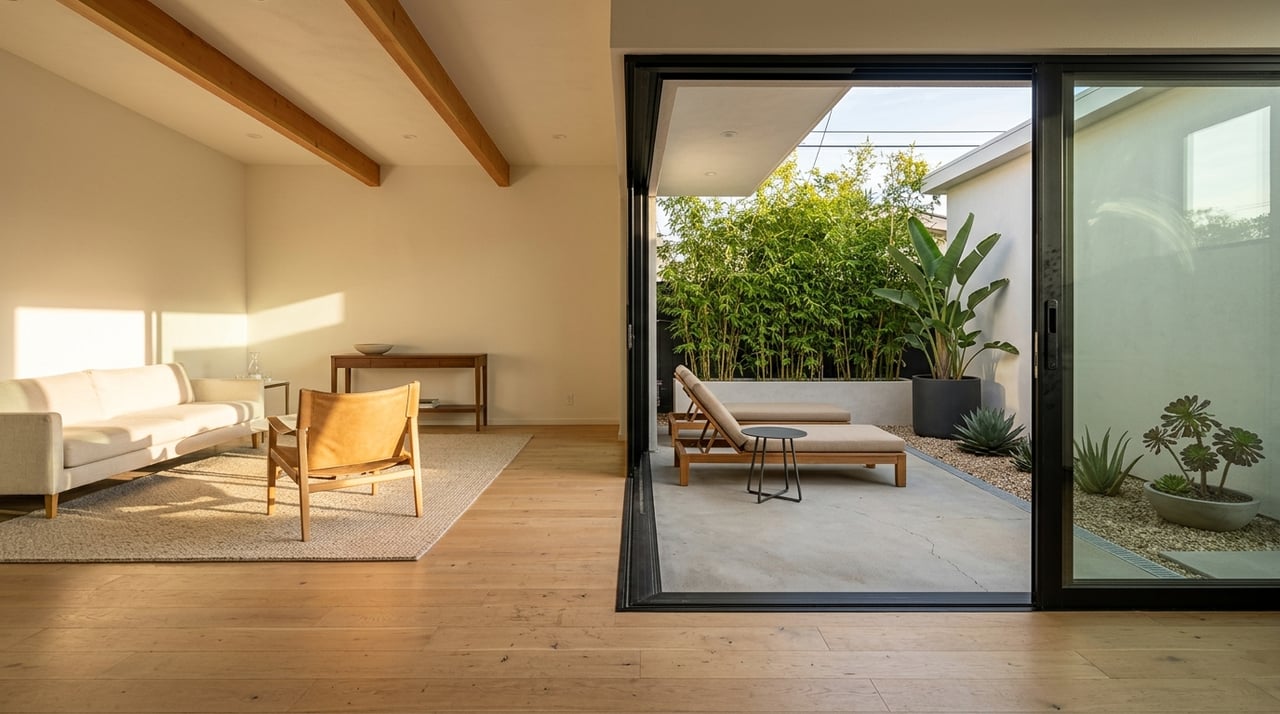
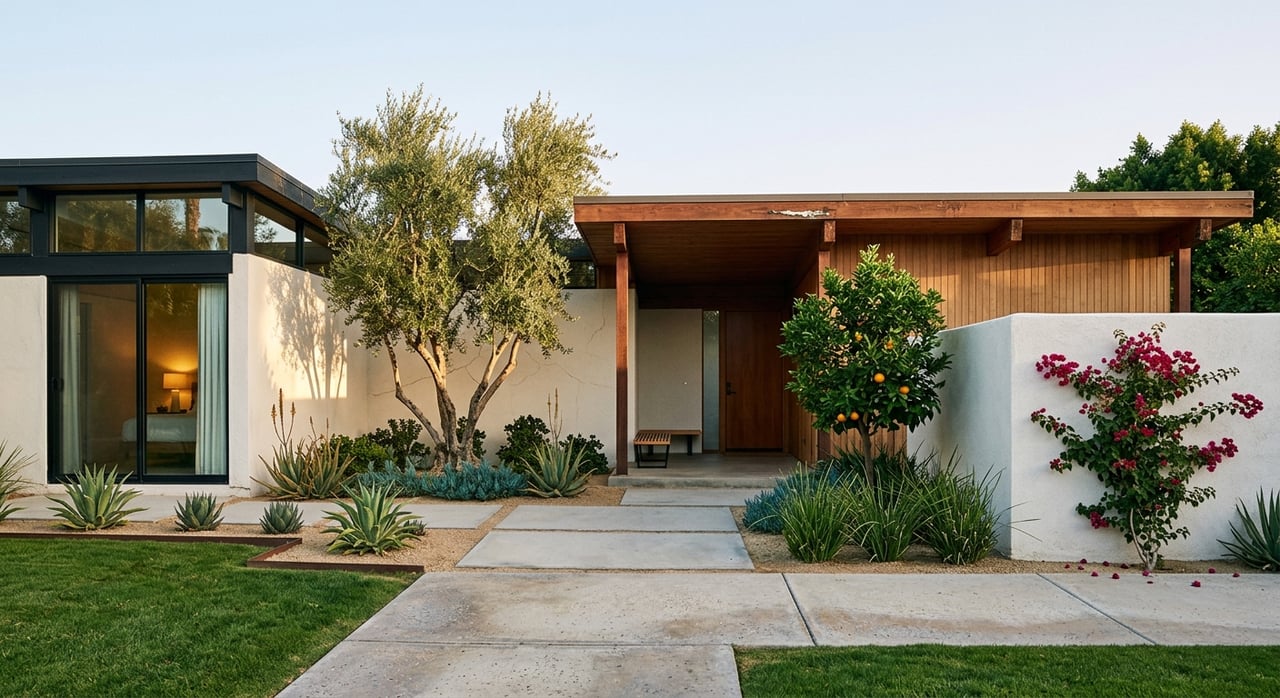
Eichlers are known for post-and-beam construction, slab-on-grade floors, radiant heat, and expansive glass. Many also include an atrium or courtyard that blurs the line between inside and outside.
Those same features are what make ownership more specialized. In many Eichlers, there is no attic or conventional crawlspace, so systems can be harder to access than they are in a typical house.
That means the design is doing a lot of work. The roof, beams, glass, and slab are not just visual features. They are major parts of the home’s structure and envelope, which is why deferred maintenance can become more noticeable faster.
Start with the big three systems
If you own an Eichler, or hope to, three systems deserve early attention: the roof, radiant heat, and electrical. Even when a home looks updated cosmetically, these are often the areas that shape comfort, cost, and long-term upkeep.
Roof care comes first
Low-slope roofs are part of the Eichler look, but they can be less forgiving than pitched roofs. Ponding water and drainage issues are more common, and Bay Area roofers often re-roof these homes on a roughly 12-to-15-year cycle.
Skylights also deserve close attention. Older skylights can leak, collect condensation, or fail in high wind if installation details are not right.
If you are budgeting for ownership, roof work should sit near the top of the list. It often makes sense to coordinate roof repair or replacement with beam repair, exterior paint, siding, or skylight work during the dry season.
Radiant heat needs regular monitoring
Radiant floor heat is one of the signature Eichler features that owners love, especially in cooler weather. A well-maintained closed-loop system can last for decades, but it needs routine professional attention.
The biggest concern is system failure tied to leaks, oxygen exposure, and corrosion, especially in older steel systems. Original pumps and boilers may also need ongoing care or replacement over time.
If you are evaluating a home, ask about inspection history and maintenance records. A functioning radiant system is a major asset, but it is not something you want to treat as an afterthought.
Electrical upgrades can be complex
Electrical is a common modernization item in Eichlers because many original layouts were built around older code standards. Original service panels were often only 60 to 100 amps, and some homes may have limited grounding or outdated bathroom circuit layouts.
The challenge is access. Without an attic, and with many wire paths routed under the slab, adding circuits during a remodel can be more complicated than in a conventional home.
If you plan to update kitchens, baths, lighting, or HVAC-related equipment, electrical planning should happen early. In an Eichler, hidden infrastructure often drives the scope and cost of a project.
Focus on the building envelope
When owners talk about comfort in an Eichler, the conversation often comes back to the envelope: roof insulation, glazing, and air sealing. Many original homes were built with thin roof insulation and single-pane glass, so those areas tend to have the biggest effect on everyday comfort and utility bills.
This is where practical upgrades can make a real difference without losing the spirit of the architecture. Better thermal performance can help the home feel more livable year-round while respecting the original design intent.
Window strategies in 2026
In California, energy rules apply not only to new construction but also to additions and alterations. For Eichler owners, that means window and envelope upgrades should be planned as code-compliant alterations rather than simple cosmetic swaps.
One practical option the California Energy Commission has highlighted is a secondary window system. These systems can be added to the interior or exterior of an existing window to improve thermal performance over single-pane glass, often with less disruption than full replacement.
That can be especially useful in an Eichler, where the glass is central to the architecture. If preserving the visual character matters to you, it is worth exploring upgrade paths that improve performance without completely changing the look.
Know the local review rules
A lot of buyers assume that owning an Eichler in San Mateo automatically means district-level historic restrictions. In practice, the City of San Mateo’s preservation rules matter more at the property level than at the neighborhood level.
San Mateo Highlands is not currently identified in the research as a locally designated historic district. The city says its historic resource inventory is based largely on an older survey, and current rules apply to individually eligible or listed National Register properties and contributors to the Downtown Historic District.
That said, review can still come into play. For older properties that are not yet surveyed, a planning application involving substantial demolition can trigger a Historic Resources Evaluation and CEQA review.
When remodels may need review
If a property is individually eligible or listed as a historic resource, exterior alterations or additions can require planning review and architectural historian input. Interior work is usually less regulated.
This matters if you are thinking beyond cosmetic updates. Before you start a major exterior remodel, it is smart to understand whether your scope could trigger additional review.
Insurance should be part of your plan
In California, insurance is no longer something to leave until the last minute. For Eichler buyers in South San Mateo, it should be part of your due diligence before contingencies come off.
The California Department of Insurance says the FAIR Plan is the insurer of last resort and provides limited coverage for fire, smoke, and internal explosion. Homeowners often need a separate Difference in Conditions policy for broader coverage.
That does not mean every owner will need that route, but it does mean you should shop early and understand your options. Waiting too long can create stress in a transaction and affect your monthly ownership costs.
Wildfire context in southwest San Mateo
San Mateo’s official wildfire guidance adds useful context. Hazard maps measure hazard, not risk, and they do not account for mitigation efforts.
The city’s 2040 safety element says west and southwestern San Mateo include wildland-urban interface and very-high-hazard areas where defensible space, roof clearance, access, and fire-safe construction matter. The practical takeaway is simple: mitigation steps may influence insurance access, pricing, and peace of mind.
The California Department of Insurance also notes that wildfire mitigation actions can qualify for discounts under the Safer from Wildfires program. For owners in this part of San Mateo, that makes prevention part of the ownership model, not just a seasonal checklist.
How Eichlers hold value
Part of the appeal of owning an Eichler in San Mateo is long-term desirability. The Highlands continues to command a premium compared with the broader city market, though monthly data can swing because sales volume is small.
In March 2026, the reported median sale price in San Mateo Highlands was $2.8 million, compared with $1.65 million for the broader city. Based on those figures, the Highlands traded at roughly a 70% premium, with homes selling in about 10 days versus about 13 days citywide.
That premium reflects scarcity, strong architectural identity, and neighborhood recognition. But it does not mean appreciation is automatic.
Your long-term ownership outcome depends a lot on how well you manage the practical issues: roof, radiant heat, glazing, electrical, and insurance. In other words, the same details that make an Eichler special are often the same details that shape resale.
A practical owner checklist
If you are evaluating an Eichler in South San Mateo, start with a short list of priorities:
- Inspect roof drainage and overall roof age
- Review skylight condition and installation quality
- Ask for radiant heat maintenance records
- Check electrical service size, grounding, and upgrade history
- Look for signs of water intrusion at the slab or atrium areas
- Budget for envelope improvements such as insulation, glazing, and air sealing
- Shop insurance early and ask about wildfire mitigation options
- Confirm whether a major exterior project could trigger city review
This kind of planning helps you move from admiration to stewardship. That is the real shift in owning an Eichler well.
If you are drawn to Eichlers, you are probably not looking for a generic house. You are looking for architecture with presence, history, and a very specific way of living. In San Mateo, especially in the Highlands, that can be deeply rewarding if you go in with clear eyes and a practical plan.
If you want guidance on buying, positioning, or thoughtfully preparing an architecture-forward home for the market, Kelly Laule brings a design-aware, client-first approach to every step.
FAQs
What should you inspect first in a San Mateo Eichler?
- Start with roof drainage, skylights, radiant heat condition, electrical service, and any signs of water intrusion at the slab or atrium areas.
Can an exterior Eichler remodel in San Mateo trigger review?
- Yes. Exterior alterations or additions to individually eligible or listed historic resources can require planning review, and substantial demolition on older unsurveyed properties can trigger a Historic Resources Evaluation and CEQA review.
Are San Mateo Highlands Eichlers in a local historic district?
- Based on the research provided, the Highlands is not currently identified as a locally designated historic district, so preservation rules generally matter more at the individual property level.
What energy upgrades make the most sense for an Eichler home?
- The most practical improvements usually focus on roof insulation, glass performance, and air sealing, since many original Eichlers have thin insulation and single-pane glazing.
Should you shop insurance before buying an Eichler in South San Mateo?
- Yes. Insurance should be part of due diligence early in the process, especially because California coverage options can be more complex and mitigation steps may affect access and pricing.
Why do Eichlers in San Mateo Highlands often sell at a premium?
- The premium appears tied to scarcity, strong architectural identity, neighborhood reputation, and community amenities, though small monthly sales volume can make short-term pricing more volatile.