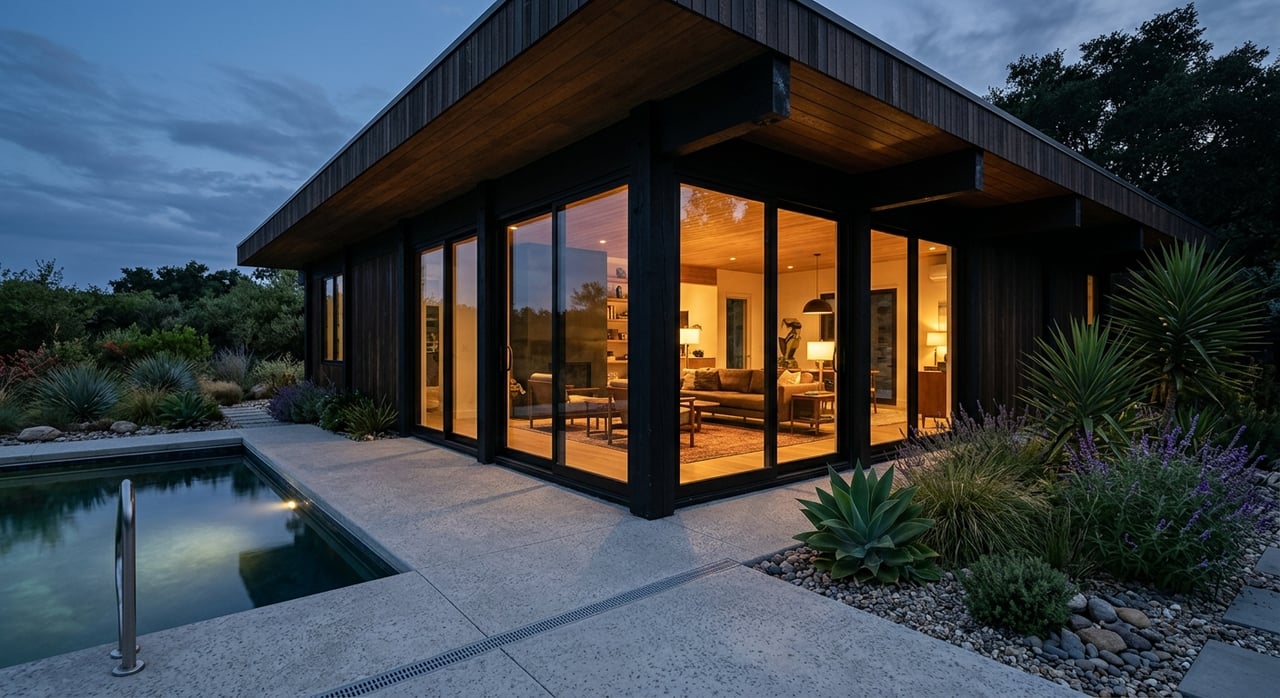
If you want Palm Springs style without jumping to the city’s highest price points, College Park deserves a closer look. This part of Palm Springs offers a mix of desert-lifestyle features, a more approachable entry price, and real investment questions that matter if you are buying with long-term value in mind. Whether you are searching for a second home, a design-minded renovation project, or a property with rental potential, understanding how College Park fits into the local market can help you buy more confidently. Let’s dive in.
Why College Park Stands Out
College Park is not just a small pocket of homes. In Palm Springs planning documents, the broader College Park specific-plan area has been described as roughly 510 acres in north Palm Springs, with both built-out areas and land that may support future redevelopment, multifamily housing, commercial uses, and second units.
That bigger planning story matters because College Park is more than a simple neighborhood label. It sits at the intersection of lifestyle, housing variety, and long-term land-use potential, which gives it a different feel from Palm Springs neighborhoods that are known mainly for tightly defined architectural pedigrees.
Mid-Century Character Without Trophy Pricing
Palm Springs is closely tied to modernist design, and that identity shapes expectations across the city. The city’s Community Design Element describes Palm Springs as best known for Mid-Century Modern architecture, and events like Modernism Week continue to reinforce that design culture across multiple neighborhoods.
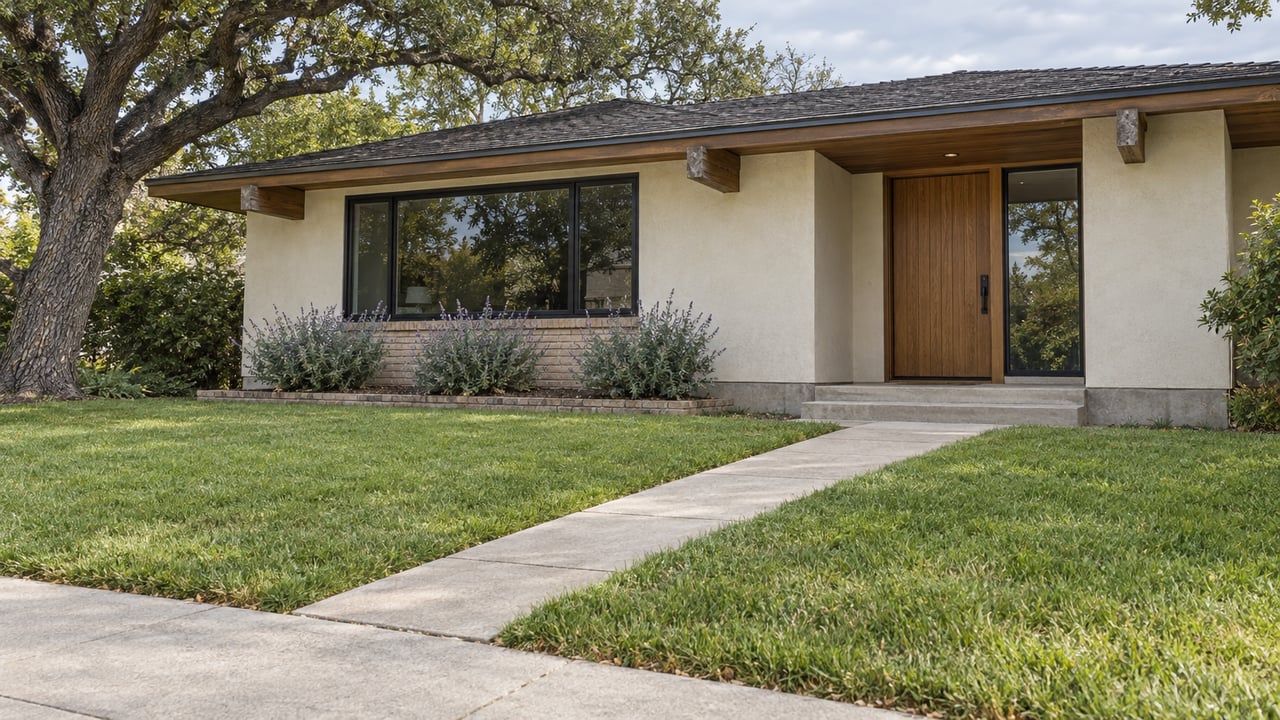
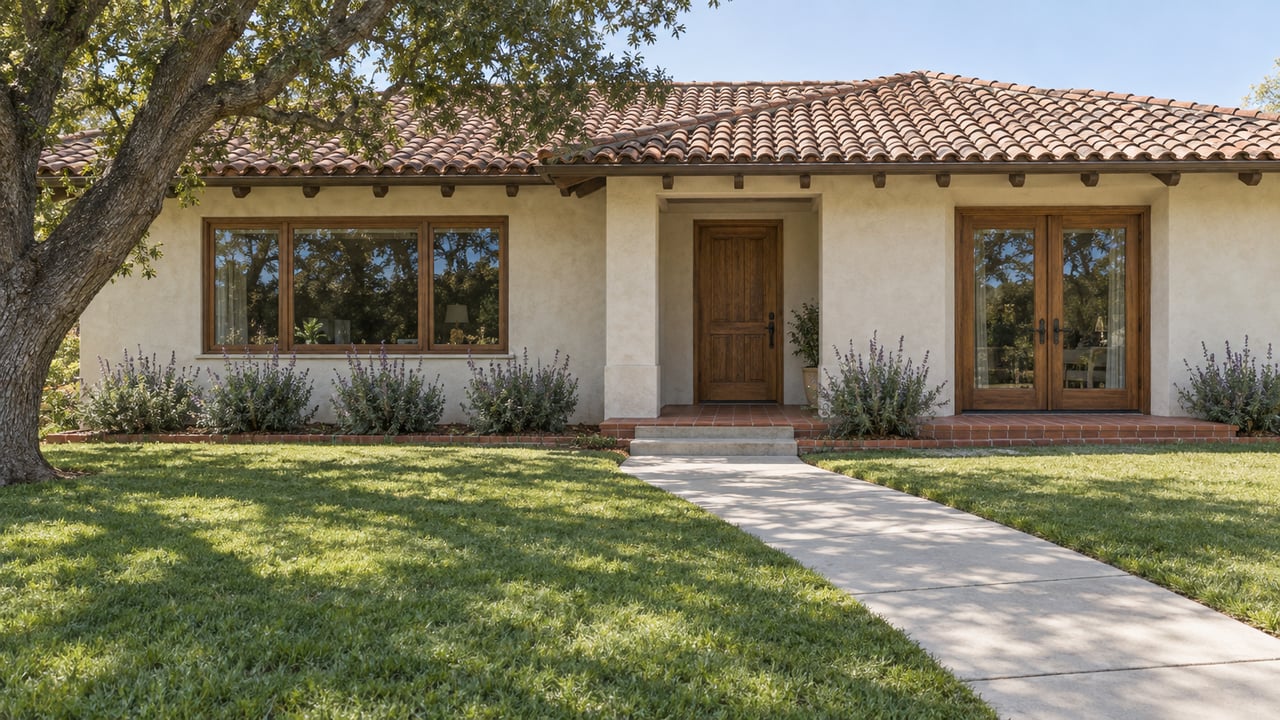
In College Park, the housing stock is mixed rather than ultra-exclusive. Current inventory points to a blend of homes, condos, and rentals, which makes the area feel more like a broad value-and-lifestyle corridor than a single historic tract with one consistent home type.
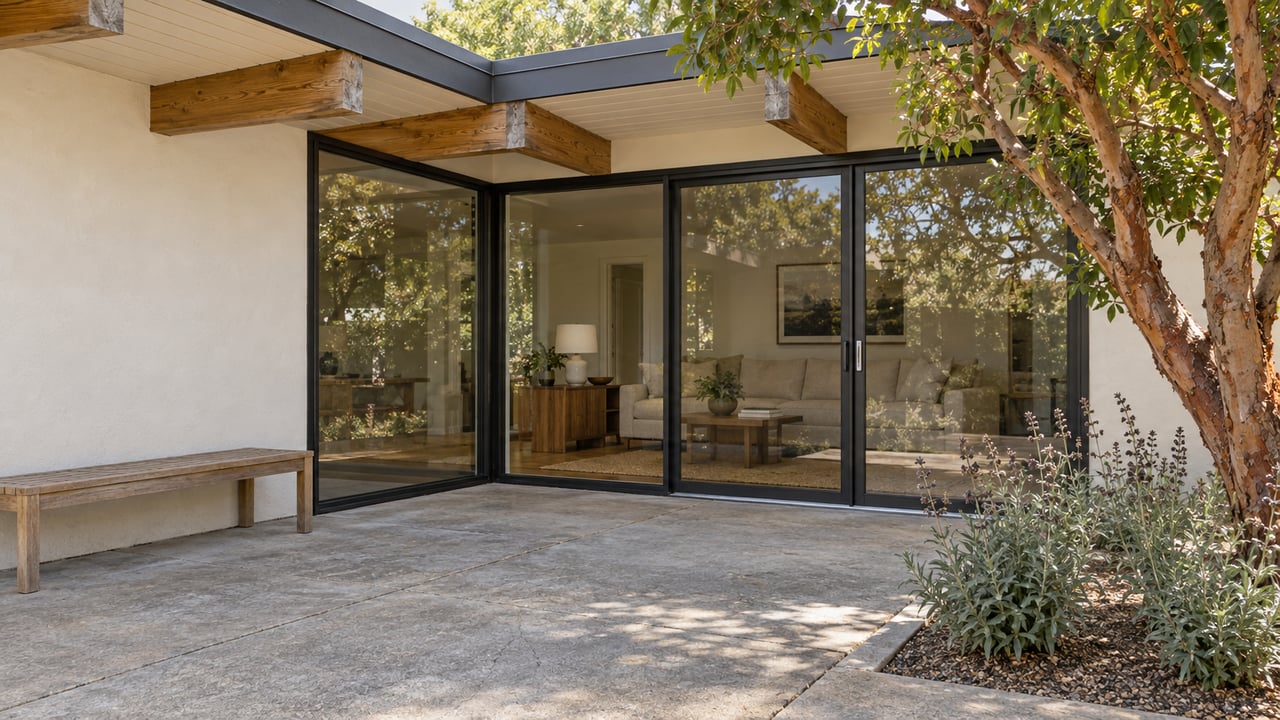
That said, the visual appeal still feels very Palm Springs. Current listings highlight features like mountain views, pools, courtyards, clerestory windows, open layouts, and indoor-outdoor living, all of which fit the desert-modern lifestyle many buyers want.
What the Design Appeal Looks Like
If you are drawn to architecture and atmosphere, College Park can still deliver the cues that make Palm Springs special:
- Open, light-filled interiors
- Pool-centered outdoor spaces
- Courtyards and private patios
- Clerestory windows and clean lines
- Mountain-view settings
- Renovated turnkey options alongside value-add properties
For design-minded buyers, that mix can be appealing. You may find the Palm Springs feeling you want without paying the premium often associated with the city’s best-known mid-century enclaves.
How College Park Compares on Price
One of the strongest reasons buyers and investors look at College Park is price. Realtor.com neighborhood data showed a median home price of $565,000 in January 2026, while a broader Palm Springs market page showed College Park at a $529,900 median listing price in March 2026.
Those numbers place College Park in a more accessible part of the Palm Springs market. By comparison, recent medians in other recognizable Palm Springs neighborhoods were much higher, including Vista Norte at $816,000, Racquet Club Estates at $999,000, Deepwell Estates at $1.7745 million, Little Tuscany at $2.1 million, and Vista Las Palmas at $3.295 million.
What That Means for Buyers
If you love Palm Springs but want more room in your budget, College Park may offer a practical middle ground. It can appeal to buyers who value design and location but do not need a famous tract name or estate-level price point.
That often includes:
- Second-home buyers seeking a Palm Springs address at a lower entry cost
- Buyers open to updating or personalizing a property
- Investors looking at a mix of lifestyle appeal and income potential
- Condo or townhouse shoppers who still want desert design cues
What the ROI Picture Looks Like
When people talk about ROI in Palm Springs, they often focus only on appreciation or short-term rentals. In College Park, the smarter view is broader. You need to consider entry price, property type, possible rental income, market pace, and local regulations together.
Using current neighborhood medians, College Park showed median rent around $2,095 in January 2026, while the broader Palm Springs page showed $1,950 median rent in March 2026. Based on those figures and current median pricing, the gross rent-to-price yield works out to roughly 4.4% to 4.5% before expenses.
That is not a full underwriting model, but it does offer a useful starting point. For a buyer comparing neighborhoods, it suggests College Park may provide a more approachable entry into Palm Springs rental economics than some higher-priced areas.
A Note on Appreciation Trends
The appreciation story here is not perfectly clean. Realtor.com showed a 91.61% year-over-year rise in the neighborhood median home price, but also a 15.19% decline over three years.
That uneven pattern likely reflects the area’s mixed inventory of single-family homes, condos, and rental product rather than a simple straight-line appreciation curve. In practical terms, that means you should evaluate each property on its own merits instead of relying only on neighborhood-wide median shifts.
Market Pace and Buyer Strategy
College Park appears active, but not especially fast-moving. Realtor.com reported 46 homes and 15 rentals in the neighborhood, with a 72-day median days-on-market figure in January 2026. Palm Springs citywide data from Redfin showed a 70-day median days-on-market figure in March 2026.
For you as a buyer, that can be helpful. A market with some breathing room may allow more careful due diligence, especially when you are comparing condos versus single-family homes, renovated properties versus value-add opportunities, or personal-use goals versus rental plans.
Smart Questions to Ask Before You Buy
In a mixed submarket like College Park, a few practical questions can go a long way:
- Is the property type aligned with your long-term goals?
- Are you buying mainly for personal use, rental income, or both?
- Does the layout and design support resale appeal?
- If updates are needed, what is the realistic renovation scope?
- How do current operating rules affect your income strategy?
These questions matter because the best ROI often comes from matching the right property to the right use, not from chasing a headline number.
The Short-Term Rental Reality in Palm Springs
If you are considering income potential, Palm Springs vacation-rental rules need close attention. The city treats vacation rentals and homesharing as ancillary and secondary uses of residential property, limits them to single-family dwelling units, and prohibits them in apartments.
The city also makes clear that a vacation-rental registration certificate is a privilege, not a right. That alone should tell you that short-term rental potential cannot be assumed, even in a market with strong visitor demand.
Key Rules That Affect ROI
Palm Springs uses neighborhood-based caps tied to Organized Neighborhoods of Palm Springs. The current framework sets a cap of 20% of total residential dwelling units in a neighborhood.
The city also limits new permittees to 26 vacation-rental contracts per calendar year. Existing permittees can have 32 contracts per calendar year, with a limited third-quarter exception.
On top of that, the city requires:
- Registration before advertising or operating
- Monthly TOT filings
- A 1% TBID assessment for stays of less than 28 days
- Compliance history that does not trigger disqualification
This is where many buyers get tripped up. A property may look strong for short-term rental use on paper, but permit caps, contract limits, and prior compliance issues can materially affect the actual return.
Why Parcel-Level Diligence Matters
The city’s live neighborhood density table shows how much vacation-rental concentration can vary. Nearby organized neighborhoods range from 0% registered vacation rentals in places like Palm Springs Villas II and Mountain Gate to 33.33% in Racquet Club Estates and 25.71% in Sunmor.
That means your due diligence needs to be property-specific and neighborhood-specific. If ROI is part of your goal, you need to confirm what is allowed before you rely on projected income.
College Park’s Best Investment Angle
The strongest investment case for College Park is not that every home is a turnkey short-term rental. It is that the neighborhood offers a lower-cost Palm Springs entry point, a broad mix of housing types, recognizable desert-lifestyle appeal, and the possibility of upside if you buy thoughtfully.
For some buyers, that may mean a condo or townhouse as a second home with occasional long-term leasing. For others, it may mean a single-family home with renovation potential and stronger lifestyle resale appeal. For small investors, it may mean targeting the right property where price, condition, and use case line up.
Because the former College Park and Tramview Heights plan area is still being updated by the city, land-use and entitlement changes may also matter over time. That does not guarantee future gains, but it does make local planning context part of the conversation.
Is College Park Right for You?
If you are looking for a Palm Springs neighborhood with style, relative accessibility, and multiple ways to create value, College Park is worth serious consideration. It is not the city’s most famous mid-century enclave, and that is part of its appeal.
You may find more flexibility here than in neighborhoods where prices are driven by architectural pedigree alone. For the right buyer, that can create a compelling mix of lifestyle and long-term potential.
If you want help evaluating a design-forward home, a value-add opportunity, or a property with realistic rental potential in Palm Springs, Kelly Laule can help you look past the headlines and focus on what fits your goals.
FAQs
Is College Park in Palm Springs a true mid-century neighborhood?
- College Park is better described as a mixed Palm Springs submarket with strong desert-modern cues rather than a singular trophy mid-century tract like some of the city’s best-known architectural neighborhoods.
What is the median home price in College Park Palm Springs?
- Recent neighborhood data showed median pricing around $565,000 in January 2026, with a broader Palm Springs market page showing College Park at $529,900 in March 2026.
Is College Park Palm Springs a good area for real estate investment?
- It can be attractive for buyers seeking a lower entry point into Palm Springs, mixed housing options, and rental potential, but each property should be evaluated carefully based on type, condition, and local operating rules.
Can you use a College Park Palm Springs property as a short-term rental?
- Possibly, but Palm Springs tightly regulates vacation rentals, and eligibility depends on factors like property type, neighborhood caps, registration rules, and contract limits.
What kind of homes are found in College Park Palm Springs?
- Current inventory points to a mix of single-family homes, condos, and rentals, with many listings emphasizing pools, courtyards, mountain views, and indoor-outdoor living.
How does College Park compare to other Palm Springs neighborhoods on price?
- College Park sits below many of Palm Springs’ better-known neighborhoods, including Vista Norte, Racquet Club Estates, Deepwell Estates, Little Tuscany, and Vista Las Palmas, making it a more accessible option for many buyers.