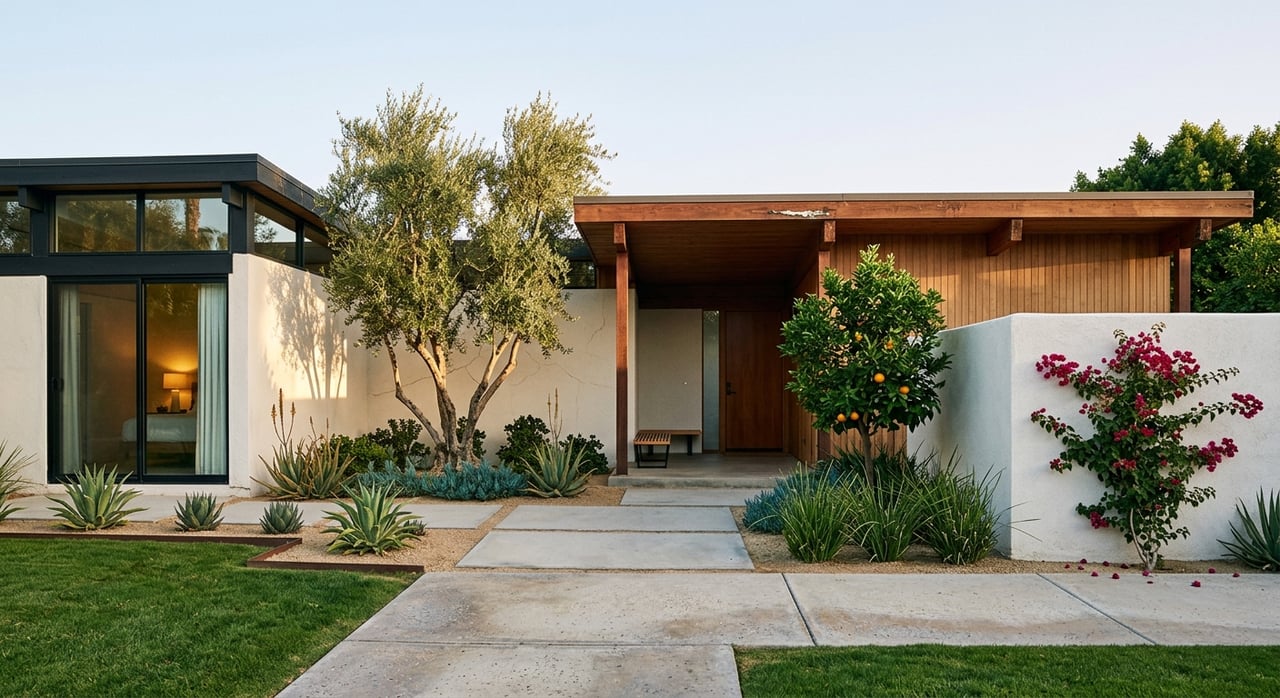
If you are drawn to Cliff May homes, you already know they are not just another ranch house. In Long Beach, these midcentury properties attract buyers and sellers who care about design, light, privacy, and the way indoor and outdoor spaces work together. Whether you are hoping to buy one or preparing to sell, understanding how this niche market works can help you make smarter decisions. Let’s dive in.
Where Long Beach Cliff May Homes Are
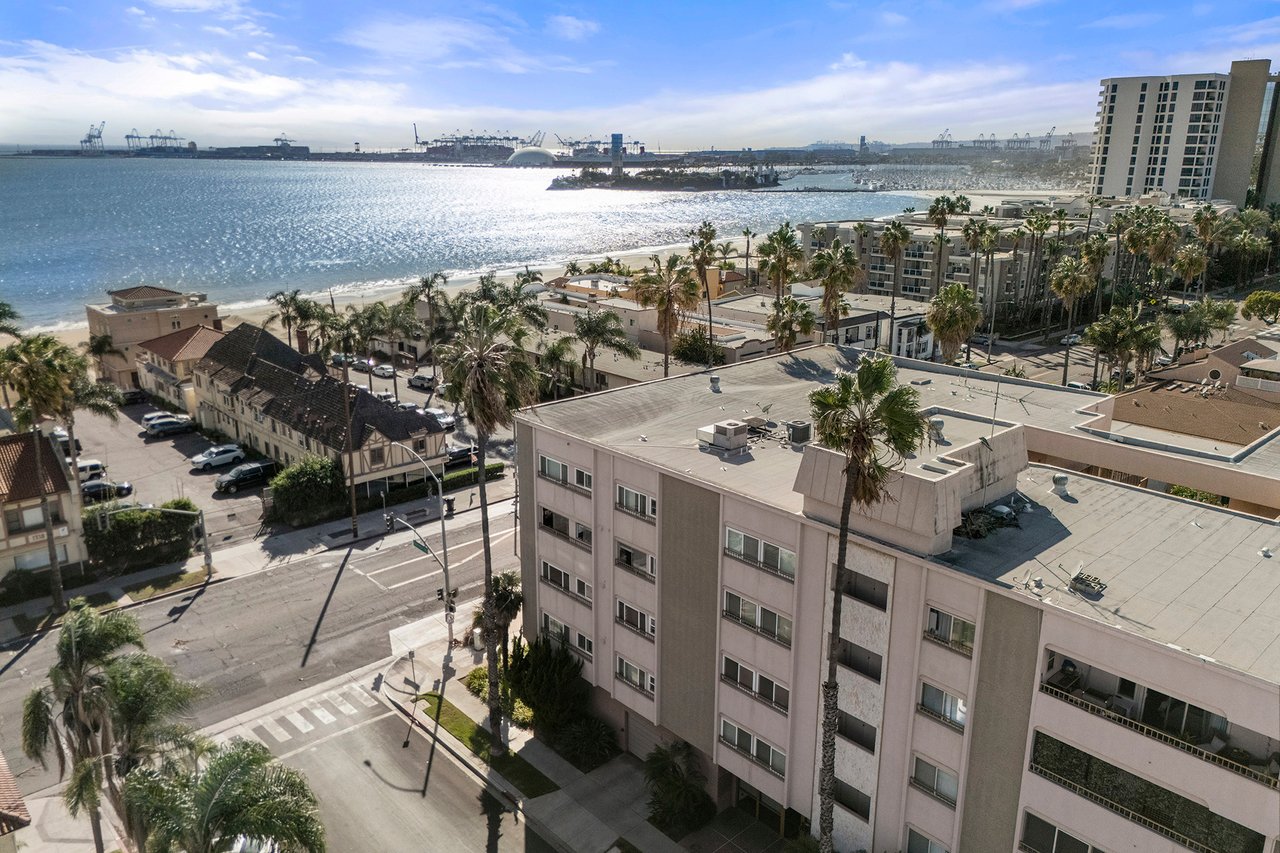
One of the most important things to know is that Long Beach Cliff May homes are generally associated with Lakewood Rancho Estates in ZIP code 90808, not the Marina district. The City of Long Beach identifies Lakewood Rancho Estates under PD-11, while Long Beach Marina is listed separately as PD-4 under the city’s zoning framework. That means Cliff May homes in Long Beach should be treated as a distinct submarket rather than grouped with Marina homes broadly. You can review the city’s residential development standards for that zoning context.
The tract is widely described as having roughly 600 to 700 homes built in 1953 and 1954 by Cliff May and Chris Choate. That limited supply is part of what makes these homes stand out today. In a market where many buyers want character, originality, and architectural pedigree, scarcity matters.
What Makes Cliff May Homes Special
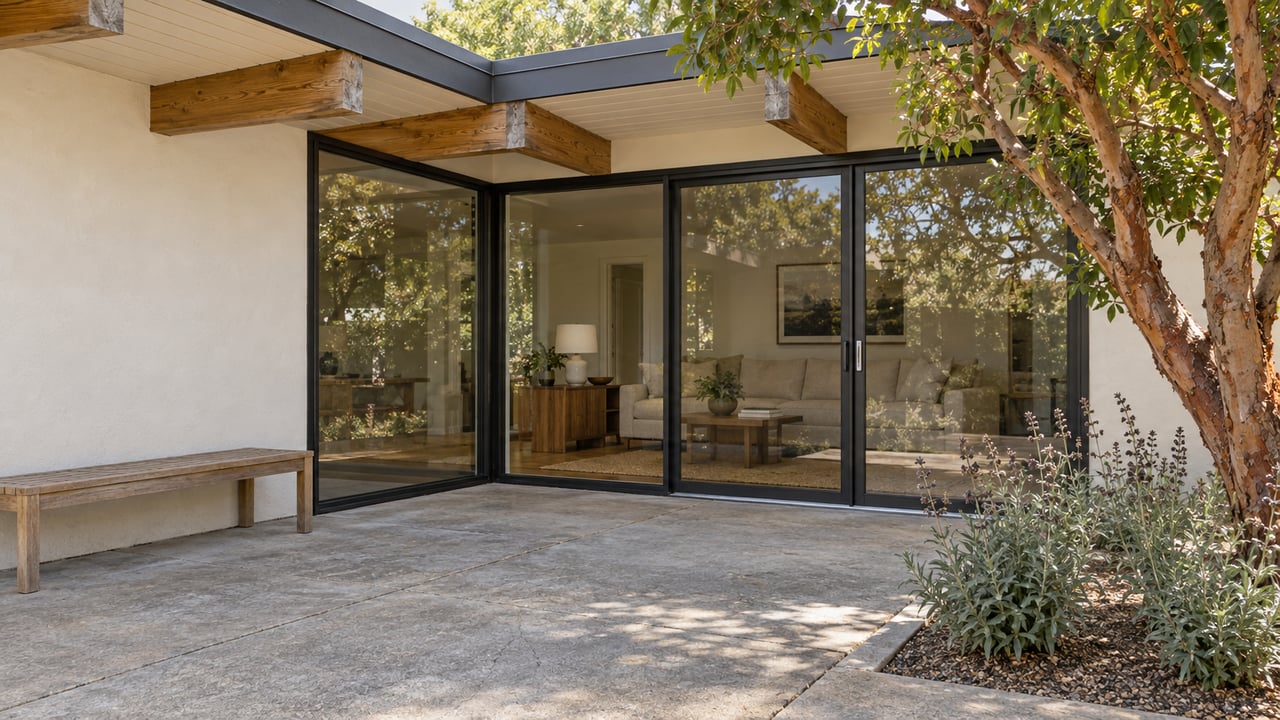
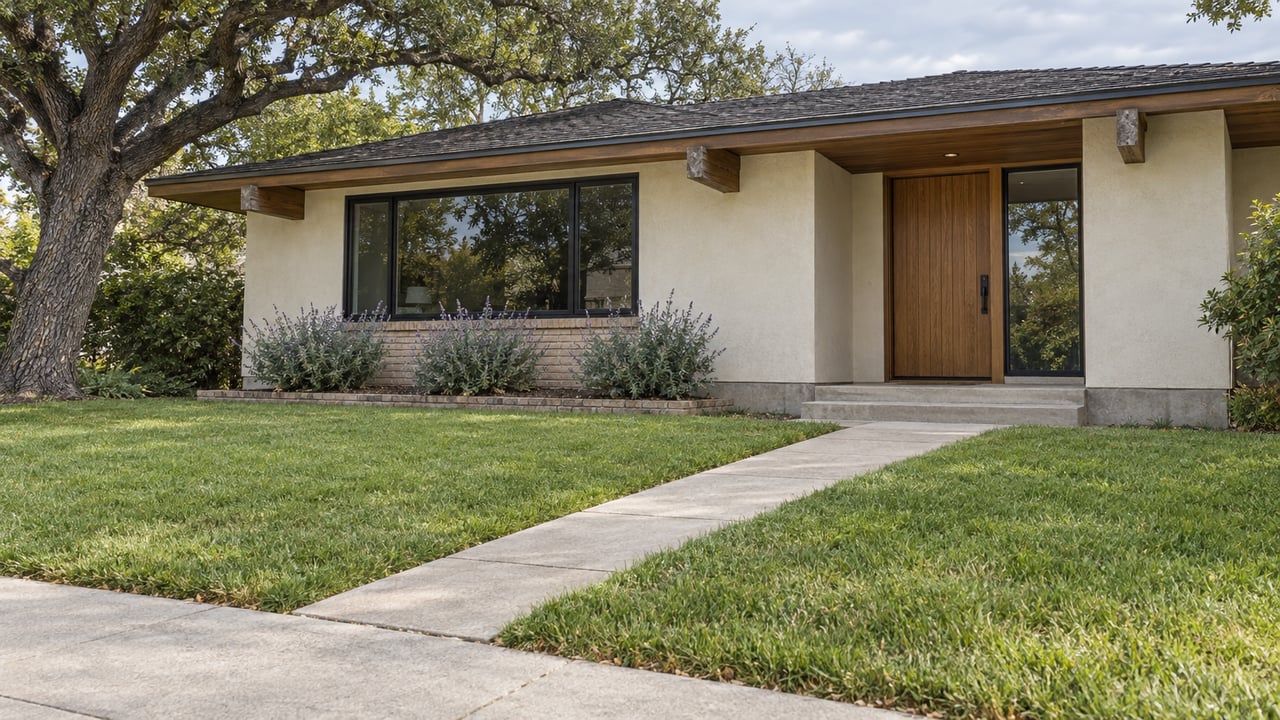
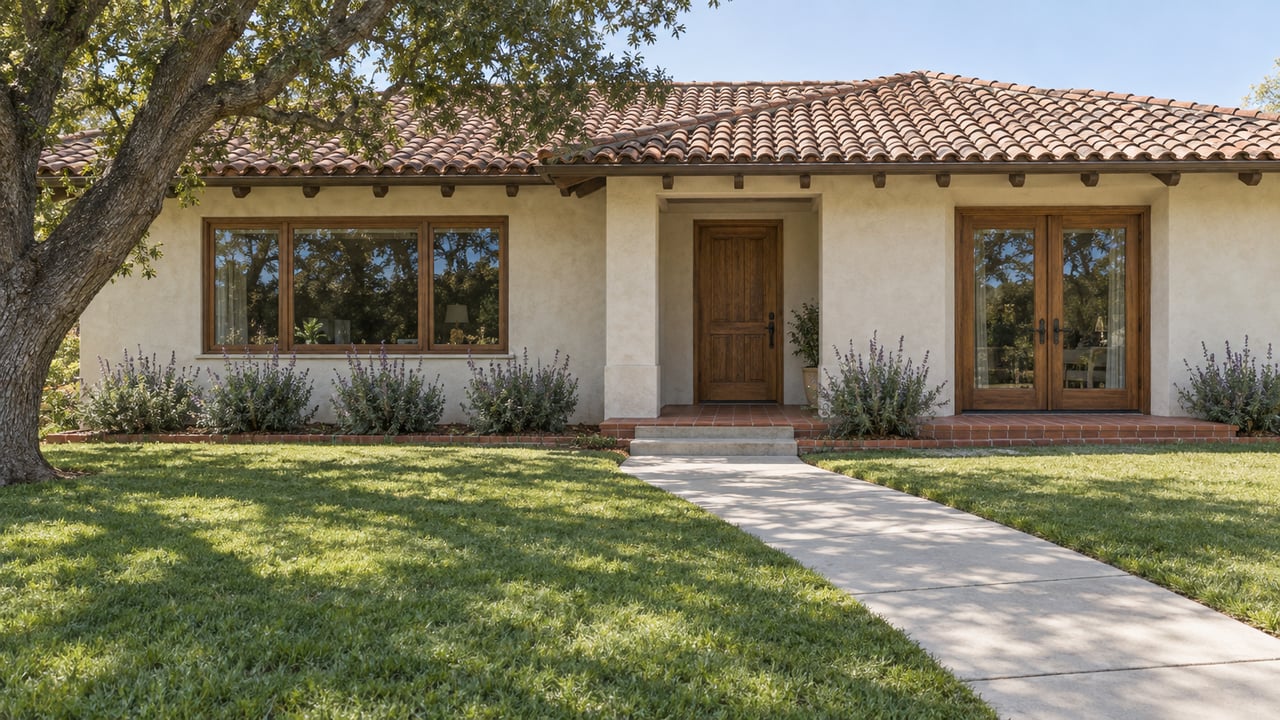
Cliff May homes in Long Beach are known for a very specific architectural language. Most are one-story ranch homes, often in L-shaped three- or four-bedroom layouts, with shallow gabled roofs, clerestory windows, and board-and-batten siding. Preservation sources also note signature details like post-and-beam construction, open floor plans, tongue-and-groove ceilings, and glass walls or doors that open directly to patios.
That design creates one of the biggest draws for buyers: indoor-outdoor living that feels intentional, not added later. The Los Angeles Conservancy’s overview of Rancho Estates highlights how these homes use courtyards, patios, and setbacks to create privacy and a strong connection to outdoor space. The City’s zoning ordinance also reinforces that the front-yard area functions as private open space, which is a defining part of the neighborhood’s design character.
Why Buyers Value Them Differently
These homes were originally built for middle-class buyers, not the luxury market. According to the City of Long Beach historic context statement, they sold for about $11,000 when new. Today, their value is often tied less to square footage alone and more to design significance, condition, and how well original character has been preserved.
That is an important mindset shift if you are buying. A Cliff May home may compete with larger or more recently updated properties on paper, but buyers often place a premium on details that are hard to recreate. Original massing, preserved materials, courtyard flow, and sympathetic updates can all shape value in a way that standard tract-home comparisons may miss.
Long Beach Market Trends to Watch
If you are trying to understand pricing, it helps to look at both the citywide market and the more relevant 90808 ZIP code. As of February 2026, Redfin reported a Long Beach median sale price of $825,000 with 59 median days on market, while ZIP code 90808 showed a $1.05 million median sale price, 41 days on market, and a 100.6% sale-to-list ratio. Redfin also characterized 90808 as very competitive.
That does not mean every 90808 home is a Cliff May home, and it should not be treated as a direct Cliff May comp set. Still, it is a useful proxy because Rancho Estates sits within that ZIP code. The pricing gap between Long Beach overall and 90808 suggests that buyers are often willing to pay more for this area, and the architectural identity of Rancho Estates likely contributes to that demand.
How Cliff May Homes Appraise
Appraisals can be one of the trickiest parts of buying or selling a Cliff May home. According to Fannie Mae’s comparable sales guidance, appraisers should use sales that are physically and legally similar and ideally located in the same market area. When truly comparable properties are limited, they may need to use older sales or sales from competing market areas, with explanation.
For a design-driven housing niche like Rancho Estates, that matters a lot. FHFA guidance referenced in the research notes that unique property characteristics can affect how many comps appear in an appraisal. In practical terms, originality, condition, permit history, and proximity to other architectural comparables can all influence value conclusions.
What Buyers Should Inspect Closely
Buying a Cliff May home means looking beyond cosmetic appeal. Because these houses rely so heavily on wood, glass, and courtyard-oriented living, your inspection process should pay close attention to the systems and materials tied to that design.
Key areas to review include:
- Roof condition
- Window and door performance
- Wood siding and trim
- Drainage around patios and courtyards
These priorities are informed by the homes’ documented construction and layout. With so much emphasis on glazing, exterior wood elements, and outdoor rooms, deferred maintenance in these areas can affect both comfort and long-term upkeep.
What Buyers Should Ask About Changes
Not every remodel improves a Cliff May home. If you are considering a purchase, ask whether past updates preserved the original massing, materials, and relationship between the home and its courtyard. A house may still carry the Cliff May name, but buyers often care whether it still reads like one in form and feel.
You should also ask about permit history, especially for changes involving exterior walls, openings, roofs, fencing, or additions. Those are the areas most likely to alter architectural character or trigger review requirements. Clear documentation can help you understand what was changed and whether the work aligns with local rules.
What Sellers Need to Know First
If you are selling a Cliff May home, preparation starts with understanding the property’s design story and regulatory context. In Rancho Estates, the PD-11 ordinance prohibits second-story additions and demolition of residential structures and limits building height to 13 feet or one story. You can see those standards in the city’s PD-11 ordinance materials.
Those restrictions help preserve the district’s one-story, indoor-outdoor character. They also shape buyer expectations. A buyer looking at a Cliff May home is often responding to the neighborhood as a whole, not just the individual property.
When Historic Review May Apply
If a property is in a historic district or designated landmark elsewhere in Long Beach, exterior work may require a Certificate of Appropriateness before work begins, even when a building permit is not required. The City of Long Beach specifically lists items such as window and door changes, repairs, additions, repainting, re-roofing, and solar panel installations among common review items. You can confirm those requirements through the city’s Certificate of Appropriateness page.
Interior-only work and ordinary maintenance do not require historic review, but sellers should still verify what applies before starting work. If you are planning improvements before listing, checking this early can help you avoid delays and protect the home’s marketability.
How Sellers Can Position a Cliff May Home
Generic marketing often misses what makes these homes valuable. Buyers in this niche usually want more than bedroom counts and lot size. They respond to architectural features, original details, and the quality of updates.
The most effective seller materials often include:
- Floor plans that show the courtyard-centered layout
- Strong photography of patios, courtyards, and indoor-outdoor connections
- Clear notes on original features and thoughtful updates
- Permit history for major work
- A simple explanation of what is original versus renovated
This type of presentation helps buyers understand the home as a design object as well as a place to live. It also supports stronger pricing by showing why the property differs from a more typical ranch home.
Preservation Can Support Value
Long Beach Heritage notes that Cliff May homes tend to be especially valued when original elements remain intact or when updates respect the midcentury design. In one Rancho Estates tour example, the home retained a spacious private courtyard, pool, and outdoor entertaining area while still feeling updated for modern living.
That balance matters. Buyers are often not looking for a time capsule or a total reinvention. They want a home that works for today while still honoring the qualities that made the architecture significant in the first place.
What This Means for Buyers and Sellers
Cliff May homes in Long Beach do not trade like standard tract housing. They operate more like a small, design-sensitive market where architecture, preservation, and presentation all play an outsized role. Limited inventory, strong buyer interest, and the importance of comparable sales can create both opportunity and complexity.
If you are buying, focus on authenticity, condition, and documentation. If you are selling, invest in thoughtful preparation and clear architectural storytelling. In both cases, working with someone who understands design provenance and how to present a niche property can make a real difference. If you are thinking about buying or selling a Cliff May home in Long Beach, connect with Kelly Laule for design-aware guidance and boutique-level support.
FAQs
What area in Long Beach has the most Cliff May homes?
- The main Cliff May tract in Long Beach is Lakewood Rancho Estates in ZIP code 90808, which the City of Long Beach treats separately from the Marina district in its zoning framework.
What features define a Long Beach Cliff May home?
- Common features include one-story ranch layouts, shallow gabled roofs, clerestory windows, board-and-batten siding, post-and-beam construction, open floor plans, and strong indoor-outdoor connections through courtyards and patios.
What should buyers inspect in a Long Beach Cliff May home?
- Buyers should pay close attention to roof condition, window and door performance, wood siding and trim, and drainage around patios or courtyards.
What restrictions apply to Cliff May homes in Rancho Estates?
- In PD-11, second-story additions and demolition of residential structures are prohibited, and building height is capped at 13 feet or one story.
What helps a Long Beach Cliff May home sell well?
- Strong presentation usually includes architectural photography, floor plans, documentation of original features and updates, and permit history that helps buyers understand the home’s design integrity.