Walk any street in Washington Square on a Sunday afternoon and you'll pass more neighbors who wave than neighbors who don't. Ask around and you'll hear about the Spring Wine Garden, the Fourth of July bike parade, the chili cook-off, the home tour. What you won't find, anywhere inside the neighborhood's own boundary, is a park.
That's the part that doesn't add up at first. Santa Ana neighborhoods with this kind of cohesion usually have a green anchor: a shared lawn, a playground, some patch of grass that gives people a reason to bump into each other without trying. Washington Square has none of that. Riverview Park, with its trails, basketball courts and playground, sits about a mile from most homes here, close enough for a walk but far enough that it's a destination, not a backyard. So the closeness people describe isn't happening by accident of geography. It's being built on purpose, on a schedule, by volunteers who decided decades ago that if the neighborhood wasn't going to get a park, it would get a calendar instead.
The Streets Do a Lot of the Work
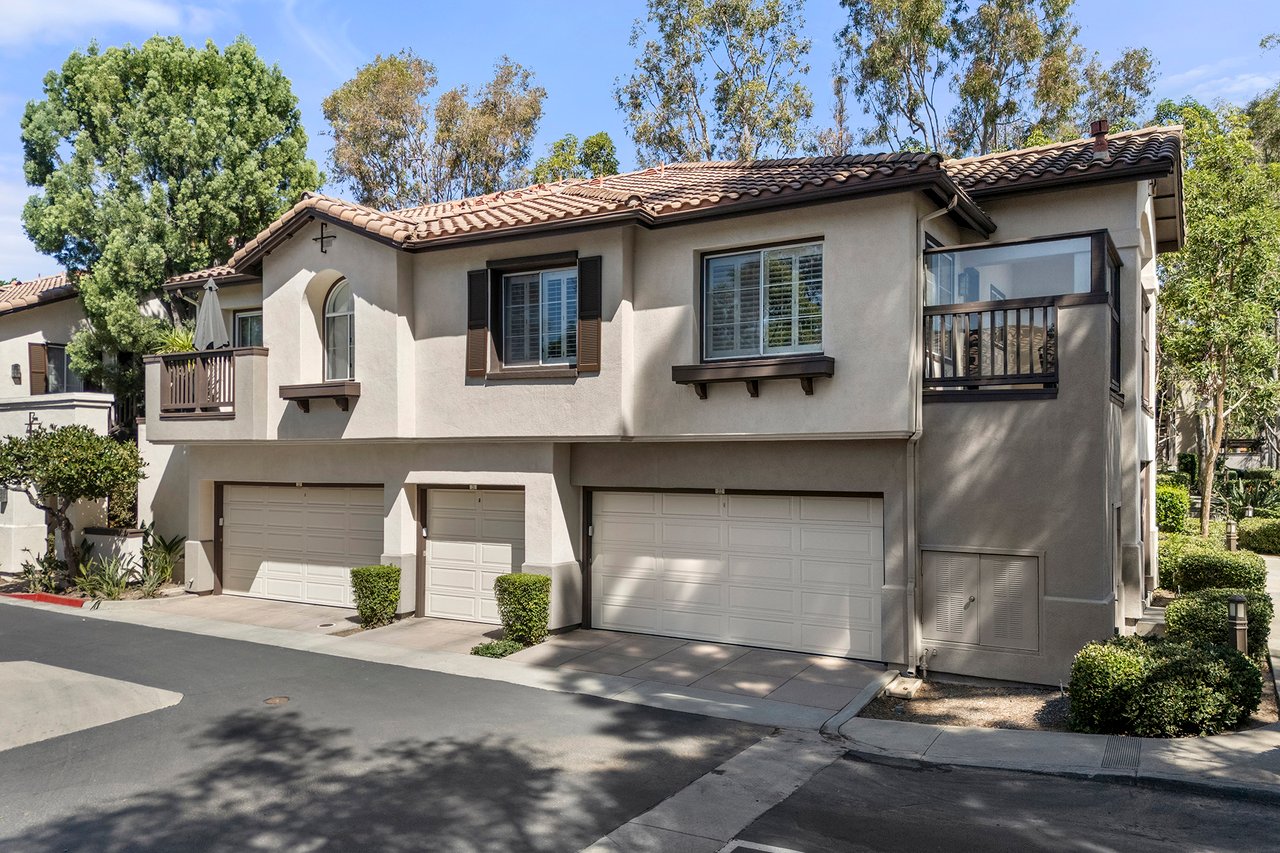
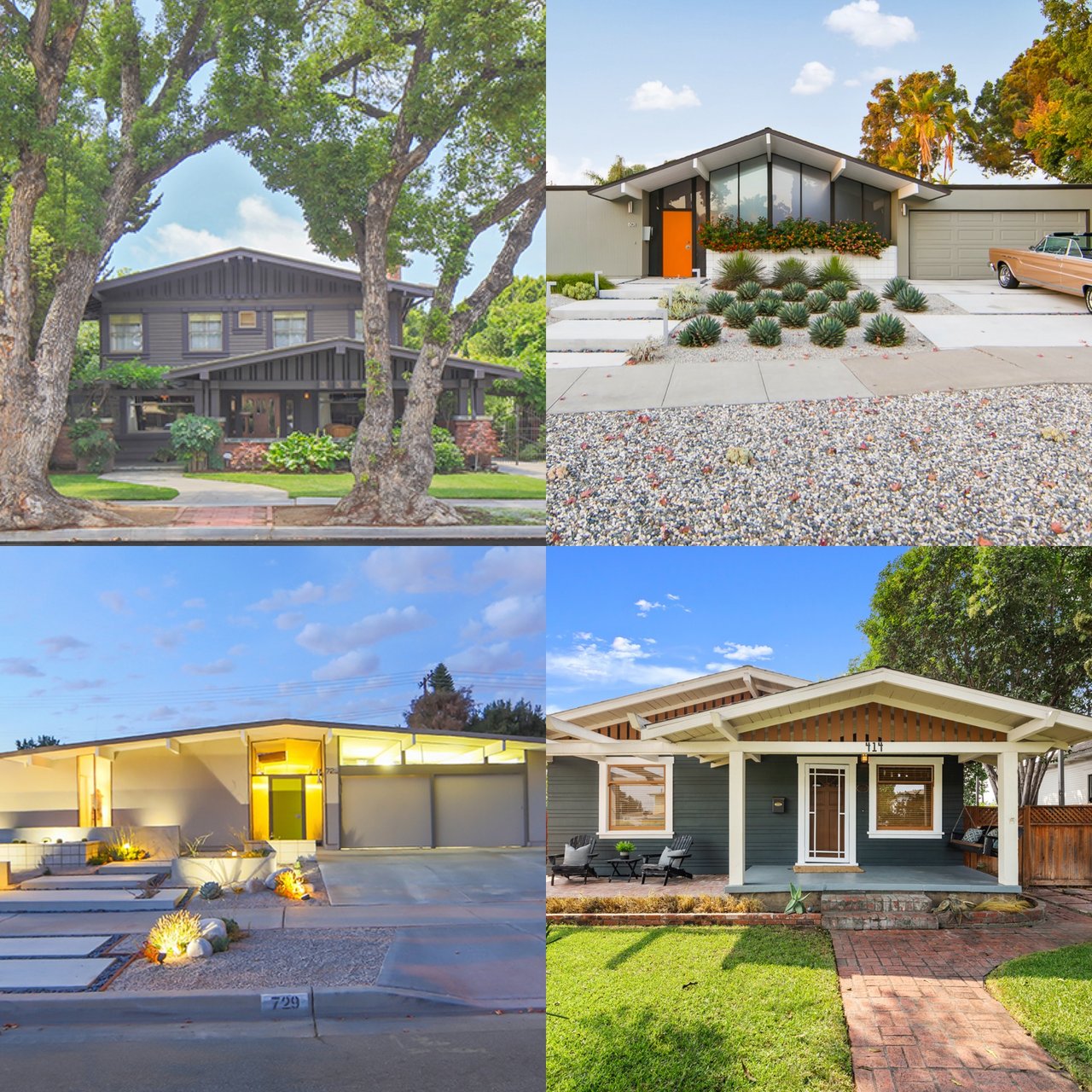
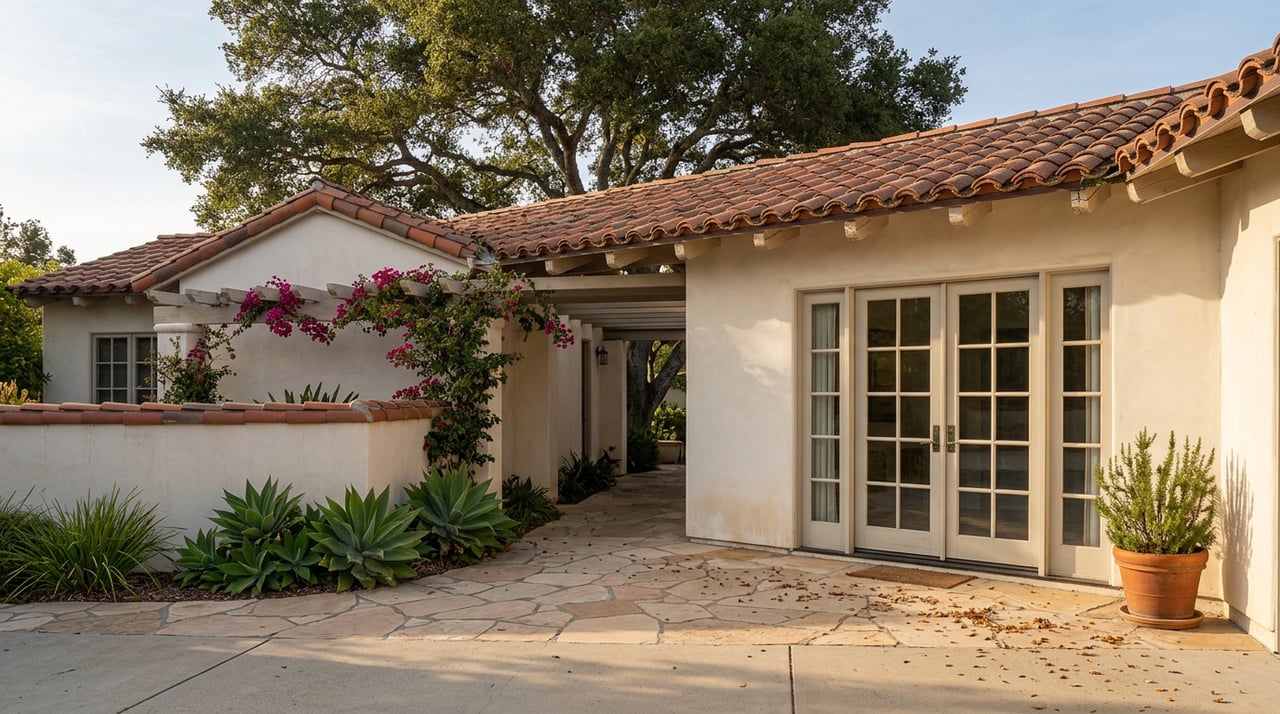
Before the schedule, there's the shape of the place. Washington Square sits in northwestern Santa Ana on wide, tree-lined streets, planted originally over what used to be orange and avocado groves. Some of those original trees are still standing in residents' yards, older than the houses that eventually went up around them. The homes themselves run bungalow, Spanish-style, and ranch, many pushing a century old, with the kind of deep eaves and front-facing windows that later qualified some of them for the Mills Act's historic preservation program.
None of that is a park. It's a setting. Streets wide enough to walk two abreast, canopy tall enough to shade a summer afternoon, a Walk Score of 73 that gets people to downtown Santa Ana on foot instead of by car. What it produces is proximity without a plaza. People are close enough to see each other, but there's no single spot that pulls everyone toward it the way a park would. That gap is where the neighborhood association goes to work.
A Calendar Built to Do a Park's Job
The Washington Square Neighborhood Association runs a full year of recurring events, all of them staffed by volunteers, none of them requiring membership to attend. The lineup, in roughly the order it unfolds:
- Spring Wine Garden — a neighborhood potluck where residents bring dishes to pair with pours from the Orange County Wine Society
- Fourth of July bike parade — kids decorate their bikes and ride the route together
- Chili cook-off — a competitive cooking event that doubles as a block-wide dinner
- Movie nights — outdoor screenings through the warmer months
- Neighborhood cleanups — organized work days on the public right-of-way
- Holiday parties — the winter closer to the year's rotation
- An annual home tour — a walk-through of the neighborhood's historic housing stock
According to the association, more than six in ten households in Washington Square turn out for at least one of these events every year. That's a high number for any volunteer-run civic group, most of which survive on a core of a dozen people while the rest of the block waves from the porch. The reason this one clears that bar so consistently is structural: without a park absorbing casual encounters, the association had to manufacture the occasions itself, and it did that by giving the neighborhood something to look forward to on a fixed date rather than something to stumble into on a walk.
The Washington Square Neighborhood Association describes itself simply as a "Neighborhood With Pride," and in 2025 it marked 40 years running these programs. That makes this year the association's 41st, which is worth sitting with for a second. Four decades of the same wine garden, the same bike parade, the same cook-off, run continuously by whoever happened to be on the board that year. A park doesn't need that kind of institutional memory to keep functioning. A calendar does.
People who've lived here long enough to marry into it describe the effect less as living near their neighbors and more as being absorbed into something that was already running before they arrived. That's the texture a park can't manufacture. A shared green space gives you proximity. A shared calendar gives you a role.
Where the Meetings Actually Happen
The association's governance runs on the same fixed rhythm as its parties. General meetings are held quarterly, on the second Thursday of the month, at Heroes Elementary School. Board meetings happen monthly, on the first Wednesday, according to the City of Santa Ana's neighborhood page. If the group is holding to that pattern this year, the next general meeting lands on Thursday, October 8, 2026, with a board meeting the Wednesday before, on October 7. Anyone in the neighborhood is welcome regardless of membership status, and the association has added a text alert program alongside its usual email and social channels specifically so residents don't have to join formally just to find out what's coming up.
That access matters more than it sounds like it should. A park doesn't require you to opt in. You just walk to it. A meeting-driven association does require a small amount of intention: showing up on the right Thursday, watching for the right post. The tradeoff is that the events themselves end up more organized and better attended than the loose, spontaneous gatherings a park tends to produce. Fewer accidental hellos, more actual dinners.
What's Actually Walkable From Here
Inside the neighborhood, dining options are limited to two sit-down spots, Cortijo Cafe and El Barco, plus the fast food and retail strip along West 17th Street and the larger footprint of Bristol Marketplace nearby. That's thin by design. The neighborhood was built as residential, not commercial, which means most errands and most meals happen a short drive or a longer walk away, in downtown Santa Ana or along 17th.
What's within that walk, though, is substantial. Riverview Park for trails and basketball. The Santa Ana River Trail for a longer bike ride. Bowers Museum, Discovery Cube, and the Santa Ana Zoo, all close enough that a Saturday can string several of them together without touching a freeway. None of that sits inside Washington Square's own footprint, which is the same story the park situation told: the neighborhood doesn't try to contain everything a resident might want. It sits close to all of it and relies on its own calendar to hold the actual community together.
Why the Absence Is the Point
It would be easy to read the missing park as a gap, something the neighborhood lacks that its neighbors compensate for. That framing gets the causality backward. The wine garden, the bike parade, the cook-off, the home tour, the quarterly meetings at Heroes Elementary, none of that exists because there's no park. It exists because forty-one years ago, a group of residents decided that a shared calendar could do what a shared lawn does elsewhere, and then they kept doing it long enough that it became the neighborhood's actual infrastructure. The park was never coming. The wine garden was the plan all along.
If you already live on one of these streets, that's worth knowing the next time the association's newsletter shows up. The bike parade and the cook-off aren't nostalgia acts left over from an earlier version of the neighborhood. They're the current version, still running the same schedule that's been running since the 1980s, still doing the job a park would do somewhere else.
If you're the kind of person who reads a piece like this and starts wondering what a place like Washington Square is actually worth, or how its market compares to the historic districts around it, that's a different conversation, and one Better Living SoCal is glad to have. For now, mark October 8 on the calendar, or just watch for the next text alert.